
Solar Radiation
PAR Sensor
Continuous PAR Measurement Made Easy
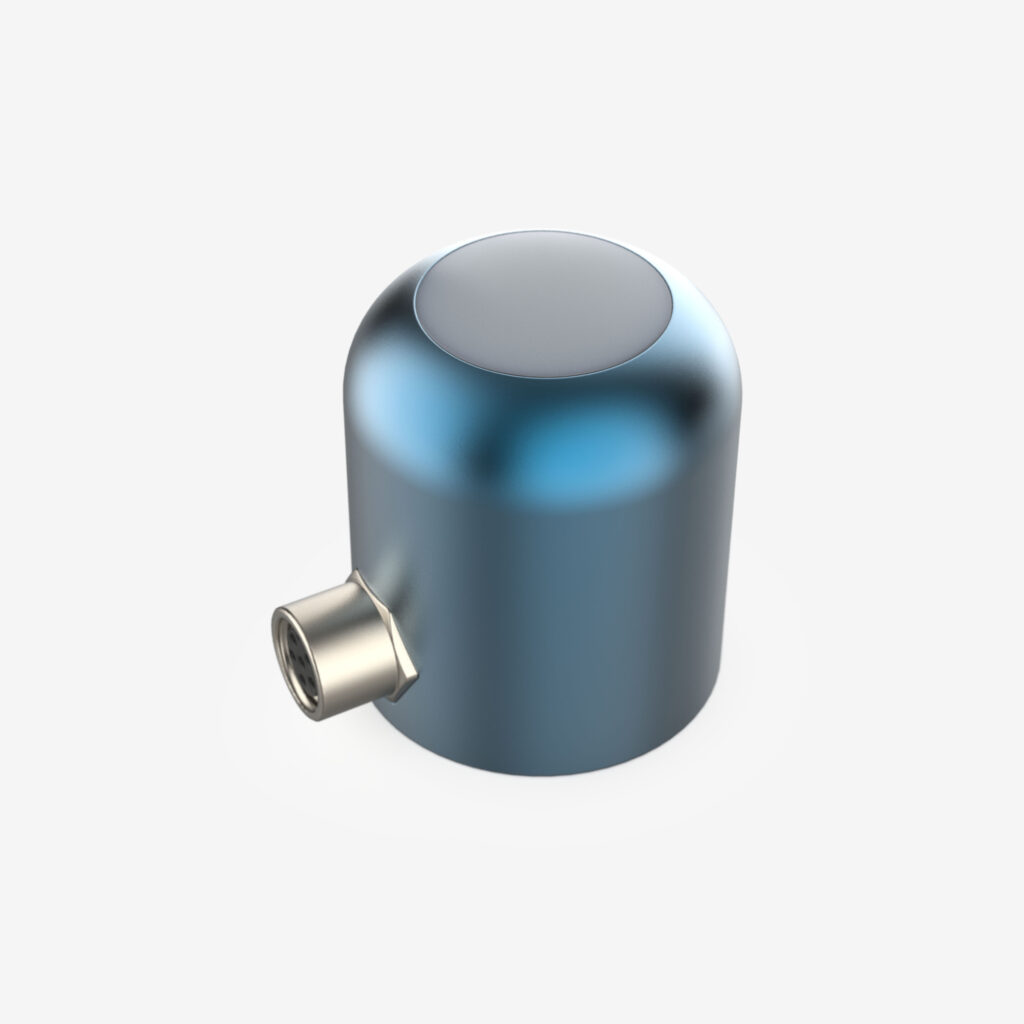
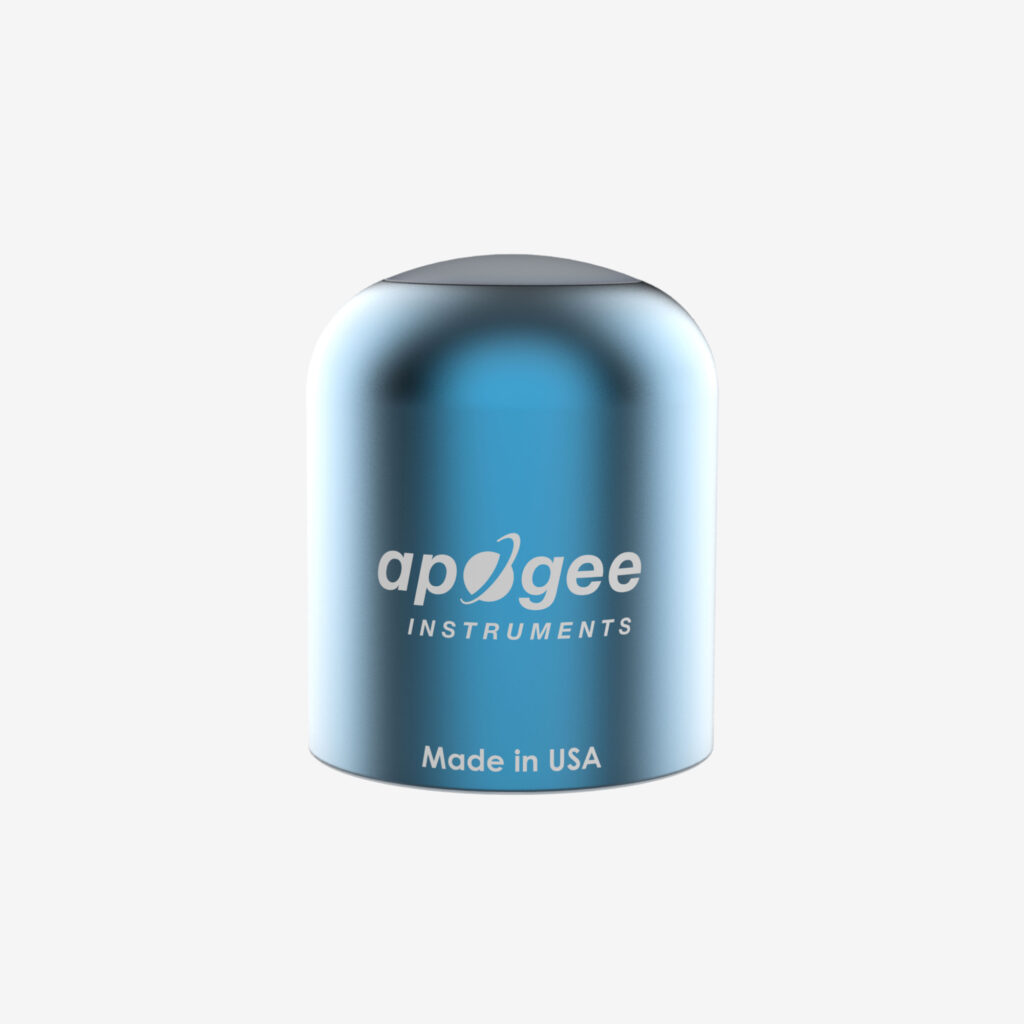
The SQ-521 PAR Sensor provides accurate and cost-effective measurement of photosynthetically active radiation (PAR) from all light sources used to grow plants.
- High-quality photosynthetically active radiation (PAR) measurements
- Easy setup. Easy data access.
- Accurate and cost-effective measurements
Measure photosynthetically active radiation (PAR)
Get accurate and cost-effective measurement of photosynthetically active radiation (PAR) from all light sources used to grow plants.
Use it absolutely everywhere
The SQ-521 is a full-spectrum quantum sensor that measures the Photosynthetic Photon Flux Density (PPFD) in μmol m-2 s-1 from a field of view of 180 degrees. Get superior, continuous PPFD measurements over plant canopies in outdoor environments, greenhouses, and growth chambers, and reflected or under-canopy (transmitted) measurements in the same environments.
Best full-spectrum sensor on the market
The SQ-521 PAR Sensor is so accurate, it’s considered the best sensor on the market for difficult-to-measure indoor environments. It has an incredible spectral range of 389 to 692 nm ± 5 nm, which means superior performance under variable sky conditions and increased accuracy under LED and other artificial light sources. Sensors are cosine-corrected to maintain their accuracy even when radiation comes from low zenith angles. Each sensor is carefully pre-calibrated for all light sources in controlled conditions and traceable to NIST reference standards.
Rugged, self-cleaning housing
The SQ-521 PAR Sensor is designed with a patented domed-shaped sensor head (diffuser and body) to facilitate runoff of dew and rain. This keeps the sensor clean and minimizes errors caused by dust blocking the radiation path. Sensors are housed in a rugged anodized aluminum body, plus each sensor comes with a special mounting bracket and leveling plate.
Easy setup. Easy data access.
The simple-to-set-up SQ-521 is plug and play with the ZL6 data logger, which self-identifies each sensor and includes a tilt sensor so you can see remotely if your quantum sensor is off level. Get instant and continuous data from the cloud wherever you are. See your data on computer, tablet or smartphone.
Quality—guaranteed
If you need high-quality, continuous PAR measurements over the long term, the rugged SQ-521 PAR Sensor has got you covered. It’s backed by an industry-leading four-year warranty and is considered a standard for simple, accurate indoor/outdoor PAR measurements. Plus, it’s compatible with ZENTRA Cloud for easy remote data access, so you can see your data anywhere, anytime.
Measurement Specifications
Calibration uncertainty
± 5% (see calibration traceability below)
Measurement range
0 to 4000 µmol m-2 s-1
Measurement repeatability
Less than 1% (Up to 5000 µmol m-2s-1)
Long-term drift (nonstability)
Less than 2% per year
Response time
0.6s, time for detector signal to reach 95% following a step change; fastest data transmission rate for SDI-12 circuitry is 1 s
Field of view
180°
Spectral range
389 to 692 nm ± 5 nm (wavelengths where response is greater than 50%)
Spectral selectivity
Less than 10% from 412 to 682 ± 5 nm (see spectral response below)
Directional (Cosine) response
± 2% at 45 ° zenith angle, ± 5% at 75 ° zenith angle (see directional response below)
Azimuth error
Less than 0.5%
Tilt error
Less than 0.5%
Temperature response
-0.11 ± 0.04 % per C (See temperature response below)
Uncertainty in daily total
Less than 5%
Detector
Blue-enhanced silicon photodiode
Communication Specifications
Data logger compatibility (not exclusive)
METER Em50/50G, EM60 series, ZL6 series, ZSC
Electrical and Timing Specifications
Input voltage
5.5 to 24 V DC
Current draw
1.4 mA (quiescent), 1.8 mA (active)
Physical Specifications
Housing
Anodized aluminum body with acrylic diffuser
IP rating
IP68
Operating environment
-40 to 70 °C; 0 to 100% relative humidity; can be submerged in water up to depths of 30 m
Dimensions (serial #3033 and above)
30.5 mm diameter, 37 mm height
Dimensions (serial #0-3032)
24 mm diameter, 37 mm height
Mass (5 m cable)(serial #3033 and above)
140 g
Mass (5 m cable)(serial #0-3032)
100 g
Cable length
5 m
Cable connector types
3.5 mm stereo plug
Other
Compliance
NDVI Sensor
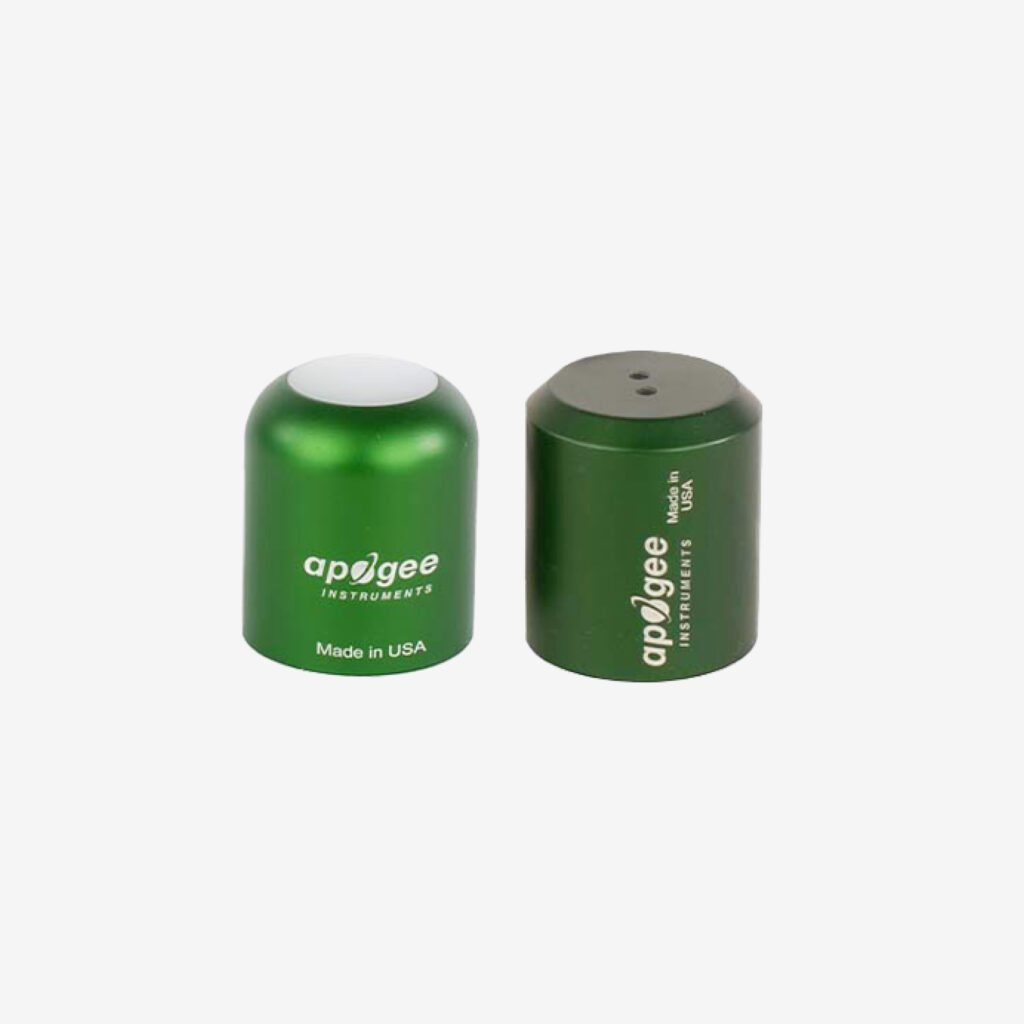
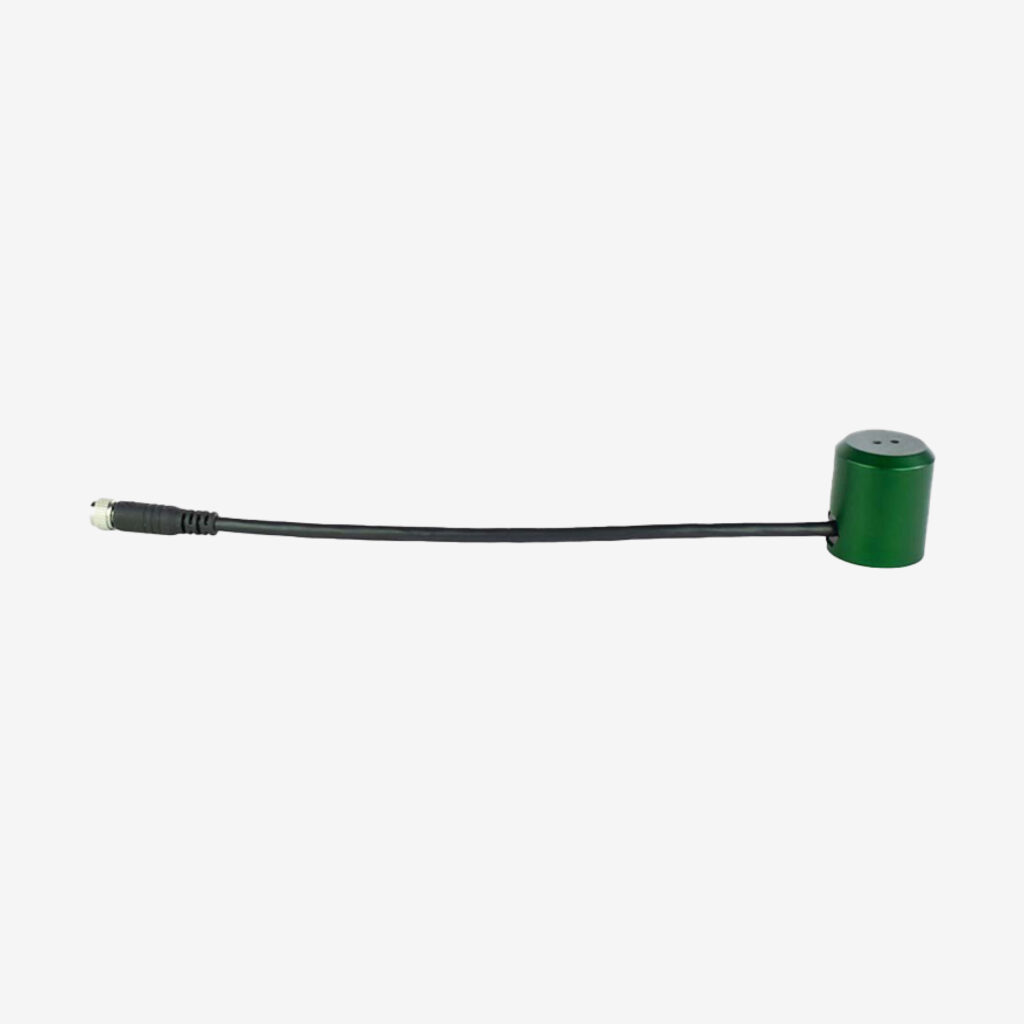
Apogee NDVI sensors combine an ultra-rugged form with sophisticated cloud data delivery for an unbeatable price-to-performance ratio.
- Continuously monitor NDVI remotely
- Built for long-term exposure to the elements
- Easy to use and low cost
Continuously monitor NDVI
At METER, we think you should spend less time on complexity and more time doing what matters. Apogee NDVI sensors are easy-to-use. And the best part? They’re pre-configured for use with the ZENTRA system, so you’re instantly up and running.
Low cost—low maintenance
By focusing on just two relevant bands, it’s possible to make an accurate multiband radiometer for a fraction of what a full-spectrum spectroradiometer costs. Apogee NDVI sensors are multiband radiometers that combine an ultra-rugged form with sophisticated cloud data delivery for an unbeatable price-to-performance ratio. They’re inexpensive enough to deploy multiple sensors simultaneously, so you can maximize spatial coverage and explore spatial and temporal variability in canopy structure and function.
Deploy for months or even years
Most spectrometers are delicate and expensive, making long-term field deployment risky. Apogee NDVI sensors are built for long-term exposure to the elements. Encased in a durable housing with an epoxy fill, they are watertight, weatherproof, and have fully sealed optics. Mount them on a fence post, tripod, or a meteorological tower. They’re rugged enough to leave in the field for an entire growing season or longer.
Field ready and radiometrically calibrated
Each sensor is radiometrically calibrated to a NIST-traceable standard. Readings are output in units of radiant flux density. Calibration information is stored on board the sensor, so you never have to worry about keeping track of calibration coefficients.
Collect data and monitor remotely
To simplify your workflow, Apogee NDVI sensors are plug-and-play with ZL6 data loggers, which means automatic sensor recognition and zero programming. ZENTRA Cloud lets you monitor remote sites in near-real time from any internet-connected device. Observe field conditions, check and configure sensor and system function, or download data from the comfort of your home or office.
Work less. Measure more.
Apogee NDVI sensors are part of a complete system of affordable, easy-to-use sensors, loggers, and software that require little maintenance and put near-real-time data at your fingertips, so you can publish more and work less.
Measurement Specifications
Calibration factor (reciprocal of sensitivity)
Custom for each sensor and stored in firmware
Calibration uncertainty
± 5 %
Wavelength ranges
Red detector = 650 nm ± 5 nm with 65 nm FWHM
NIR detector = 810 nm ± 5 nm with 65 nm FWHM
Measurement range
2x full sunlight
Measurement repeatability
Less than 1 %
Long-term drift
Less than 2 % per year
Response time
Less than 0.6 s
Field of view
180°
Directional (cosine) response
± 2 % at 45°; ± 5 % at 75° zenith angle
Temperature response
Less than 0.1 % per °C
Physical Specifications
Housing
Anodized aluminum body with acrylic window
IP rating
IP68
Operating environment
–40 to 70 °C
0 to 100 % relative humidity
Dimensions
30.5 mm diameter, 34.5 mm height
Mass (with 5 m of cable)
140 g
Cable
5 m of shielded, twisted-pair wire with TPR jacket and stainless steel connector
Communication Specifications
Data logger compatibility (not exclusive)
METER EM60 series, ZL6 series, ZSC, ProCheck, Campbell Scientific
Electrical and Timing Specifications
Power supply
5.5 to 24 V DC
Output range
SDI-12
Other
Warranty
4 years against defects in materials and workmanship
Compliance
ACCUPAR LP-80
Canopy Interception and Leaf Area Index
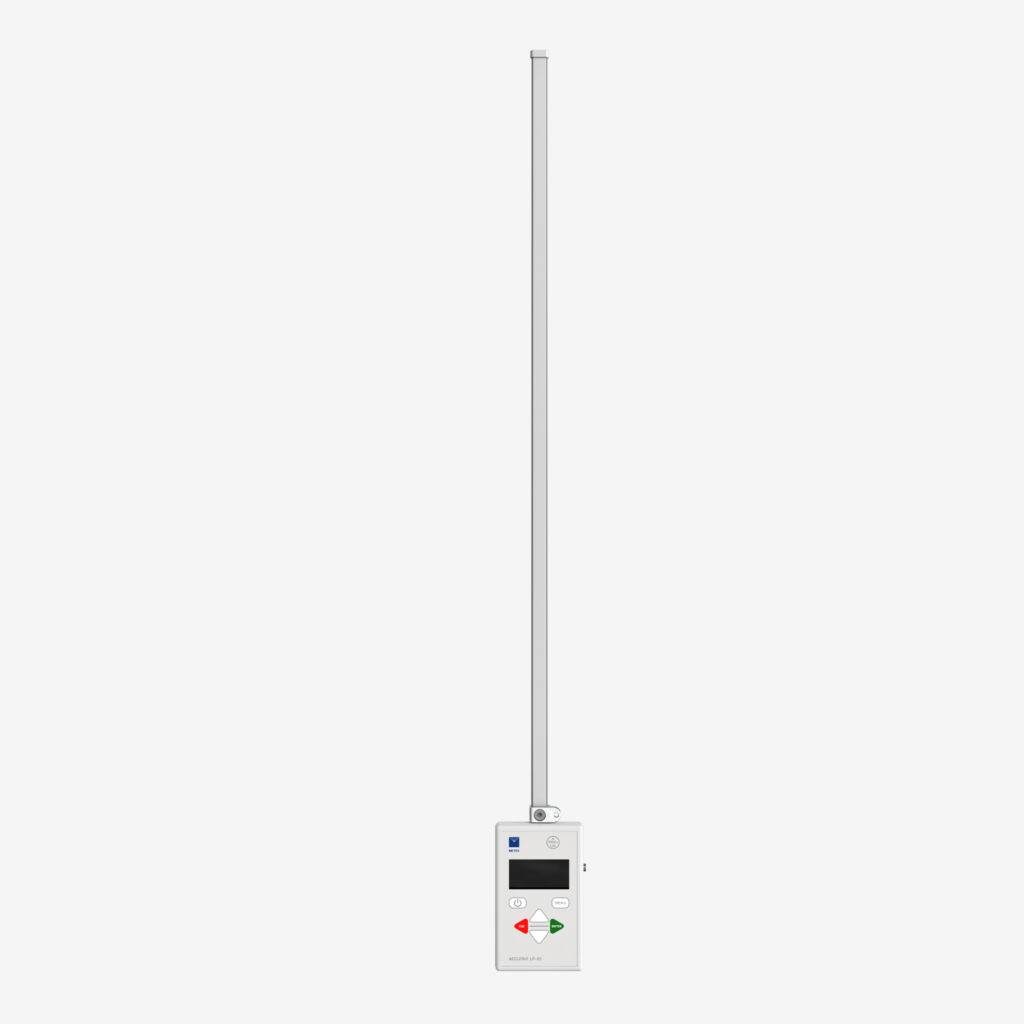
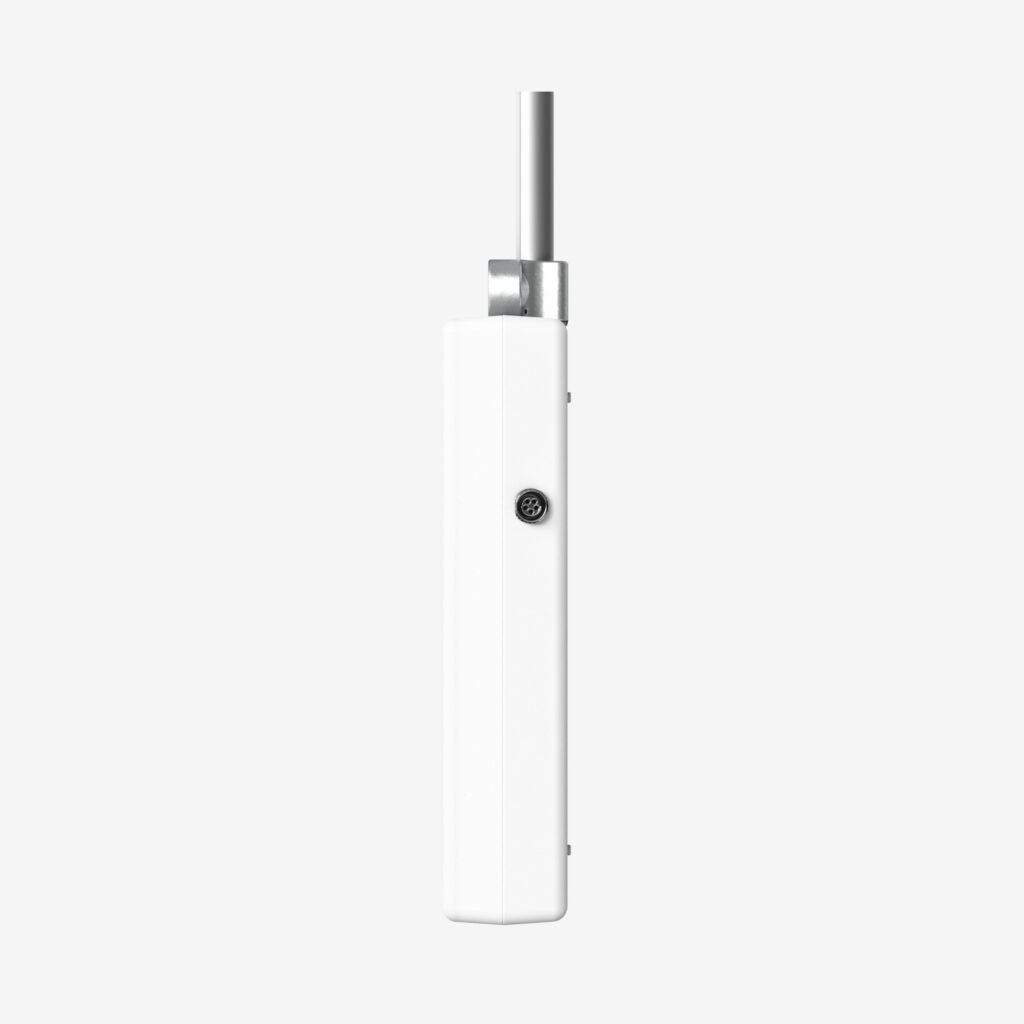
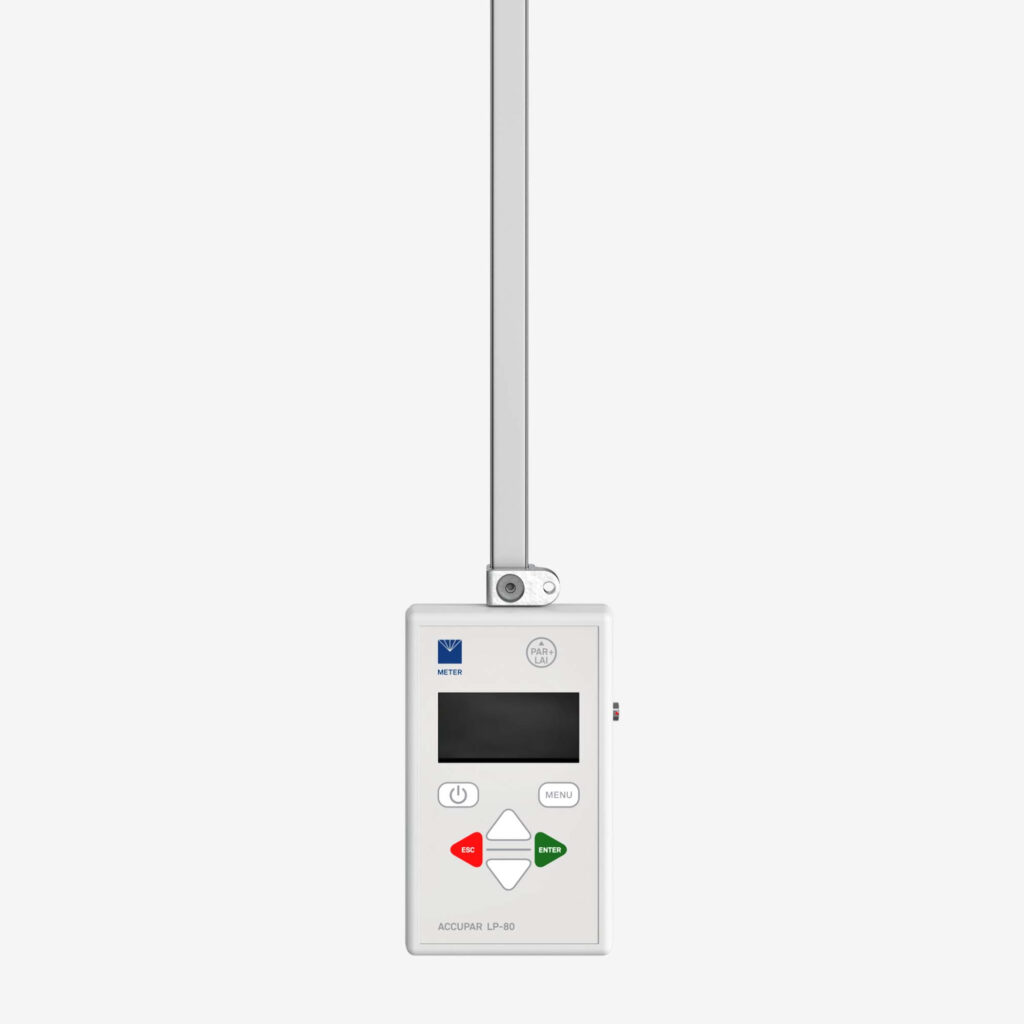

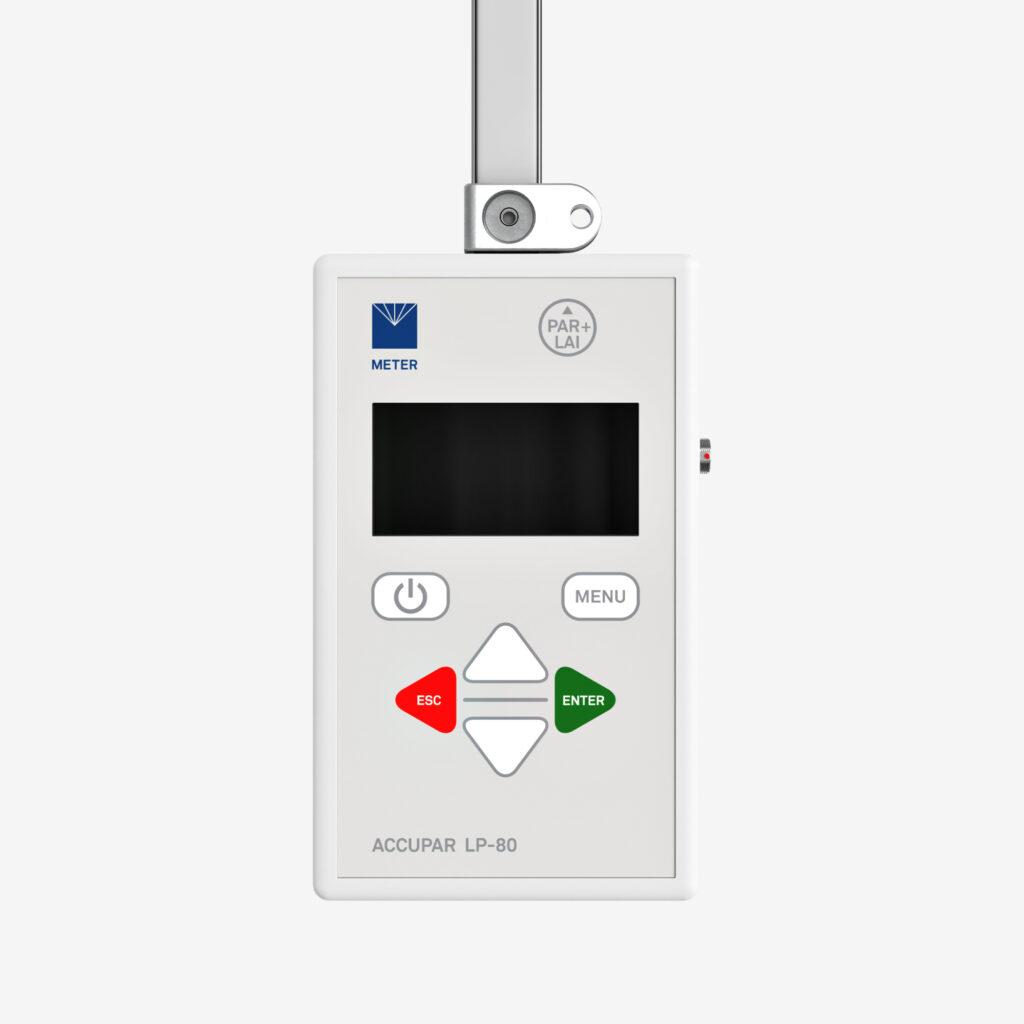
The LP-80 is a highly accurate way to determine canopy growth and canopy light interception (PAR and LAI), along with calculating fractional interception and crop coefficient.
- Measures canopy PAR transmission
- Automatically calculates Leaf Area Index in real-time
- Above-canopy sensor enables simultaneous above- and below-canopy PAR measurements
Measuring canopy density can be problematic
There are several methods to measure how much light is intercepted by a canopy in order to determine if water loss is from evaporation or transpiration. There’s the hard way. There’s the expensive way. And then there’s the smart way: the LP-80.
Rapid readings. Easy to use.
The optimal method for measuring fractional PAR (photosynthetically active radiation) is with the LP-80 Ceptometer. It’s a highly accurate way to determine canopy growth and canopy light interception, along with calculating fractional interception and crop coefficient. And because the methodology is automated, it spares you from intensive hand labor, saving you time. The LP-80’s low cost also saves your entire budget from evaporating.
Reliable results never get old
Backed by 35 years of research, the LP-80 is one of the most trusted and relied upon instruments among crop scientists, ecologists, and foresters for publishable data year after year. Why? It uses precise sun angle calculations to accurately and automatically calculate leaf area index (LAI) in real time, so you can be confident your data is right while in the field. And it includes external PAR sensor which can be used to make simultaneous above- and below-canopy PAR measurements as a reference for intercepted light in clear, partly cloudy, or even overcast sky conditions.
Accurate. Automated. Affordable.
Measure leaf area index (LAI) and fractional interception simply and accurately to estimate ET and canopy growth. A lightweight, portable, linear array of PAR sensors designed for real time, non-destructive LAI measurements, the LP-80 has you covered when it comes to reliable results, and time, labor, and cost savings.
Simplifies the measurement and the data
Rather than the painstaking 4- to 5-hour destructive method of running leaves through a conveyor belt, the LP-80 instead measures the photosynthetically active radiation that is impinging on the measurement wand. This is also a lot easier than the other time-consuming, multi-step alternative of placing a camera beneath a canopy, taking a picture with a fisheye lens and then using software for photo analysis.
LP-80 doesn’t just automate the measurement but also the data itself. Even in raw form, data are collected, stored, and can even be downloaded so you can analyze your data anywhere. This allows you to look at correlations to make sure what you saw in the field is consistent with your measurements. In addition, the attached controller can be used to take measurements manually or log data unattended for short periods of time.
The same measurements for less
The LP-80 costs less than competitor instruments that make the exact same measurements. It weighs less as well. At a little over one pound (0.5 kg), it’s not only lightweight, but smaller and self-contained, so it’s easier to carry around. And because the display is integrated with the measurement wand, you aren’t burdened by having to bring a separate instrument to read data. There aren’t any complex sets of buttons or screens to navigate either, allowing the LP-80 to provide the most value for less.
Feature summary
- Measures canopy PAR
- Automatically calculates Leaf Area Index in real-time
- Lightweight and self-contained
- Powered by four AAA batteries
- Can log data unattended for short periods of time
- Stores over 2,000 readings for later download and analysis
- Above-canopy sensor enables simultaneous above- and below-canopy PAR measurements
Measurement Specifications
Probe PAR Sensors
Range: 0.0 – 2500.0 μmol/(m2s)
Resolution: 1.0 μmol/(m2s)
External PAR Sensor
Range: 0 to 4,000 μmol/(m2s) (full sunlight ~2,000 μmol/[m2s])
Resolution: 1.0 μmol/(m2s)
Accuracy: ±5.0 %
Unattended Logging Interval
Between 1 and 60 min (user selectable)
Physical Specifications
Computer Interface
Locking 5-pin sealed circular connector to RS-232 cable
Controller
Length: 15.8 cm (6.20 in)
Width: 9.5 cm (3.75 in)
Height: 3.3 cm (1.30 in)
Weight: 0.6 kg (1.21 lb) with batteries
External PAR Sensor
Locking 5-pin sealed circular connector on 5-m cable
External Sensor Dimensions
Diameter: 24.0 mm (0.94 in)
Height: 27.0 mm (1.06 in)
Probe Dimensions
Length: 86.5 cm (34.06 in)
Width: 19.0 mm (0.75 in)
Height: 9.5 mm (0.38 in)
Probe Sensors
Number: 80
Type: Photosynthetically active radiation sensor
External Sensor
Number: 1
Type: Apogee SQ110 photosynthetically active radiation sensor
Data Storage
1 MB flash memory
Operating Temperature Range
Minimum: 0 °C
Maximum: 50 °C
Operating Relative Humidity Range
Minimum: 0 %
Maximum: 100 %
Power
4 AA batteries, included
Other
Compliance
EM ISO/IEC 17050:2010 (CE Mark)
GSA