
MARINE SEISMIC
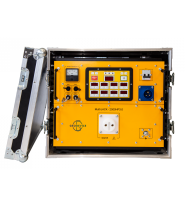
Energy sources MultiJack
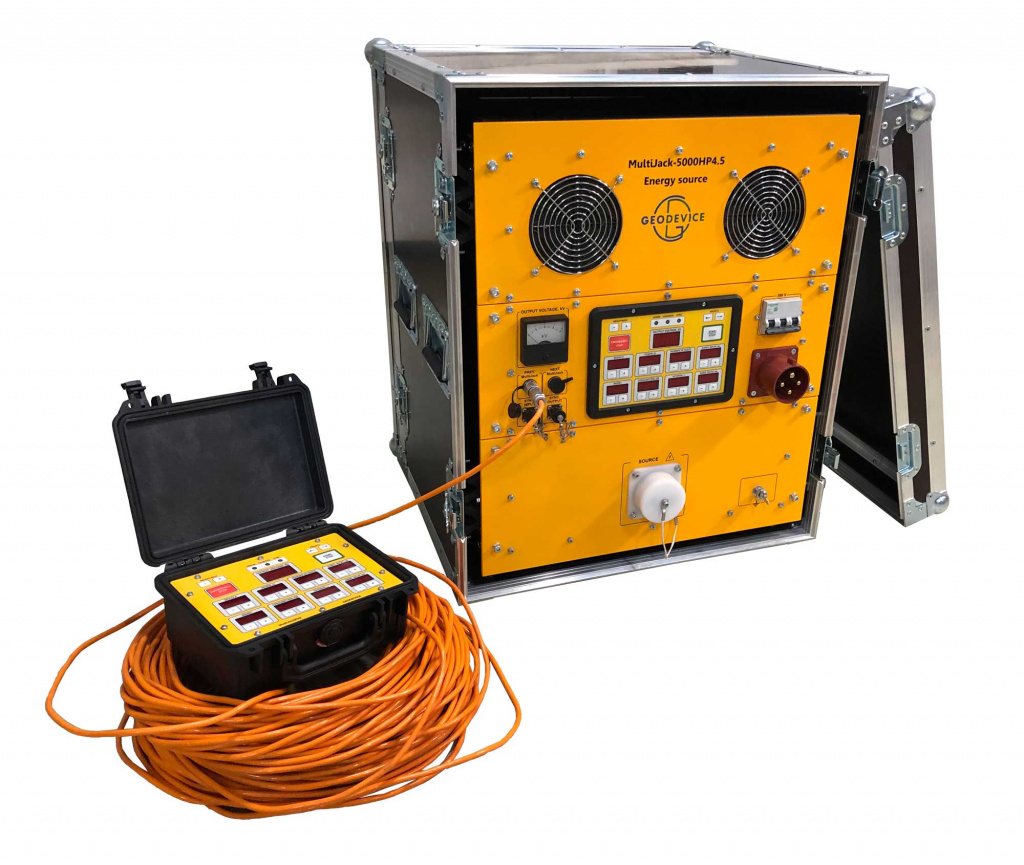
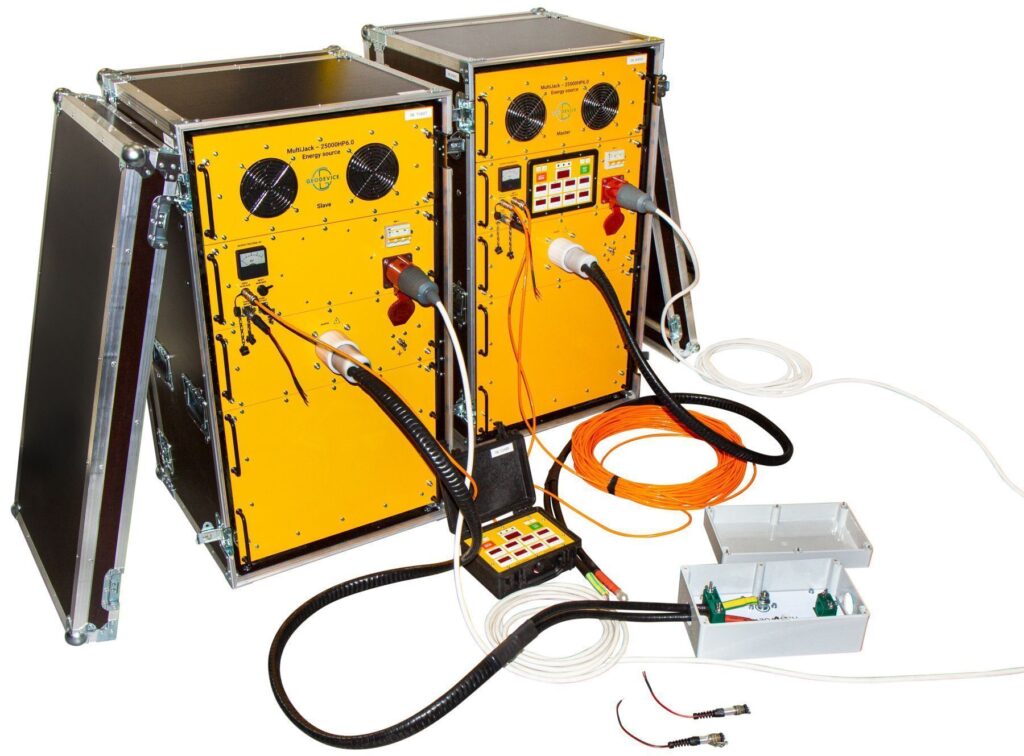
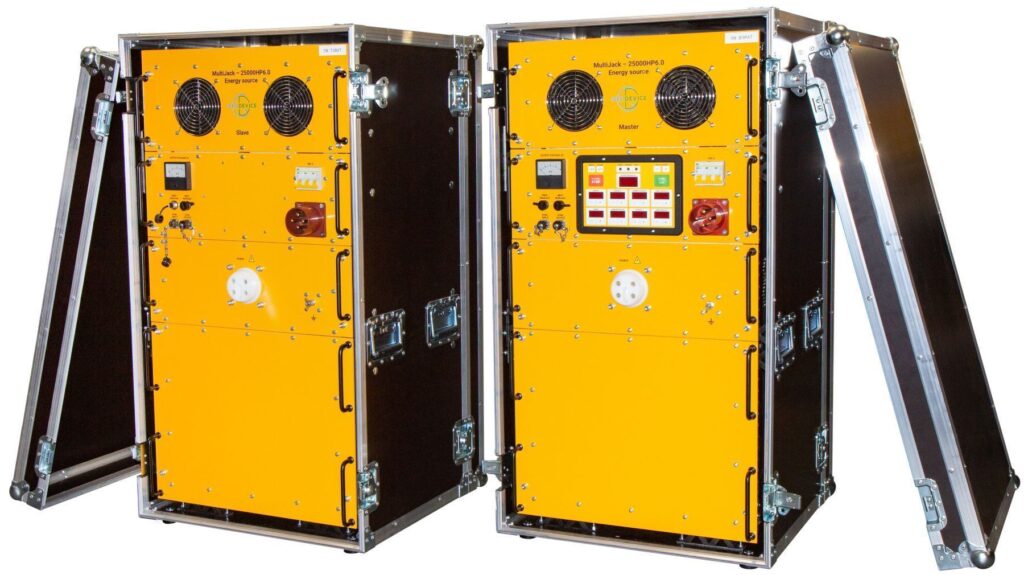
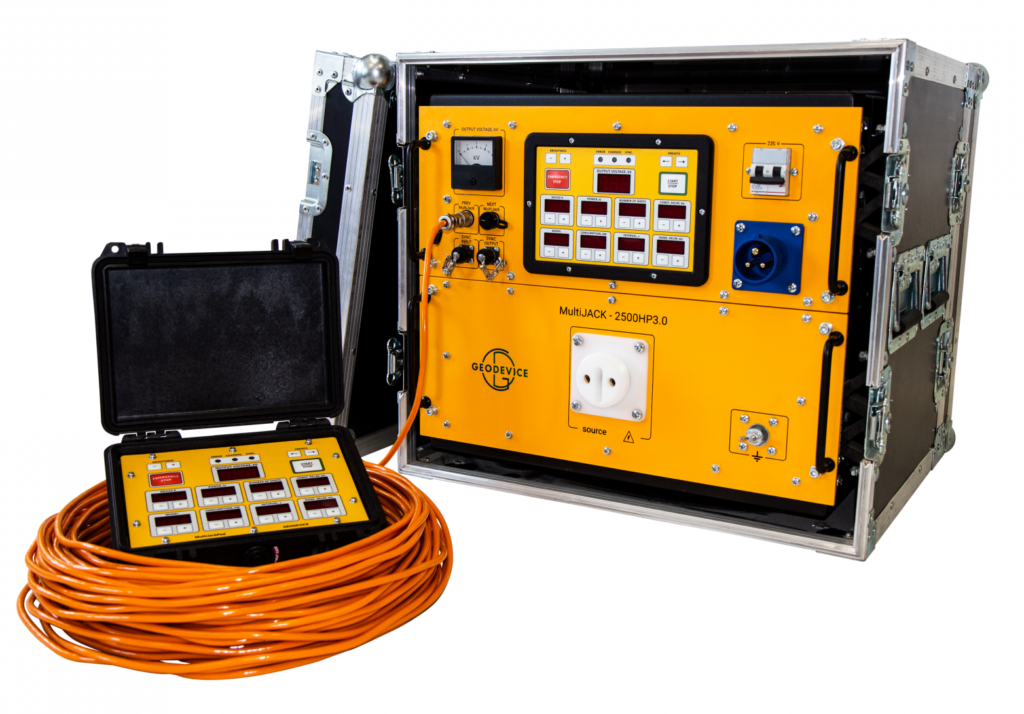
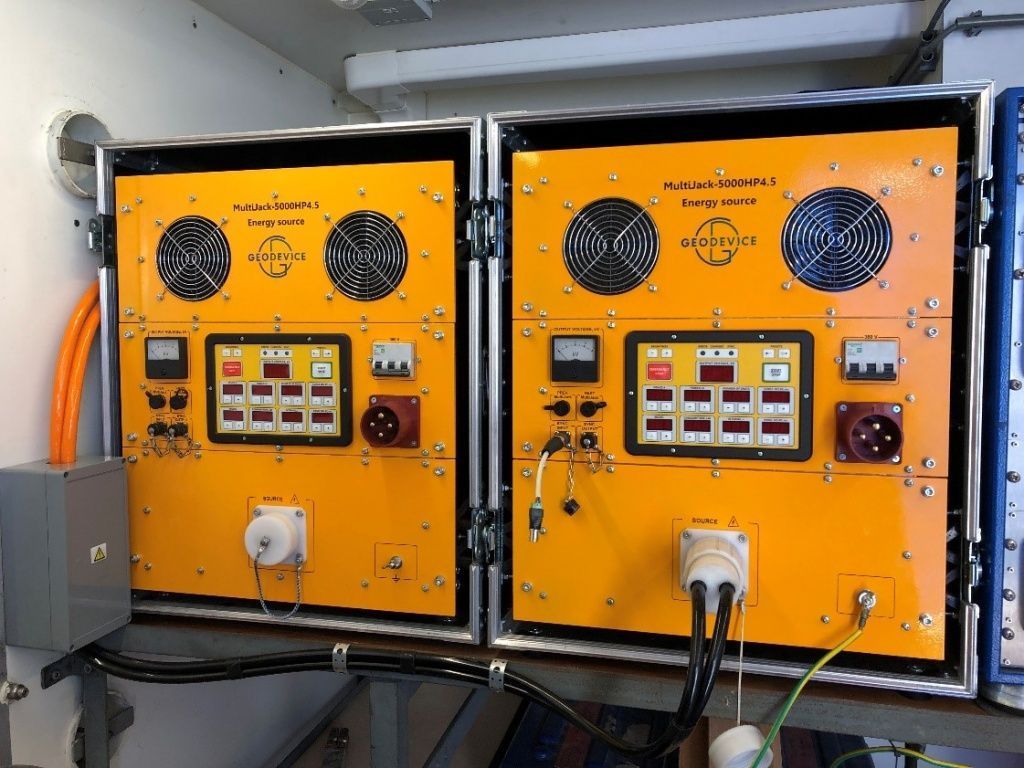
- High charge rate
- Flip-flop, simultaneous source, code sequences and multilevel sources support
- High power
- Easy handling
MultiJack energy source is designed to supply operations of sparker and boomer sound sources that are typically used for high resolution (HR), ultra-high-resolution (UHR) marine seismic surveys and VSP.
MultiJack is a unique energy source with the fastest charging rate available on the market, which results in possibility to acquire marine seismic profiles with the highest possible trace density and lateral resolution, correspondingly.
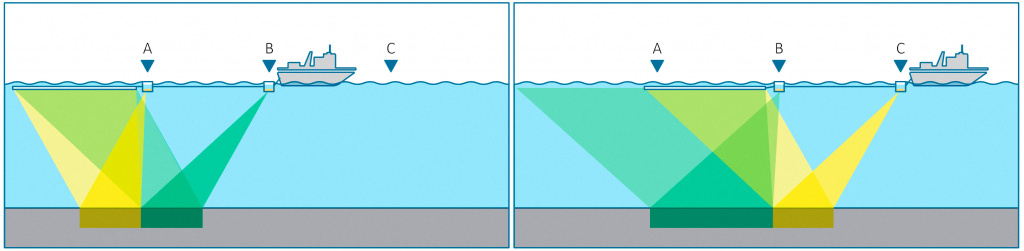
In addition to the standard mode of operation with a single source, MultiJack energy sources can be combined in an array to implement the latest shooting technologies:
- Flip-flop mode
- Multi-level source
- Simultaneous source
- Coded shooting
Flip-flop shooting became an industry standard acquisition technique for 3D oil and gas surveys, while still seldom used in shallow seismic projects. Our MultiJack sources support flip-flop shooting mode to improve efficiency and ready to serve seismic parties, who are on the leading edge of marine engineering seismic acquisitions.
The use of multilevel sources allows to achieve a pre-defined source directivity, with modifying the source signature shape and its spectral characteristics. The application of multilevel sources in conjunction with impulse-code sequences makes it possible to use a ghost wave as a source of useful signal.
The use of code sequences also makes it possible to work with amplitudes of generated signals that are much smaller than the source signals amplitudes in a standard seismic survey with a single generation of the signal at each shot point. At the same time, the total energy of the recorded signal is preserved without loss in data quality.
Simultaneous source (or multi-shooting) technology allows to achieve a number of significant advantages comparing to single source acquisition:
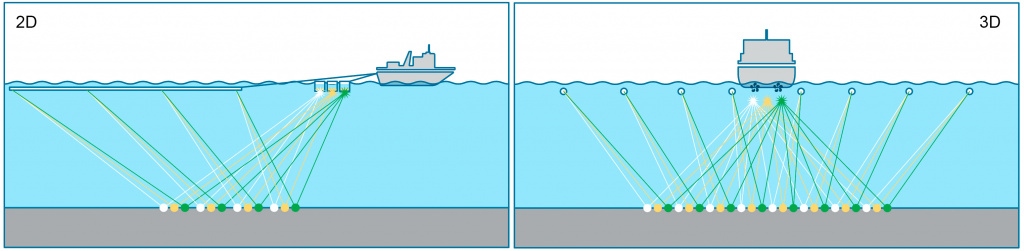
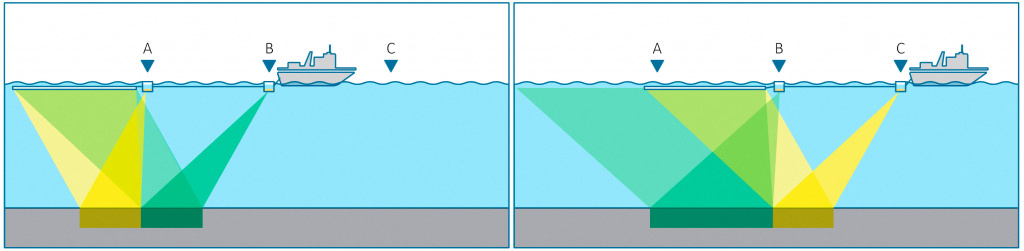
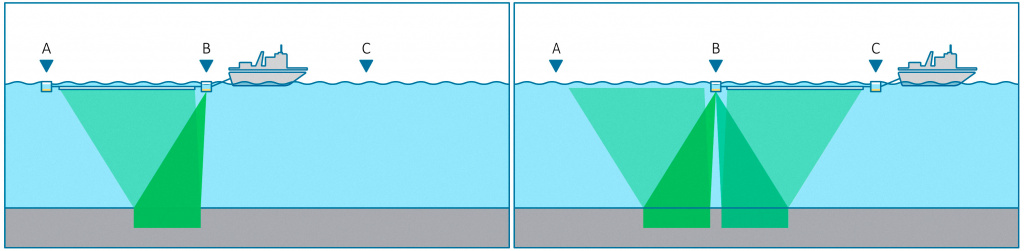
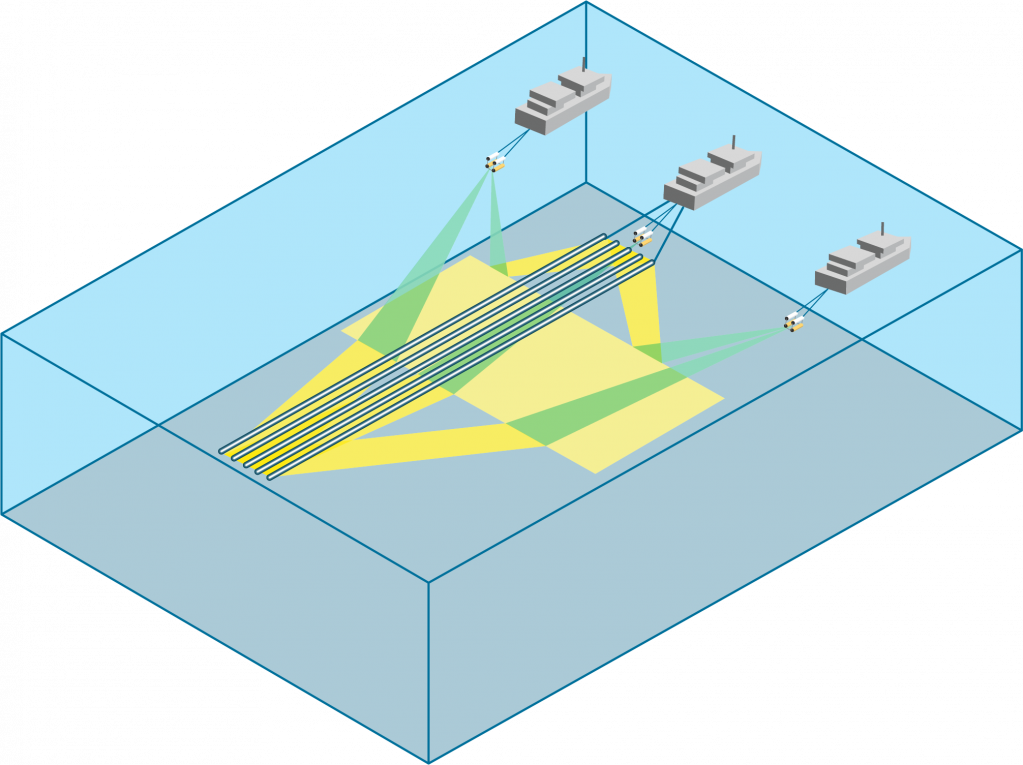
The acquisition of seismic data over a wide range of azimuths due to non-longitudinal towing scheme of several sources
An important feature of MultiJack system while working in an array is its exceptional simplicity — all units are controlled by a single MultiJackPad remote control, which allows to set up and monitor all valuable parameters remotely. This is a unique solution on the market, which allows completely separate high voltage blocks from instrument room equipment. Acquisition with MultiJackPad is safer than ever.
MultiJack energy sources are balanced by the maximum pulse energy and charge rate so that it is guaranteed to provide standard observation steps at a typical vessel speed of 3–5 knots.
The standard set of MultiJack energy source consists of:
- MultiJack Unit
- Sync connector (2 pc.)
- Power cable
- Universal switching module for connecting the source
- Documentation Kit
In addition to MultiJack energy sources the following items can be purchased:
- MultiJackPad remote control
- Sparker and boomer with towed coaxial HV power cable
- Towed hydrophone streamer
- Seismograph
- Spare parts kit
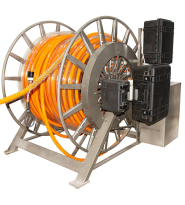
Additionally, deck winches for HV cable and streamer with slip ring can be purchased to provide fast and safe deployment and recovery of UHR marine equipment during field operations.
Geodevice team is ready for cooperation and developing customized equipment for special customer’s needs and ideas.
Please, contact us for generating the most suitable high resolution marine acquisition setup for your purposes. We will consider all the requirements and provide you with the best solution to achieve high quality image, starting from acquisition up to final data delivery.
We provide trainings, technical support and consultancy services, as well as processing of high-resolution marine seismic surveys.
| MultiJack model | 500HP1.5 | 1250HP1.5 | 2500HP3.0 | 5000HP6.0 | 12500HP6.0 | 25000HP12 | 50000HP12 |
| Maximum pulse voltage | 4 kV (6 kV (option)) | ||||||
| Type of charger | pulse charger | ||||||
| Trigger mode | external/repetitive/manual | ||||||
| Support of survey technologies | conventional, Flip-flop, simultaneous source, coded and multi-level source | ||||||
| Operating energy | 50‑500 J | 50‑1 250 J | 300‑2 500 J | 300‑5 000 J | 300‑12 500 J | 300‑25 000 J | 300‑50 000 J |
| Charging rate | 500-1 500 J/s | 500-1 500 J/s | 500-3 000 J/s | 6 000 J/s | 6 000 J/s | 6 000-12 000 J/s | 6 000-12 000 J/s |
| Minimum period of operation at the minimum pulse energy | 0.13 s | 0.13 s | 0.26 s | 0.15 s | 0.15 s | 0.1 s | 0.1 s |
| Minimum period of operation at the maximum pulse energy | 0.4 s | 0.9 s | 0.9 s | 0.9 s | 2.1 s | 2.1 s | 4.2 s |
| Minimum distance between shot points on maximum pulse energy and vessel speed is 3-5 knots | 0.6-1 m | 1.4-2.3 m | 1.4-2.3 m | 1.4-2.3 m | 3.3-5.5 m | 3.3-5.5 m | 6.5-10.8 m |
| Power mains | 110 or 220 V, 50 Hz | 380 V, 50 Hz | |||||
| Maximum power consumption | 1/2/3 kW | 1/2/3/4/5/6 kW | 12 kW | 24 kW | |||
| Overall dimensions | 54×41×27 cm | 58×56×50 cm | 58×59×69 cm | 58×59×120 cm | 2 or 4 units 58×59×120 cm each | ||
| Weight | 20 kg | 30 kg | 74 kg | 99 kg | 130 kg | 2×130 kg | 4×130 kg |
| MultiJackPad | |
| Purpose of use | remote control of MultiJack |
| Maximum length of communication line | 100 m |
| Overall dimensions | 24 × 19.8 × 10.9 cm |
| Weight | 1.5 kg |
The manufacturer reserves the right to make changes in the design of devices that do not significantly alter the functional characteristics of the product.

Electrodynamic source G-Boomer
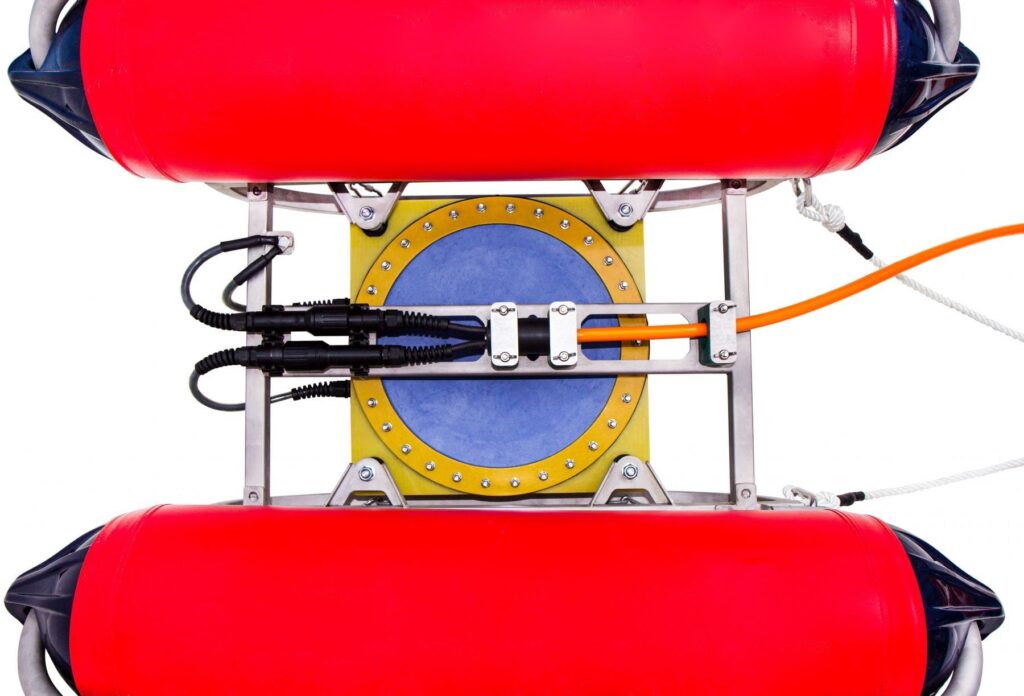
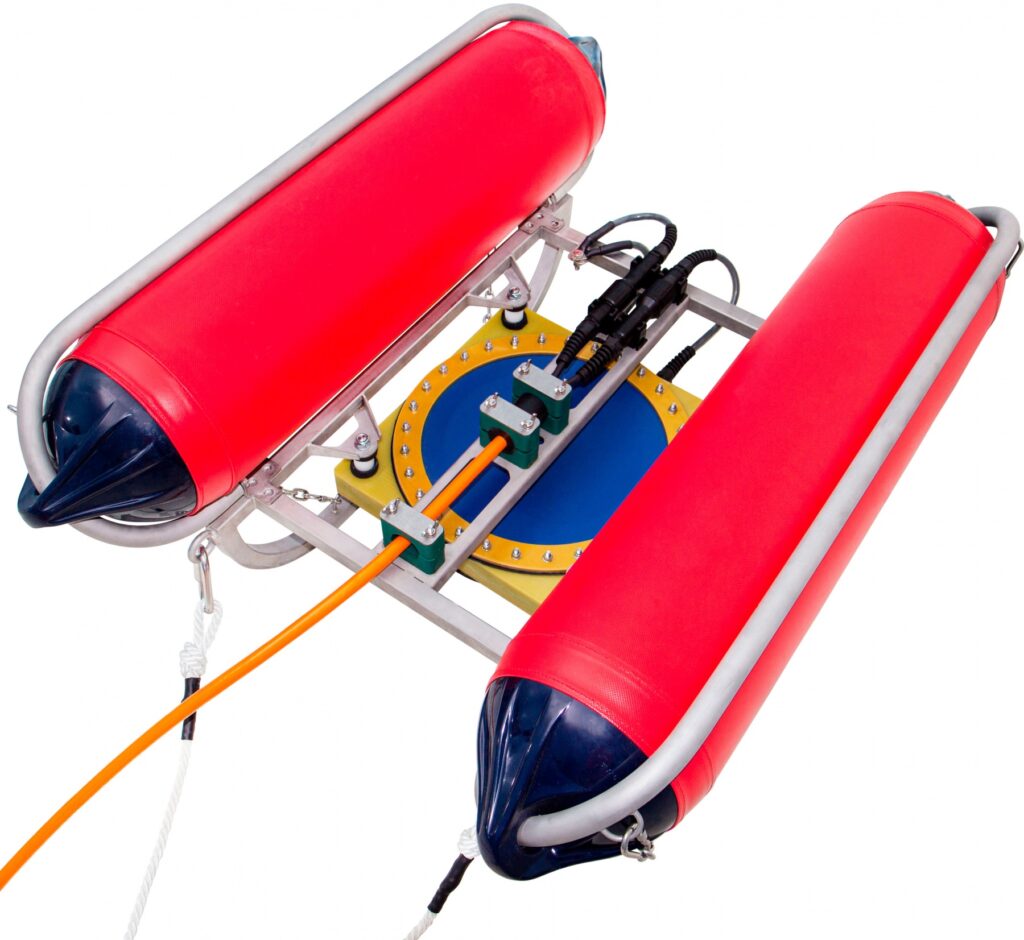
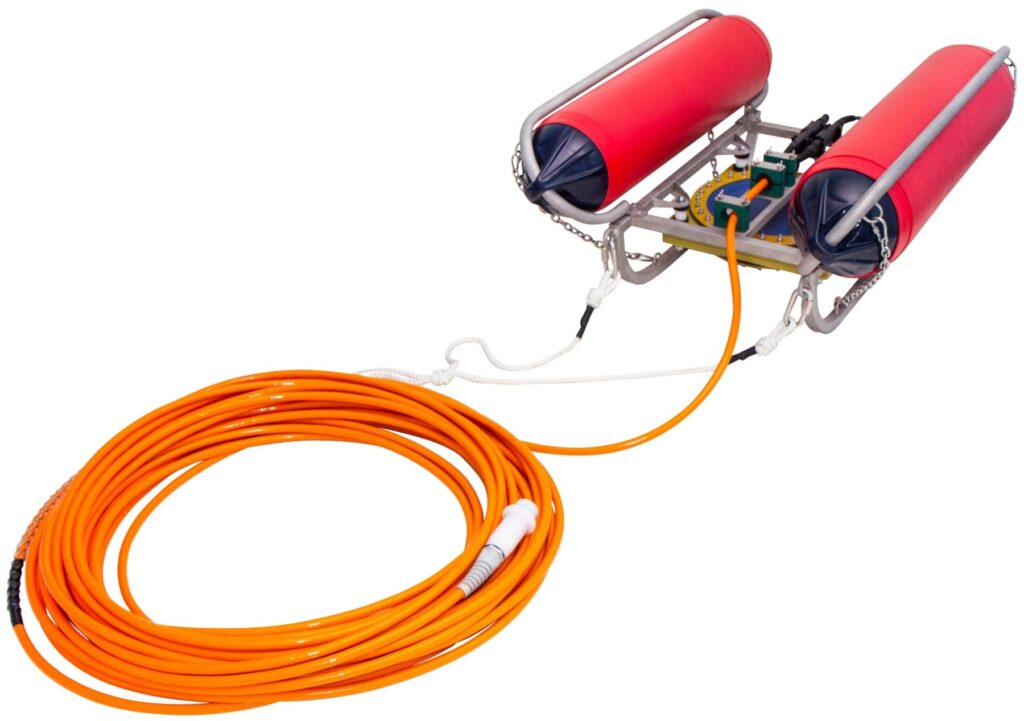
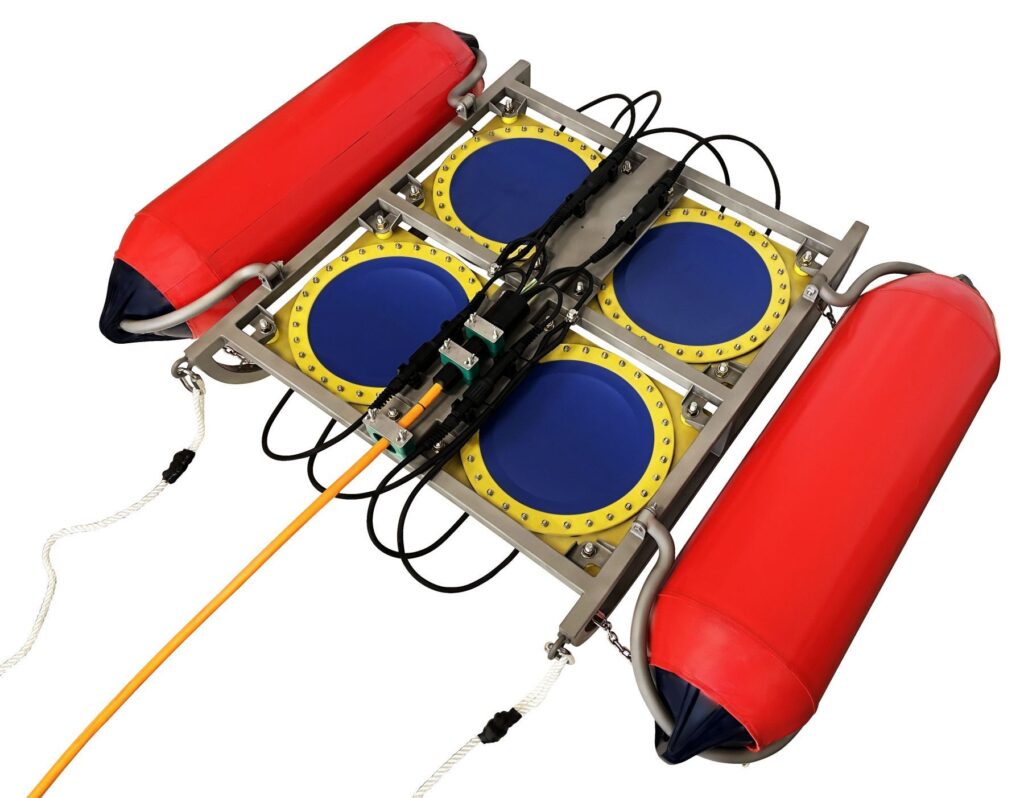
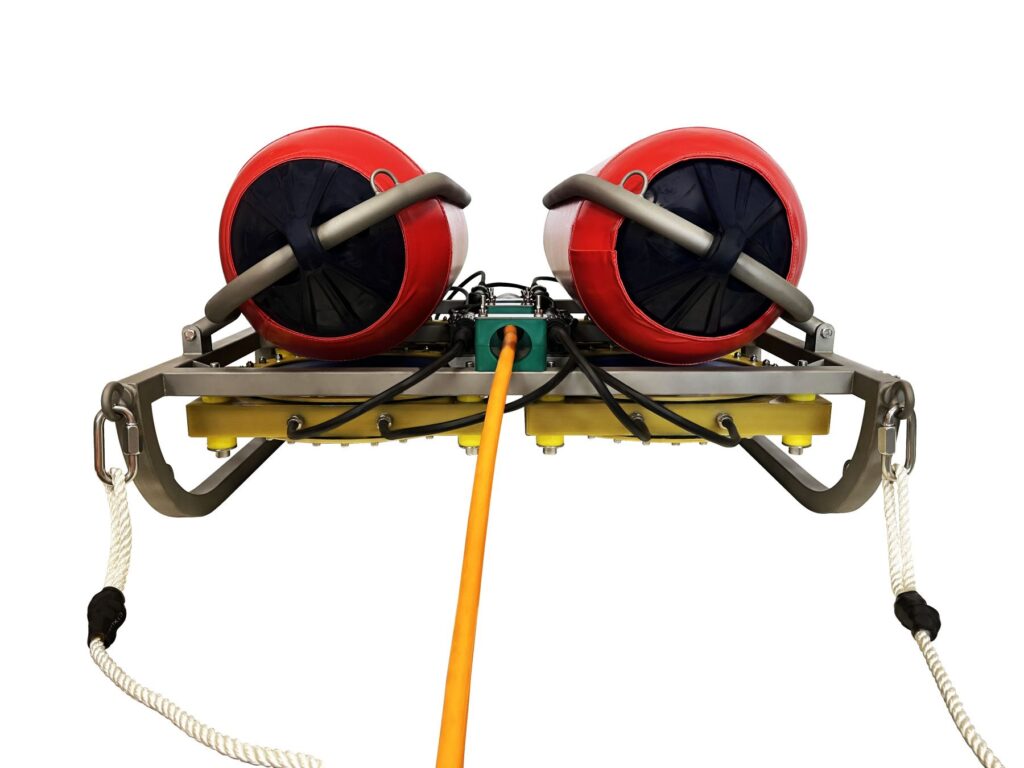
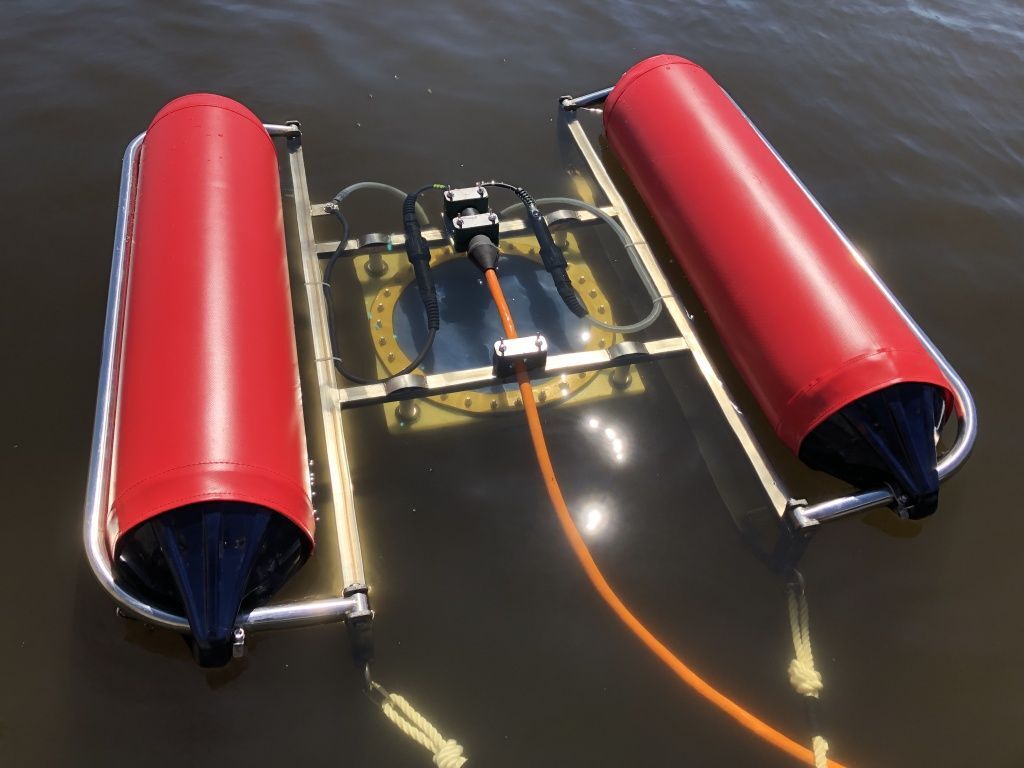
- UHR seismic source
- Vertical resolution up to 10 cm
- Applicable for fresh water and marine environments
- Stable and repeatable broadband signature
- Easy infield operations
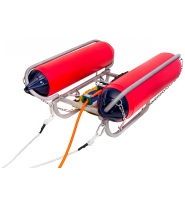
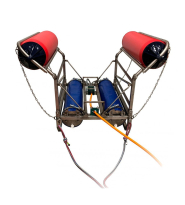
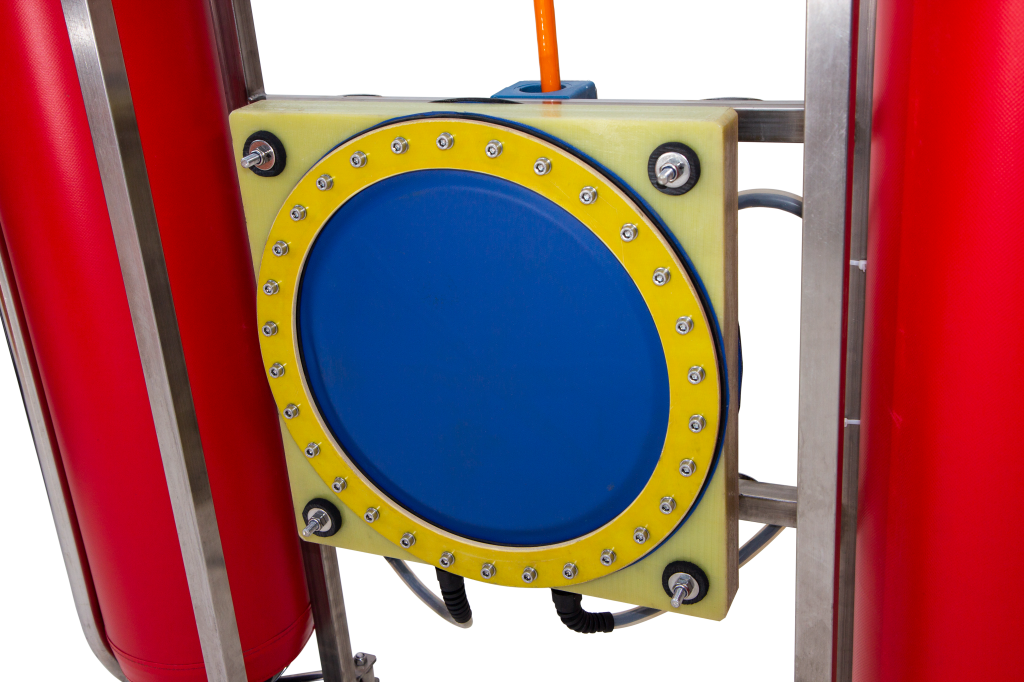
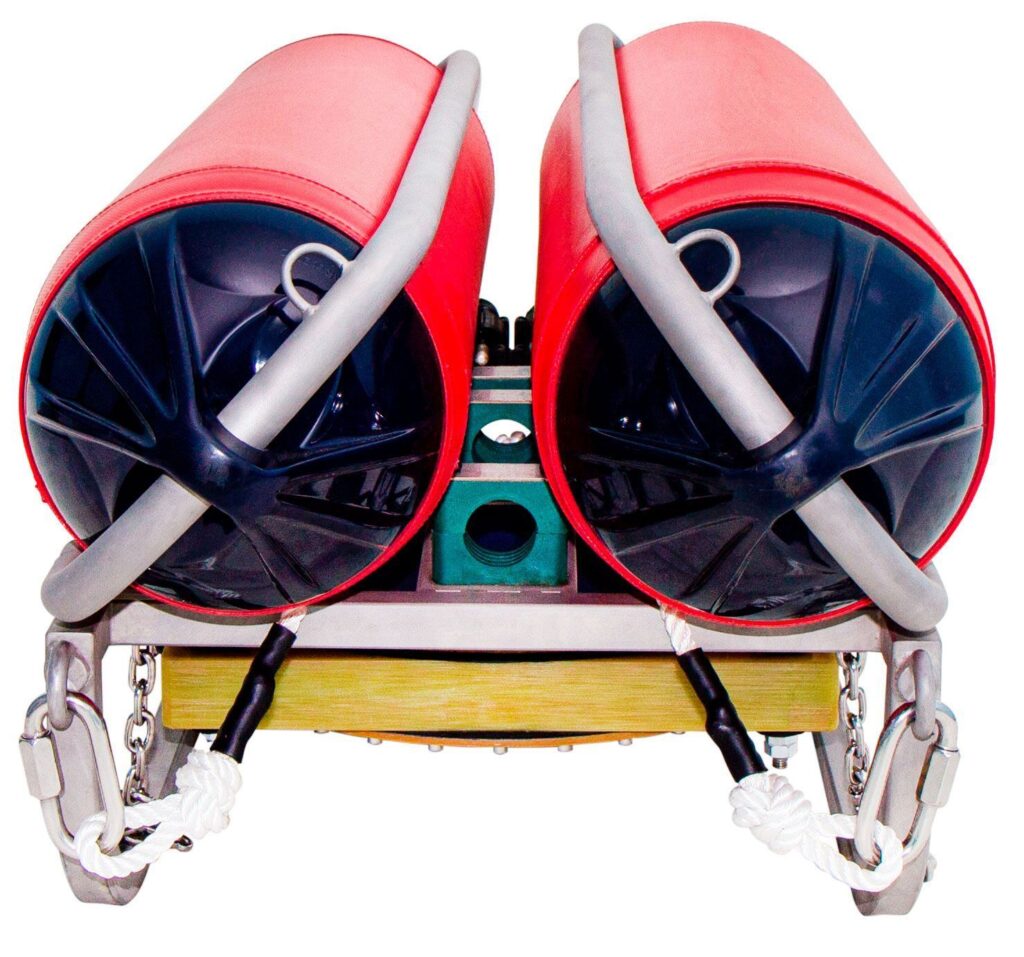
G-Boomer with MultiJack energy source is an ultra-high resolution marine acquisition setup, which is typically used for detailed stratigraphic studies and geological mapping in relatively shallow depths.
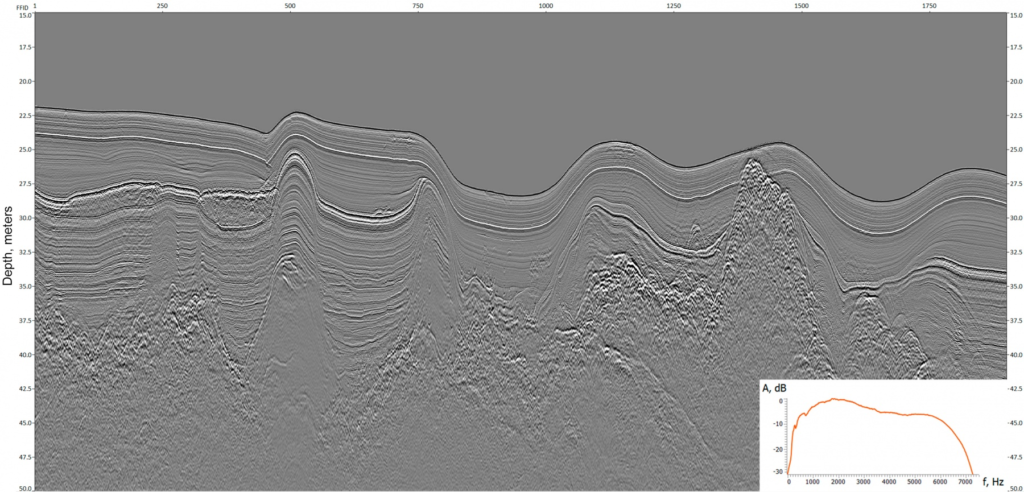
G-Boomer is an easy-to-operate marine seismic source with stable broadband wavelet shape up to 5 kHz, providing vertical resolution up to 10 cm. It is applicable for operations in both fresh and salt waters. To provide deeper penetration several boomer plates can be combined on single frame. 2G and 4G boomers with 2 and 4 plates correspondingly are available for purchase for the deeper subsurface imaging with highest possible vertical resolution.
Geodevice team is ready for cooperation and developing customized equipment for special customer’s needs and ideas. We have an experience of manufacturing modified version of G-Boomer source with significantly increased central frequency (up to 4 kHz) by the client’s request.
Full acquisition setup includes towed HV power coaxial cable, MultiJack energy source, towed hydrophone array HRStreamer and seismograph. Additionally, deck winches for HV cable and streamer with slip ring can be purchased to provide fast and safe deployment and recovery of UHR marine equipment during field operations.
Please, contact us for generating the most suitable high resolution marine acquisition setup for your purposes. We will consider all the requirements and provide you with the best solution to achieve high quality image, starting from acquisition up to final data delivery.
We provide trainings, technical support and consultancy services, as well as processing of high-resolution marine seismic surveys.
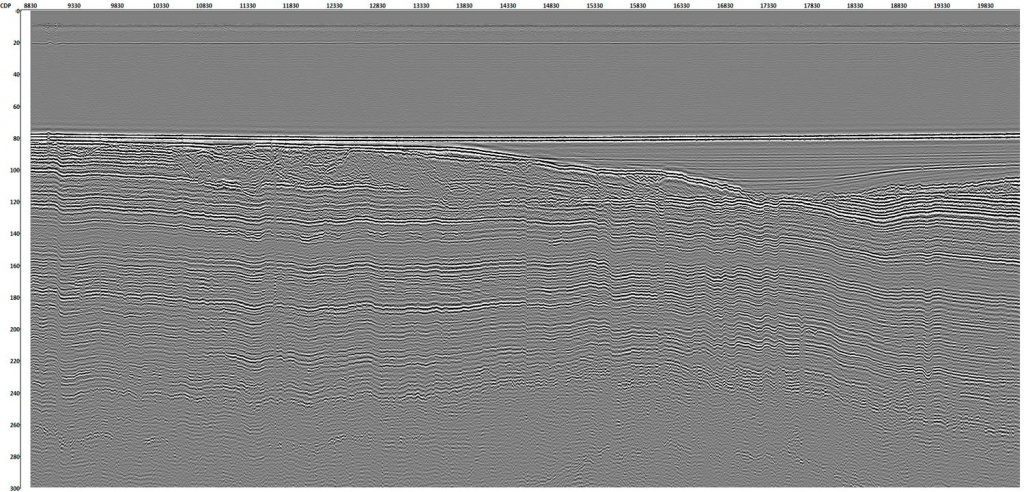
Data examples:
G-Boomer HF source, MultiJack-500HP1.5 energy source:
| G-Boomer | 2G-Boomer | 4G-Boomer | G-Boomer HF | |
| Plates | 1 | 2 | 4 | 1 |
| Maximum pulse energy | 300 J | 600 J | 1 200 J | 300 J |
| Recommended pulse energy | 50 ÷ 250 J | 100 ÷ 500 J | 200 ÷ 1 000 J | 50 ÷ 250 J |
| Maximum input power | 600 J/s | 1 200 J/s | 2 400 J/s | 600 J/s |
| Sound pressure level relative to1 μPa at a distance of 1 m | 215 dB at 250 J | 220 dB at 500 J | 225 dB at 1000 J | 215 dB at 250 J |
| Pulse spatial length* | 0.75 ÷ 1.5 ms | 0.2 ÷ 0.4 ms | ||
| Frequency range* | 100 ÷ 6 000 Hz | 100 ÷ 10 000 Hz | ||
| Recommended MultiJack | 500HP1.5 | 500HP1.5 | 2500HP3.0 | 500HP1.5 |
| Recommended coaxial HV cable | 1×10 | 1×20 | 1×50 | 1×10 |
| Plate size | 380×380×100 mm | |||
| Weight in air | 15 kg | |||
| Catamaran | stainless steel | |||
*depends on shot energy
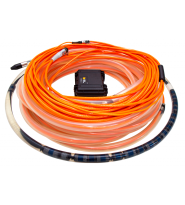
Towed HRStreamer for high resolution and ultra-high resolution marine seismic
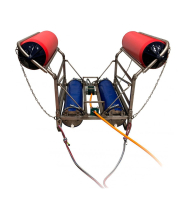
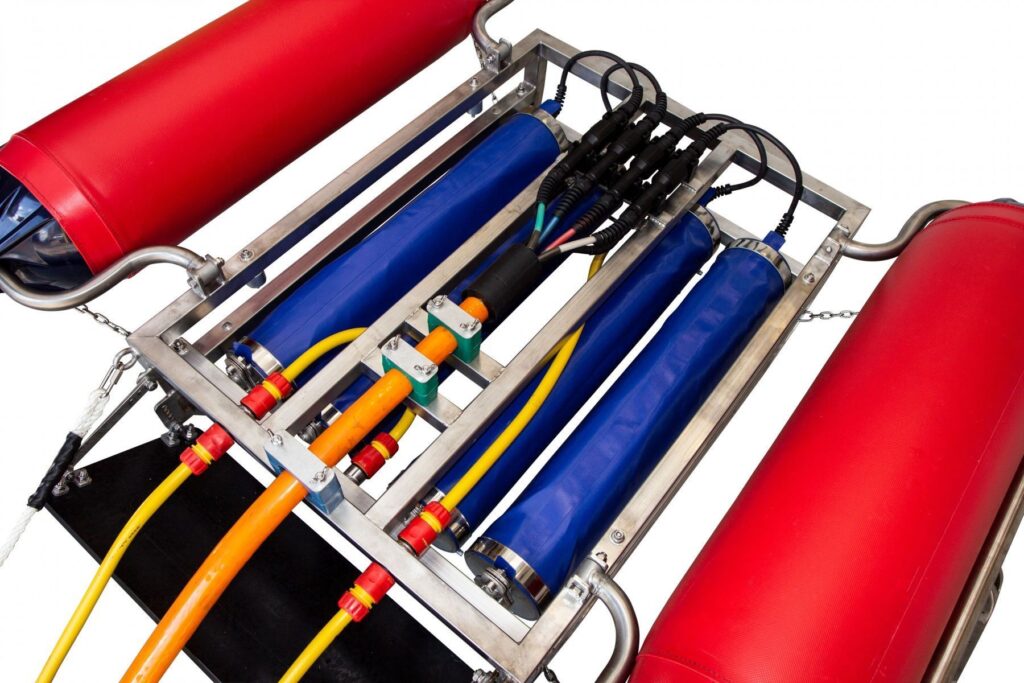
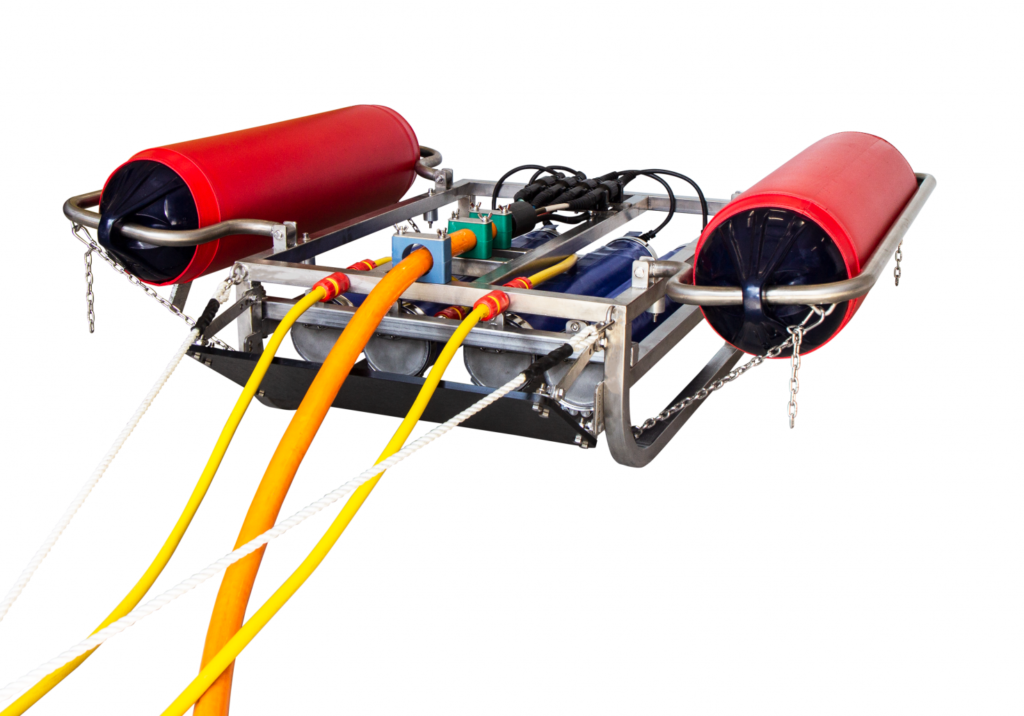
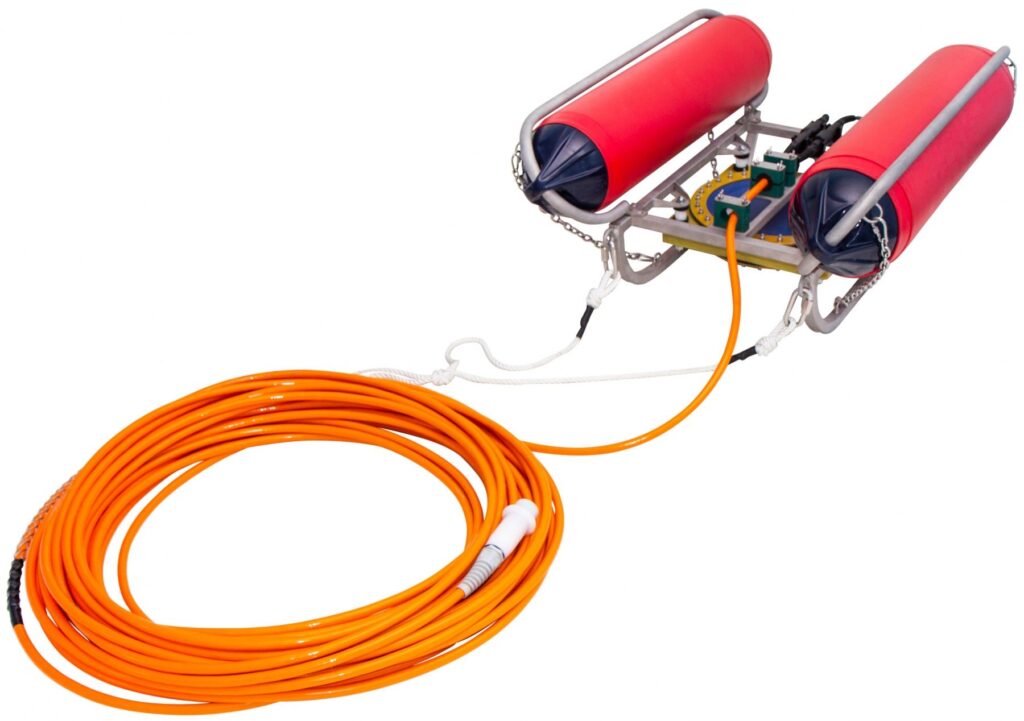
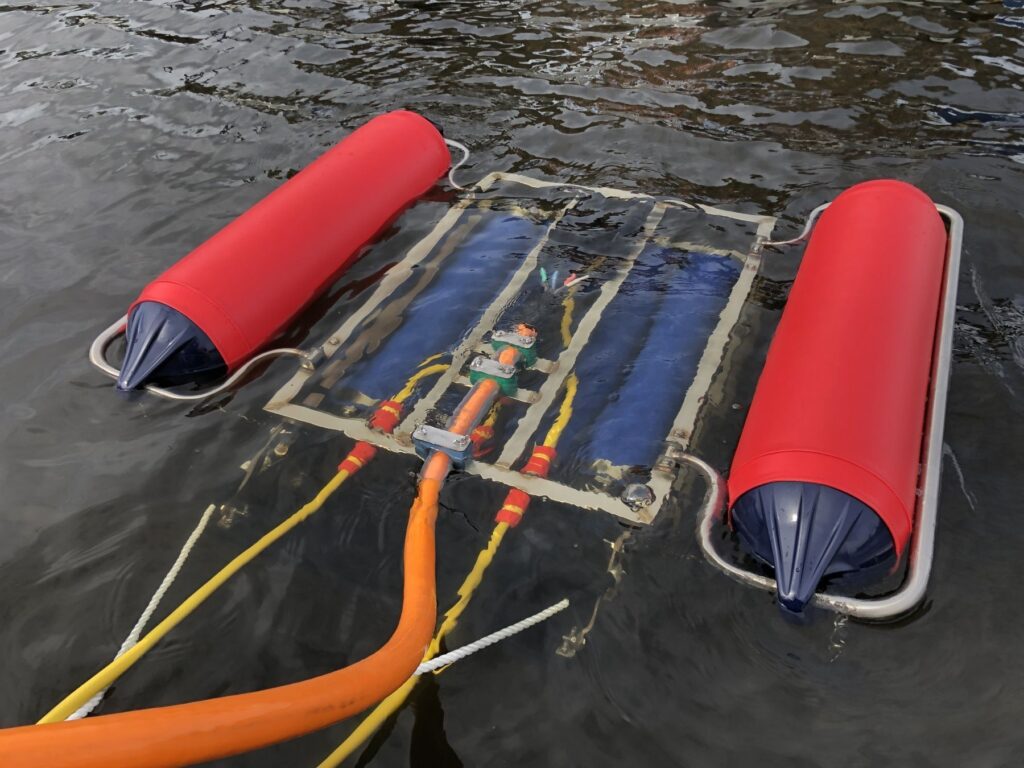
Freshwater sparkers FWS
- High repeatable broadband signal
- Suitable for any type of HR/UHR surveys
- Replaceable electrode groups
- Adjustable depth
- Stainless steel frame
Fresh water sparkers are developed for seismic reflection surveys in freshwater bodies (such as lakes and rivers) or waters with insufficient salinity.
Physical principle of sparker operation requires saltwater envinronment to perform electrical discharge and generate acoustic signal.
To operate in fresh water environmet additional salt water circulation system is required. Electrodes are covered with special hoses, connected with a salt water container. Closed circuit is performed by pumping water through the system. Circulation also removes gases generating during the shooting from the hoses
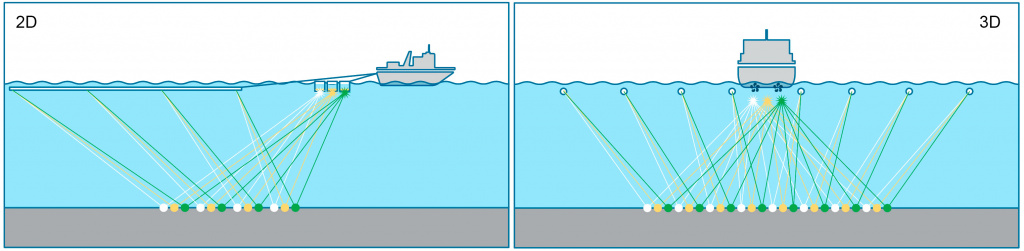
All FWS sources in our line range support industry standard 2D and 3D acquisition techniques and ensure succesfull long-term in-field operations due to:
- Broadband signal with exceptional repeatability
- Optimal towing depth with it’s easy adjustment if required
- Non-wearing electrodes due to negative discharge technology of MultiJack Energy Source
- Specific tip arrangement for optimal signal generation
- GPS installment tool for high-precision positioning
Review some of our most popular modifications:
FWS-125
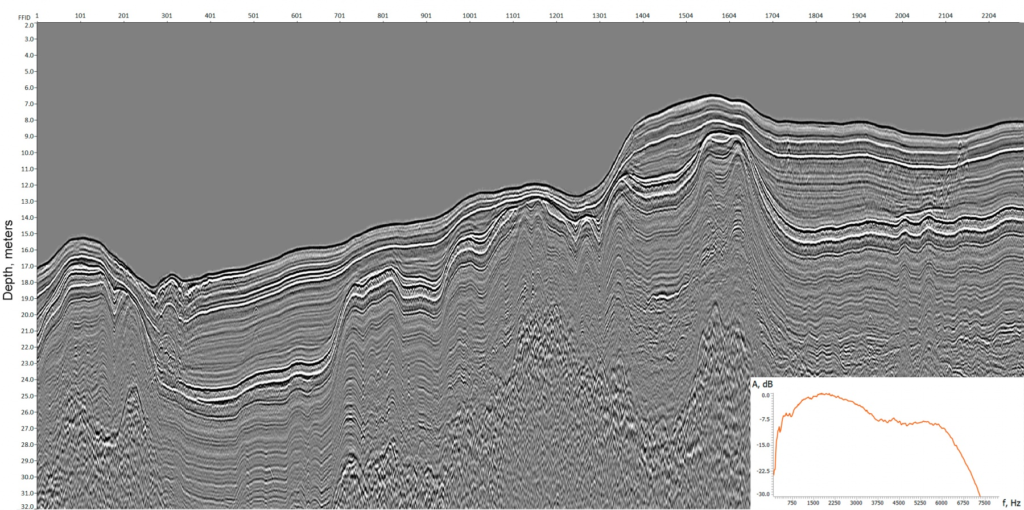
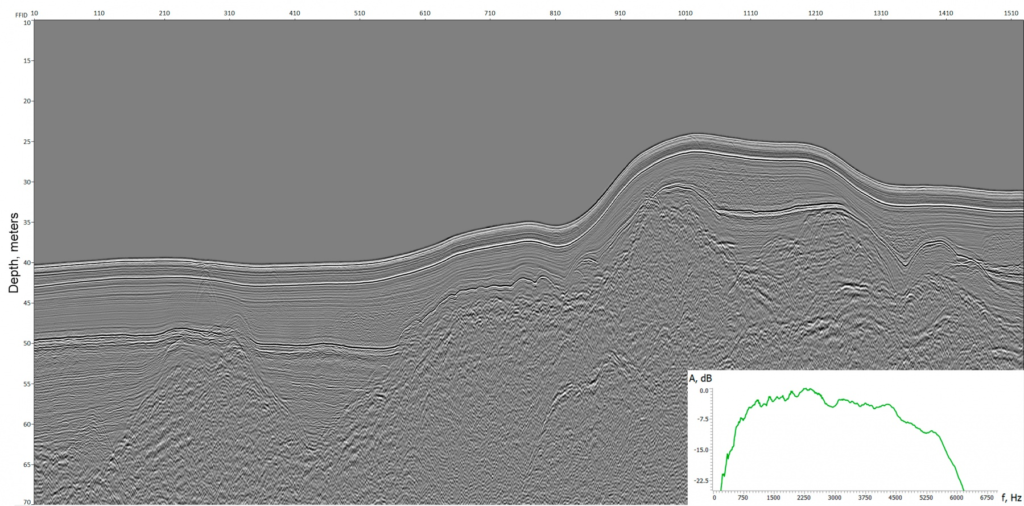
Is the most compact and light weight sparker in our list. In combimation with MultiJack-1250 it forms a portable setup for shallow engineering purposes with penetration depth up to 50 m and vertical resoltuion up to 10 cm. FWS-125 is often used for small objects detection in soft sediments, bedrock mapping for various construction purposes, sands searches.
Key features:
- Compact and light weight
- Vertical resolution up to 10 cm
- Operational depths: 1 – 500 m
- Penetration up to 50 m
- Shot point interval: 0.6 – 1 s
- Ideally suits for small-scale operations
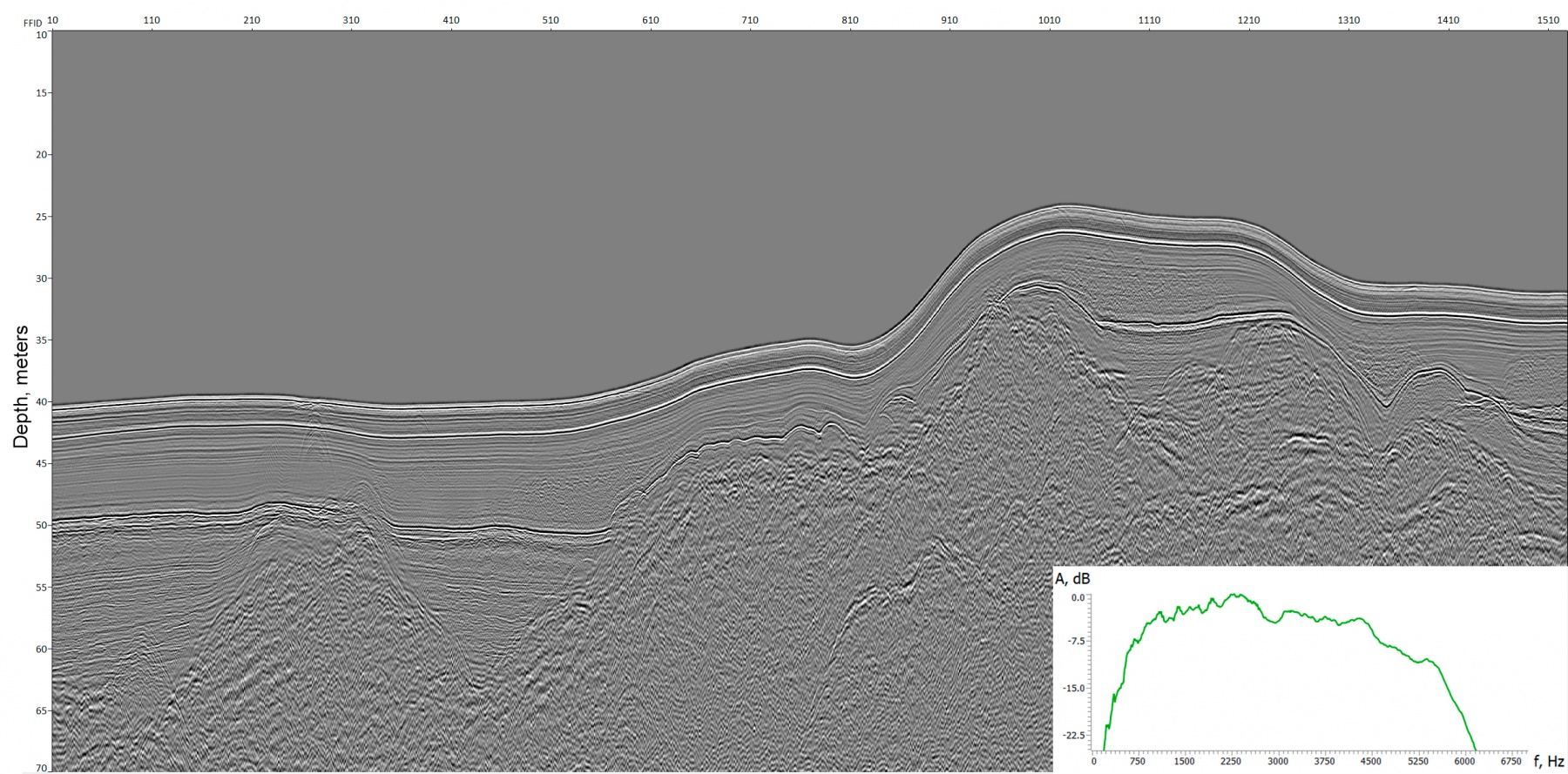
Lake, FWS-125 source, MultiJack-500HP1.5 energy source :
FWS-250
Simplicity and functionality of FWS-250 made it one of the most used sparker sources on the market. FWS-250 has 4 groups of electrodes and 252 tips in total with maximum working energy of 2500J.
More powerfull, it can be applied on wider water depth range and projects, required deeper penetration. Among the possible applications are engineering applications, geohazard assessment, stratigraphy studies, natural resources searches and many others.
Key features:
- Wide range of applications
- Operational depths: 1- 2500 m
- Vertical resolution up to 10 cm
- Penetration up to 500 m below the seafloor
- Shot point interval: 0.6 – 1 s
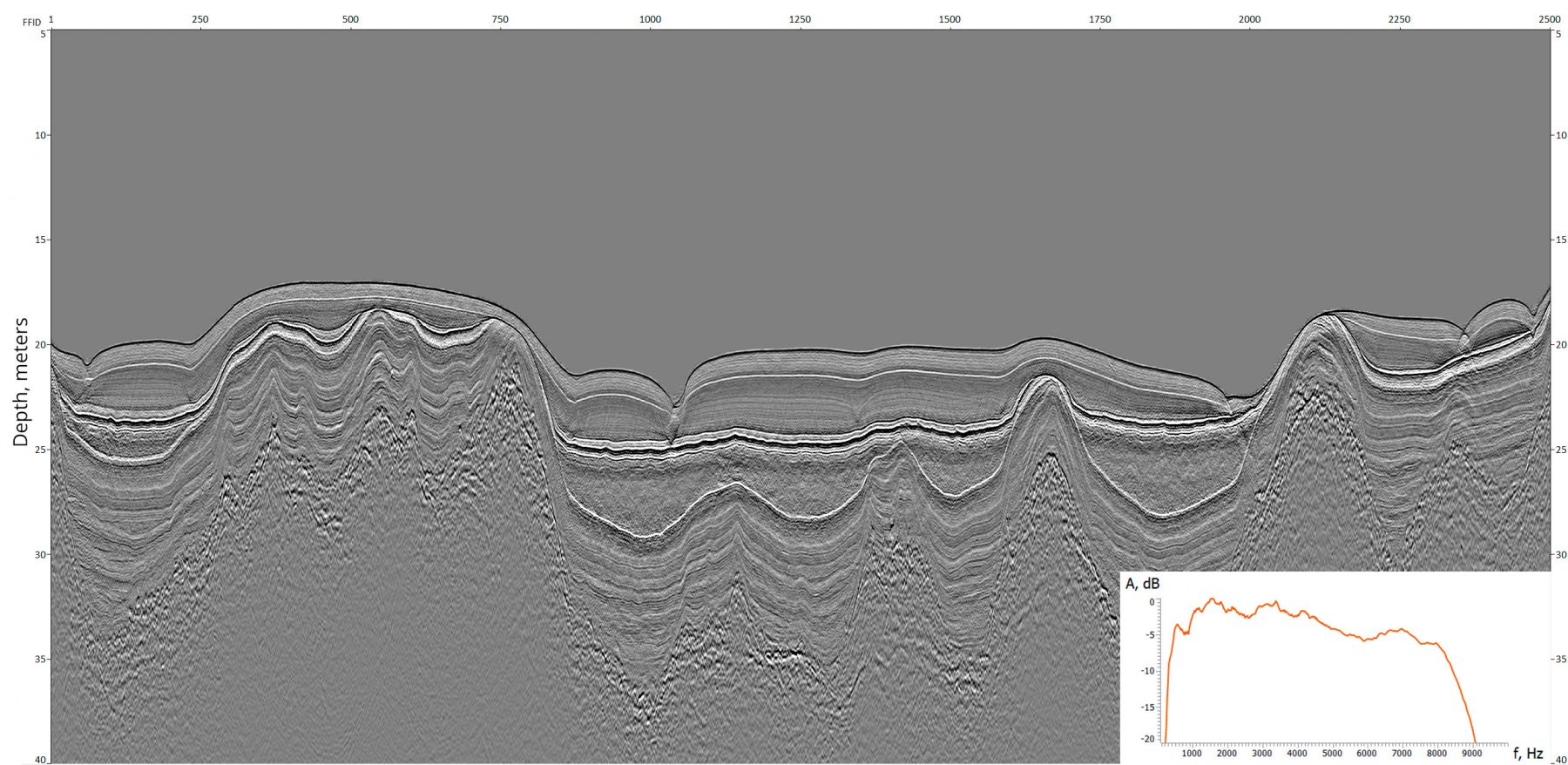
Lake, FWS-250 source, MultiJack-2500HP3.0 energy source :
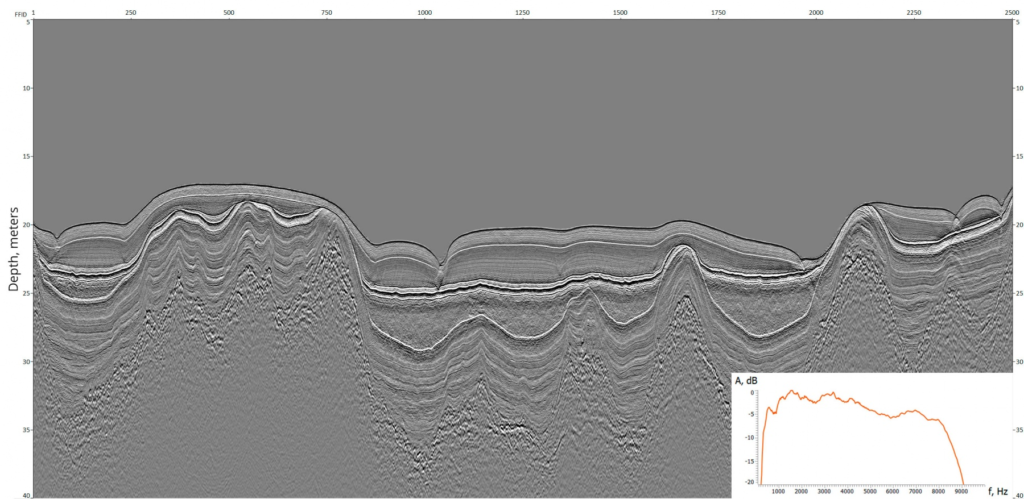
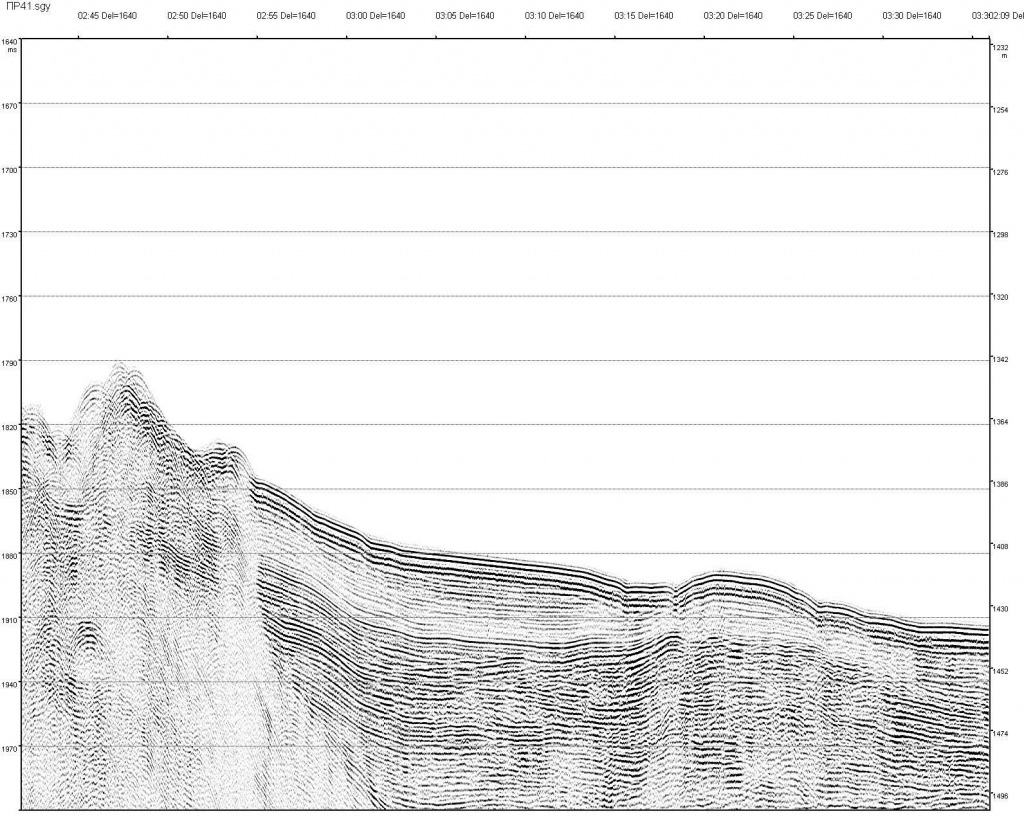
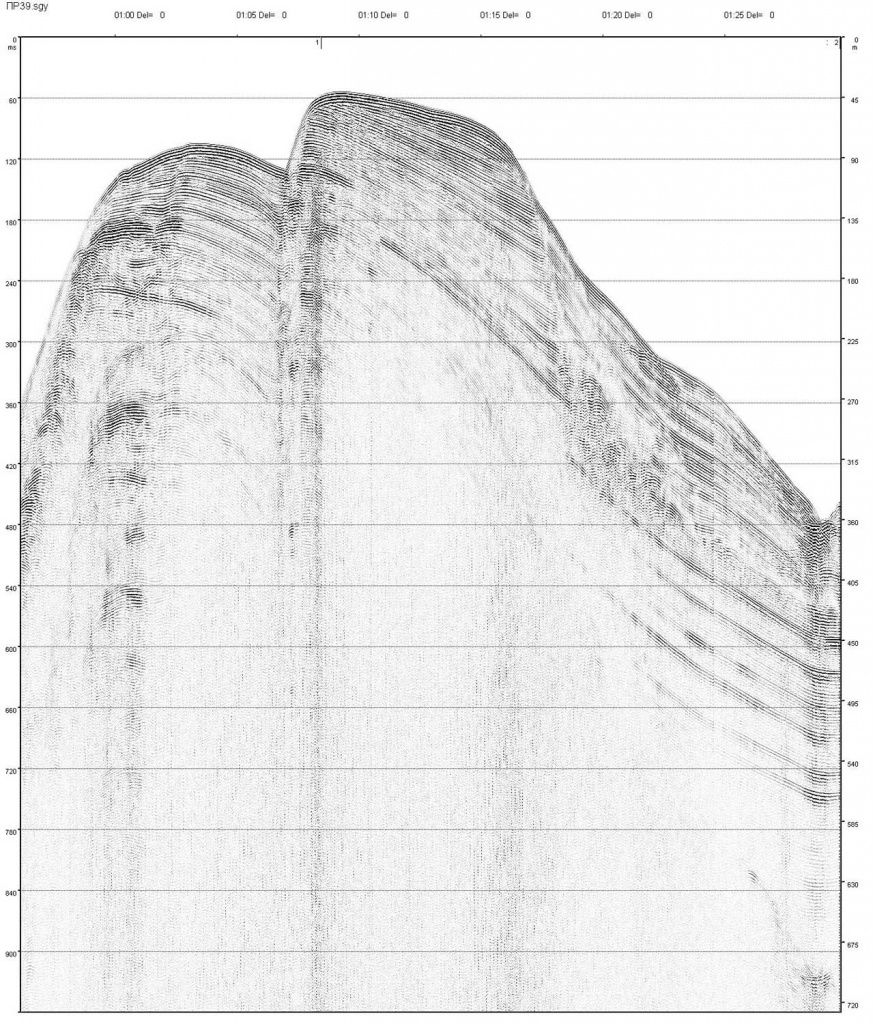
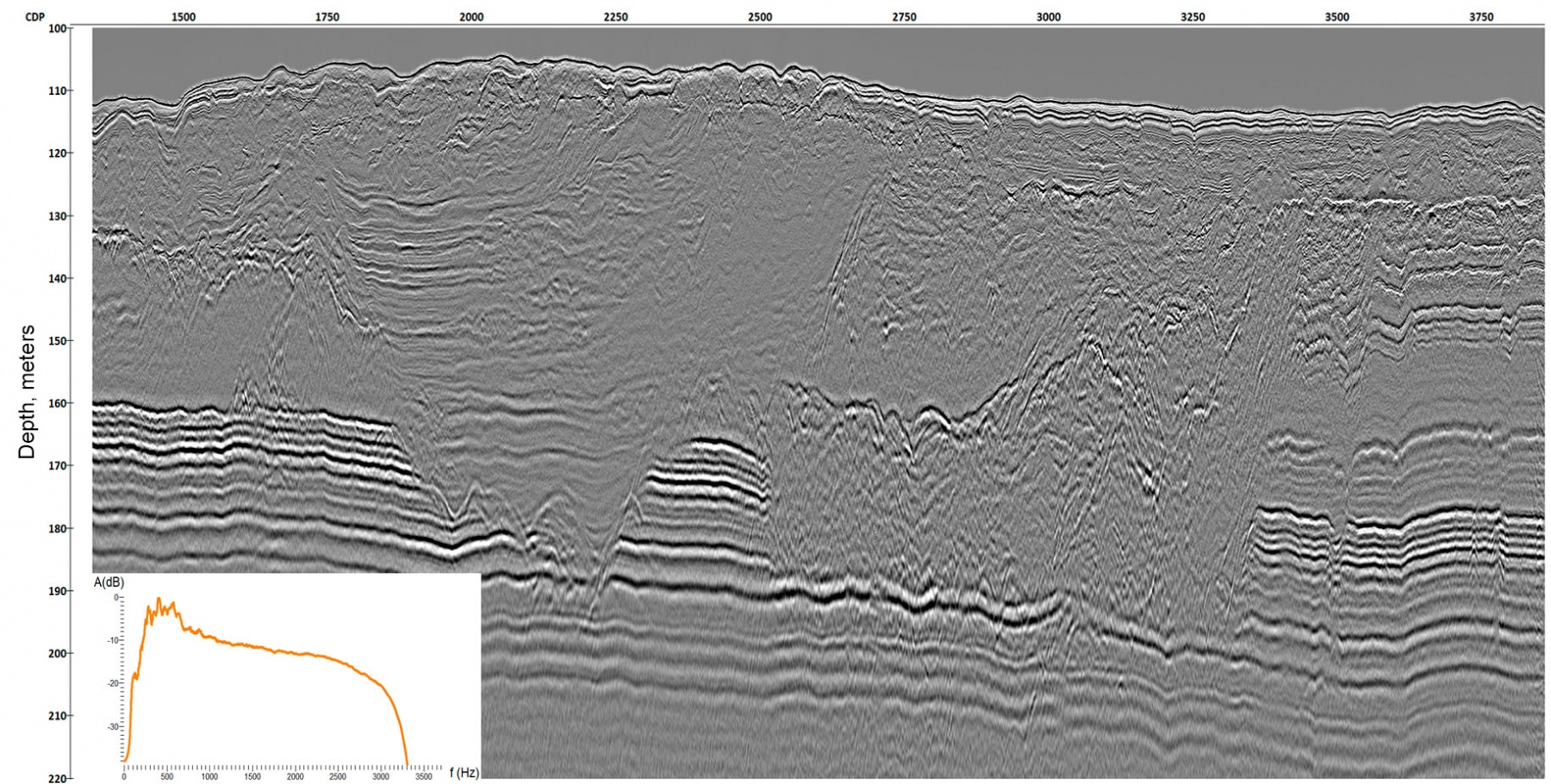
Lake, FWS-100 source, MultiJack-1200HP energy source
Courtesy of FSUE VSEGEI

| Model | Max energy | Levels | Max J at level | Tips at level | Groups at level | Recommended MultiJack | Recommended coaxial HV cable |
| FWS-125 | 1 250 | 1 | 1250 | 126 | 2 | 1250HP1.5 | 2×10 |
| FWS-250 | 2 500 | 1 | 2500 | 252 | 4 | 2500HP3.0 | 4×12.5 |
| FWS-500 | 5 000 | 1 | 5000 | 504 | 4 | 5000HP6.0 | 4×12.5 |
Marine Sparkers SWS
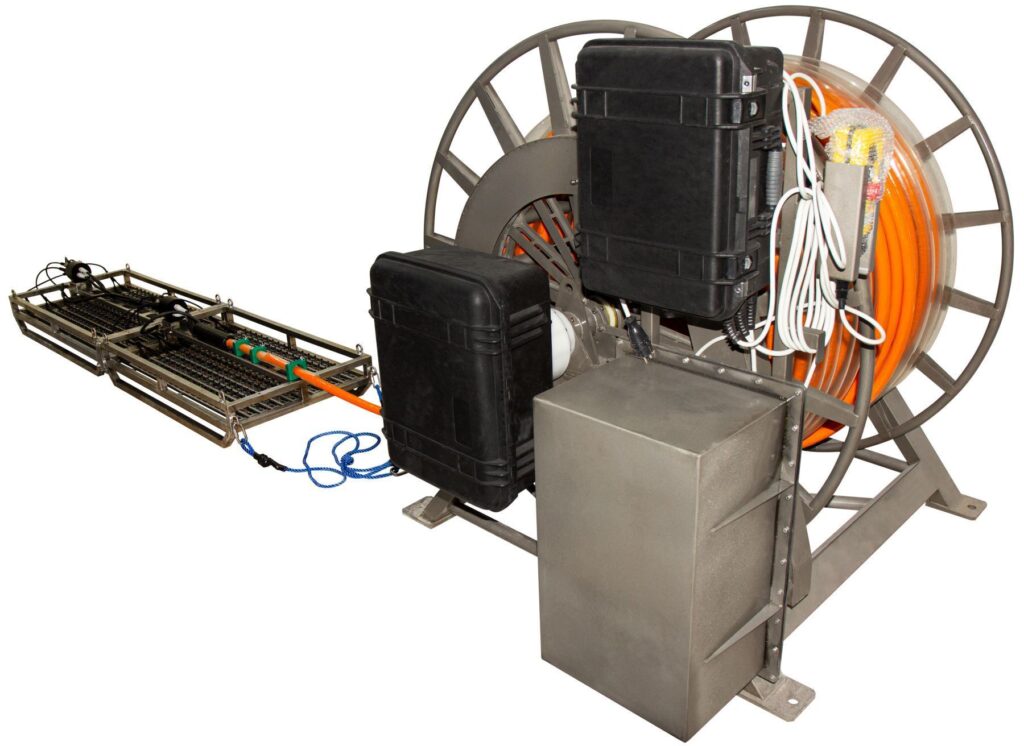
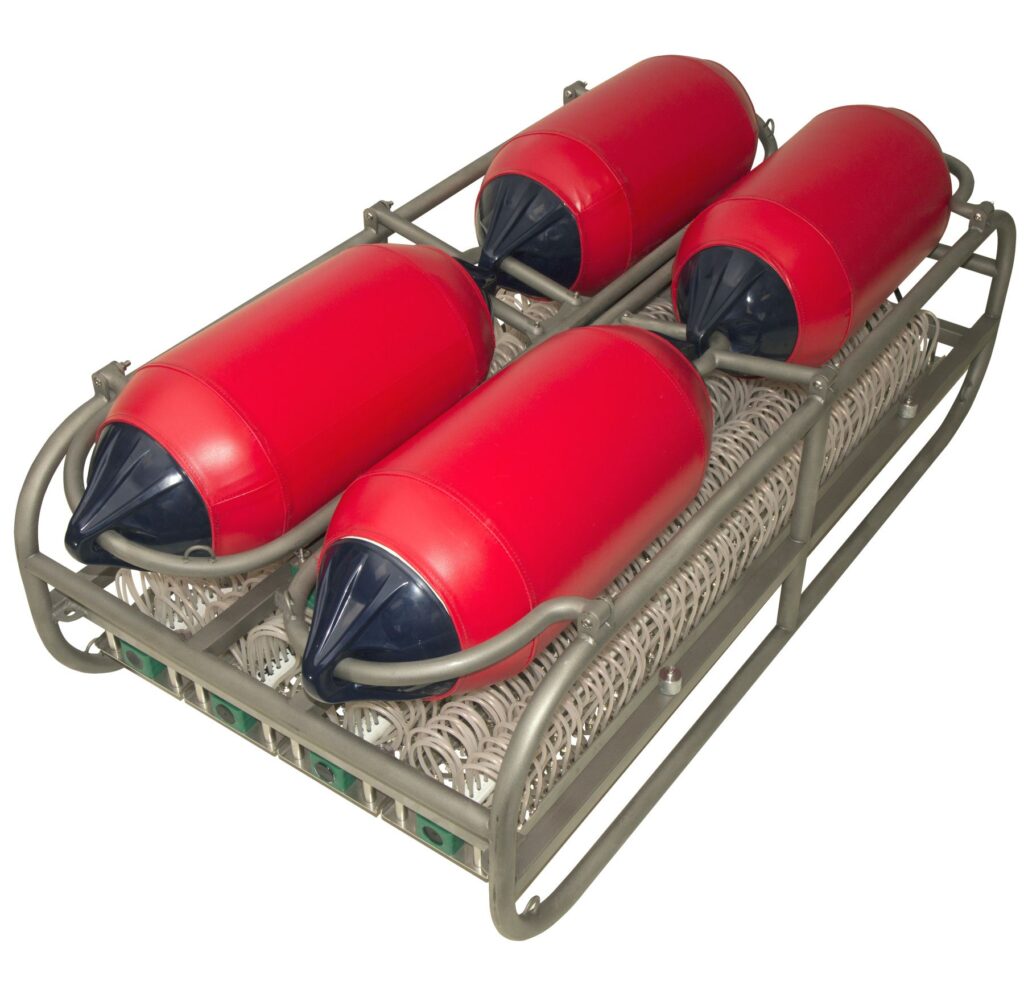
- Exceptional signature repeatability
- Optimal towing depth
- Non-wearing electrodes
- Adjustable depth
- Stainless steel frame
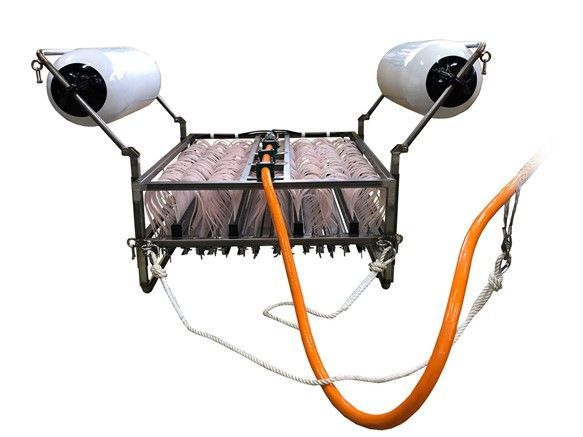
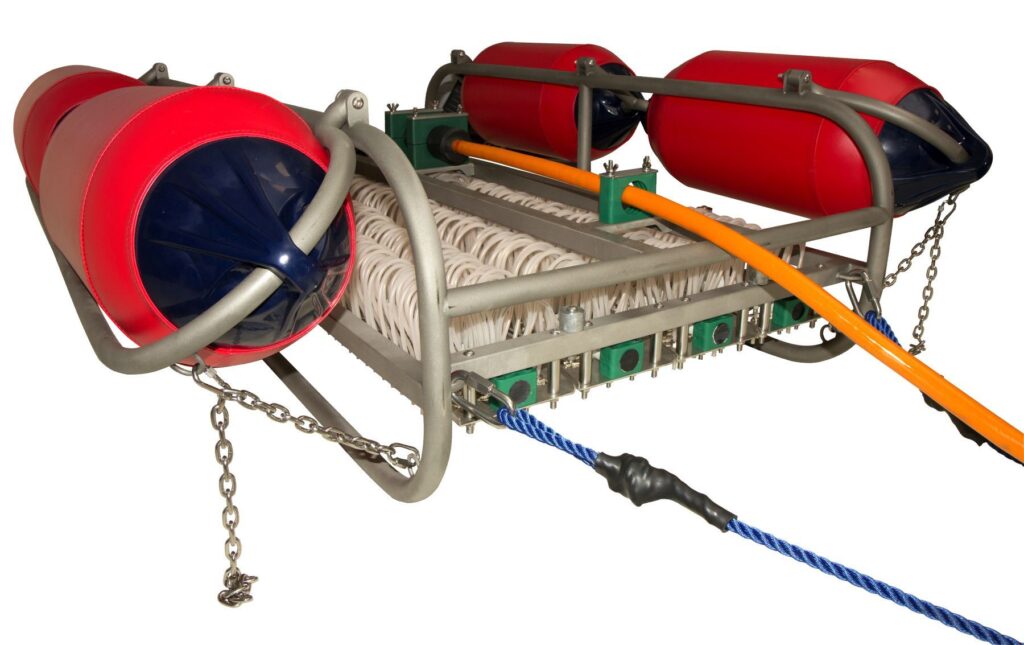
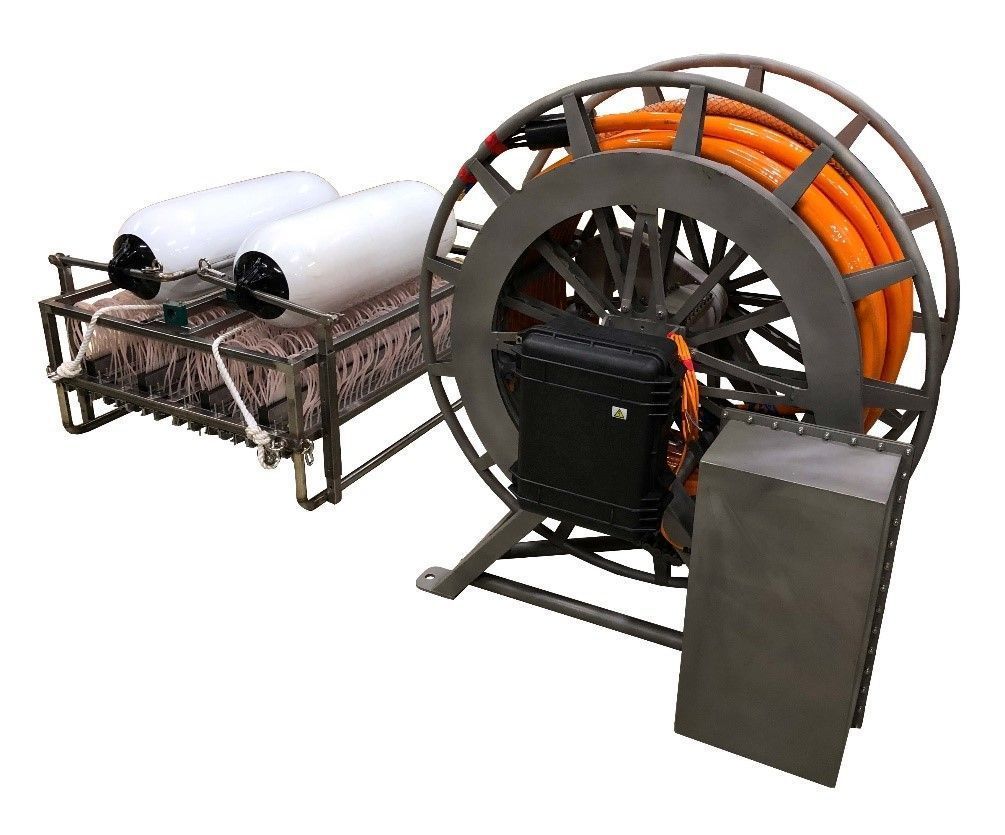
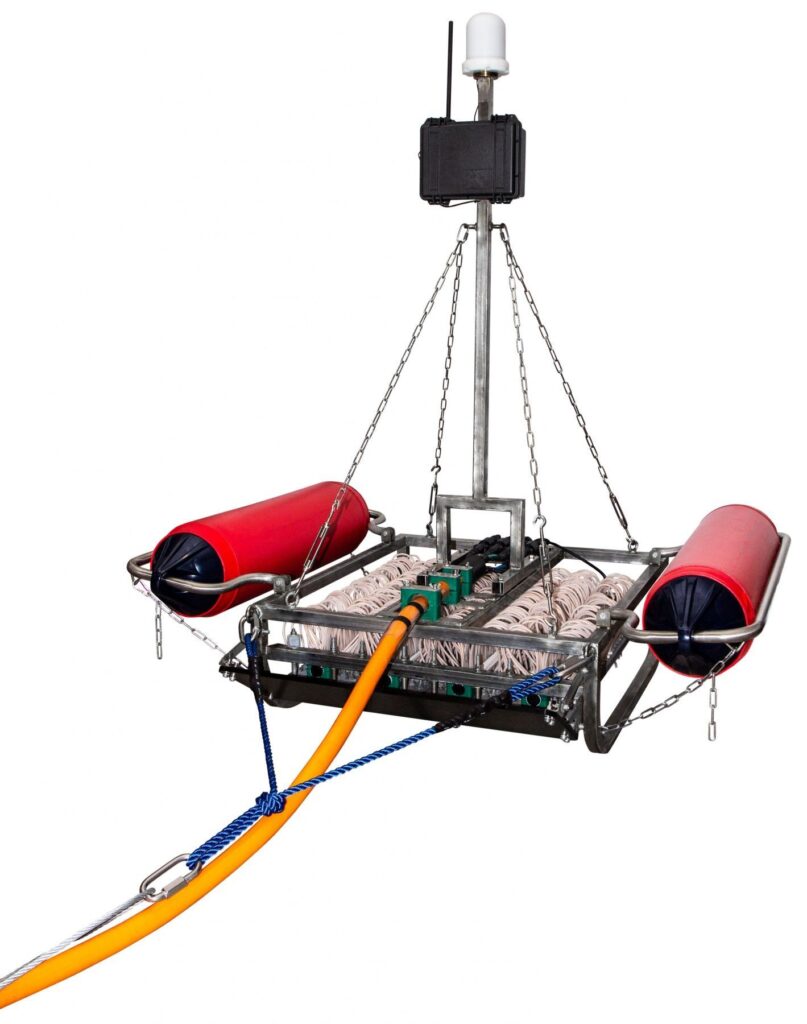
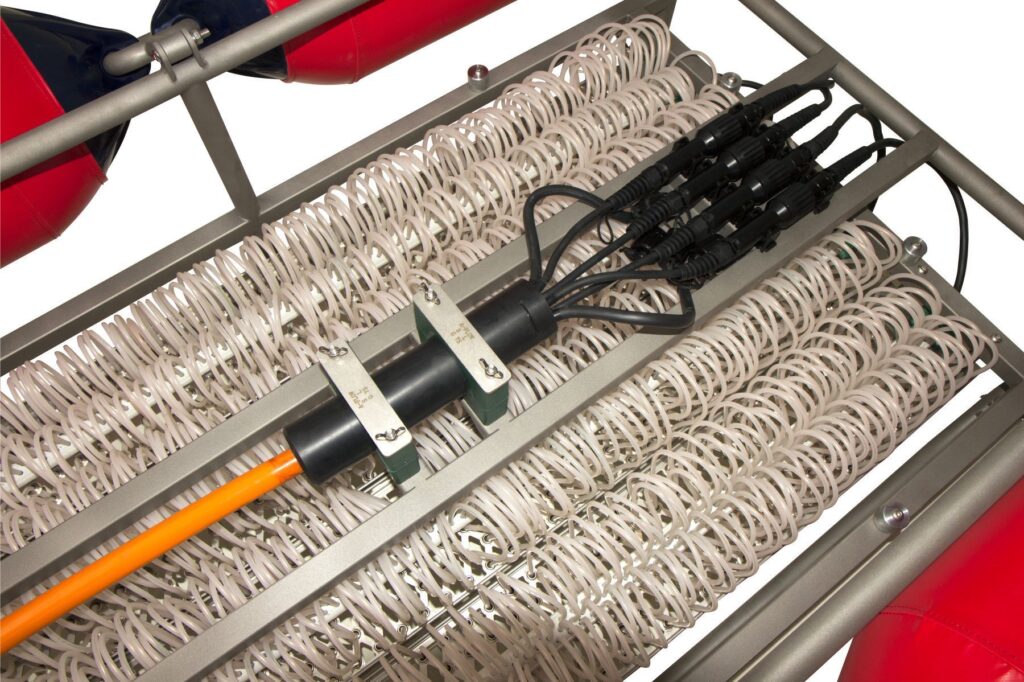
Marine sparkers are among most widely used high and ultra-high resolution seismic sources for reflection marine seismic surveys.
Modern sparkers are used for all types of engineering and scientific applications and operate in wide range of water depth – from first meters up to several kilometers, providing detailed, high-resolution images of subsurface.
GEODEVICE designs and produces full range of marine sparkers: starting from lightweight SWS-250 for shallow engineering purposes up to powerfull SWS-2500 for oceanology studies.
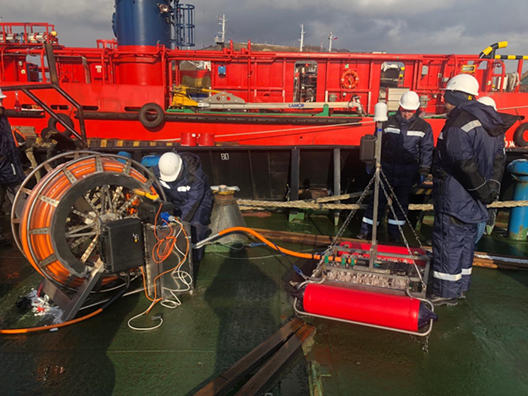
All our sparkers support industry standard 2D and 3D acquisition techniques and ensure succesfull long-term in-field operations due to:
- Exceptional signature repeatability
- Optimal towing depth with it’s easy adjustment if required
- Non-wearing electrodes due to negative discharge technology of MultiJack Energy Source
- Specific tip arrangement for optimal signal generation
- GPS installment tool for high-precision positioning
Review some of our most popular modifications:
SWS-500
- Applicable for 2D/3D surveys
- Vertical resolution up to 10 cm
- Operational depth range – 3 m to 1500 m
- Penetration up to 500 m below the seabed
- Applications:
- Geohazard assessment
- Renewable installations
- Engineering surveys
- Mineral explorations
- Stratigraphic studies
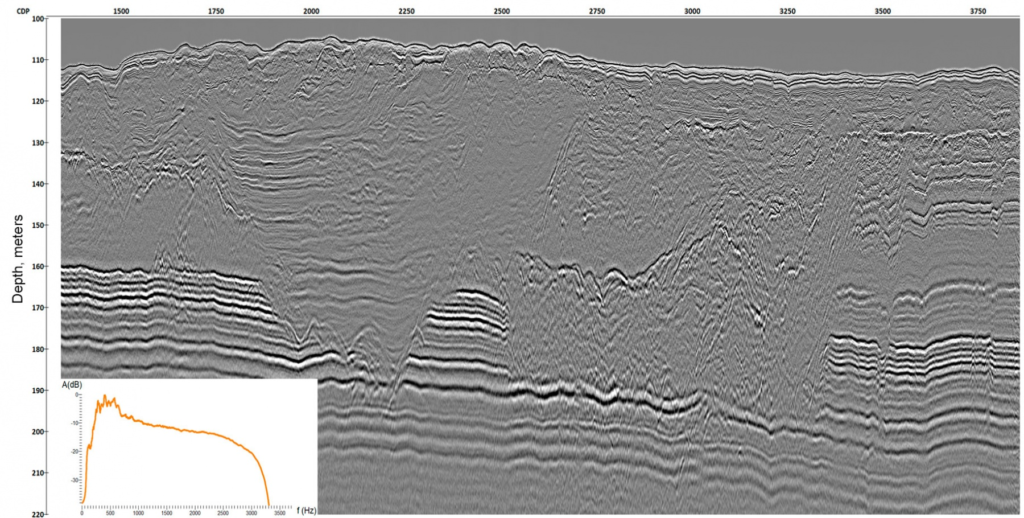
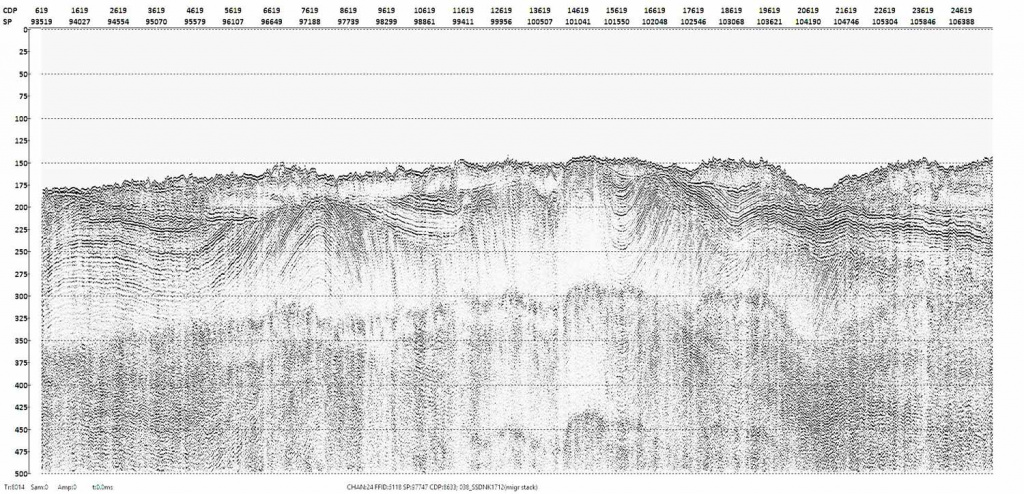
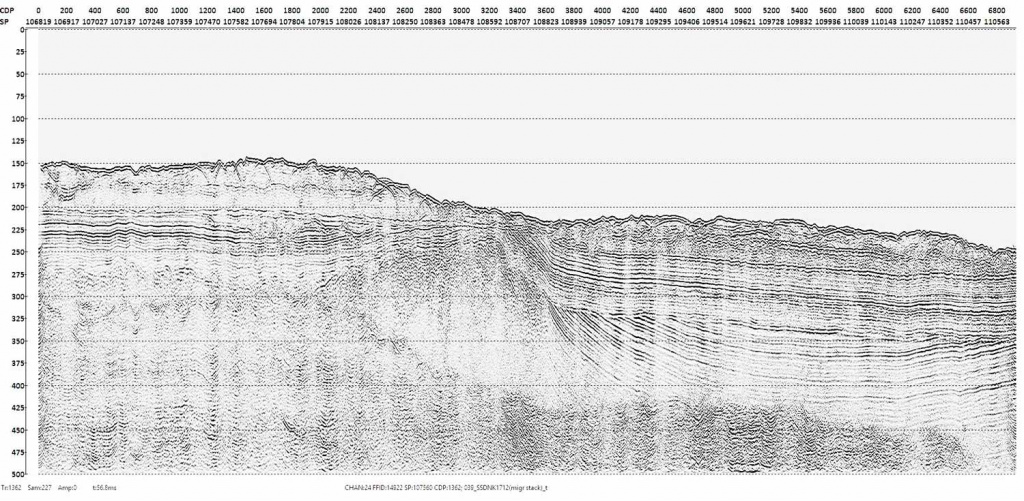
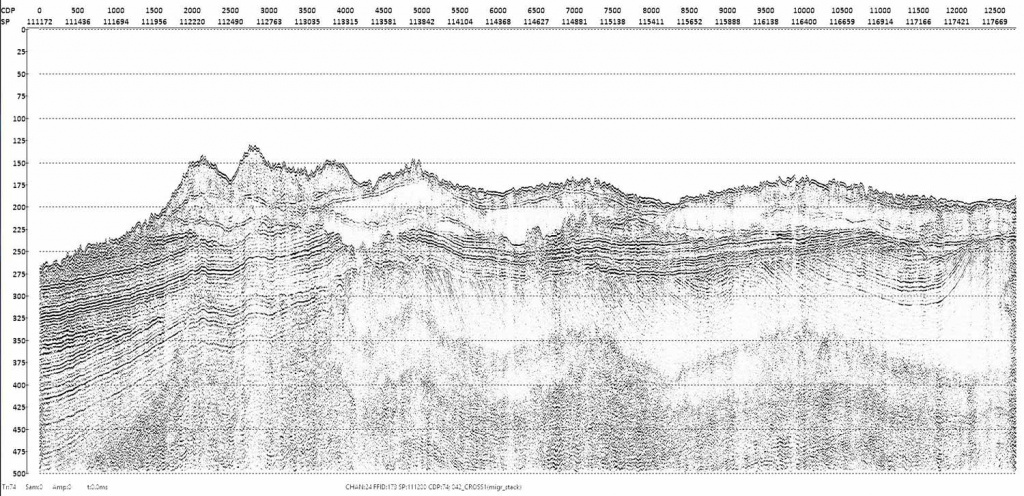
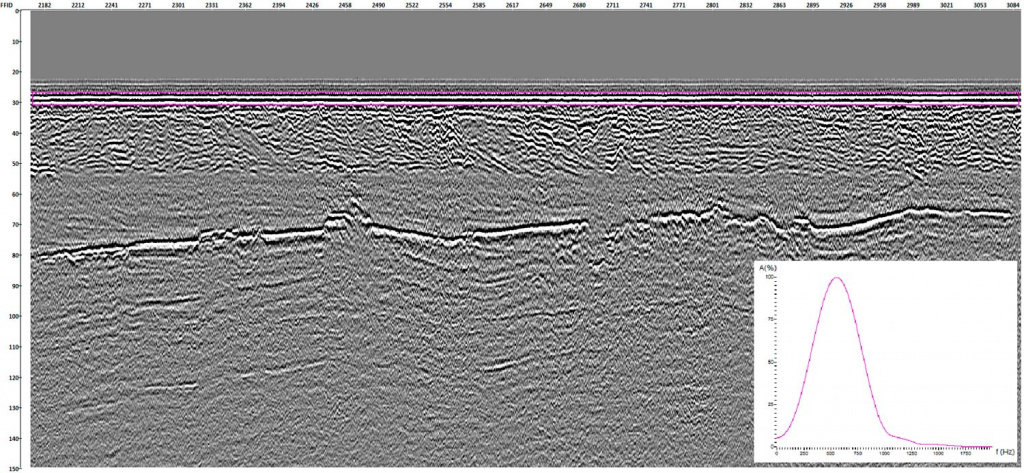
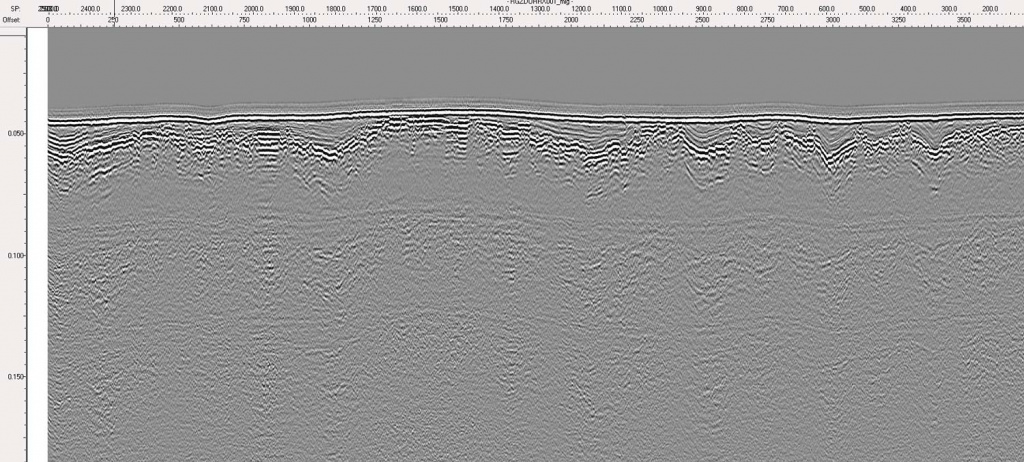
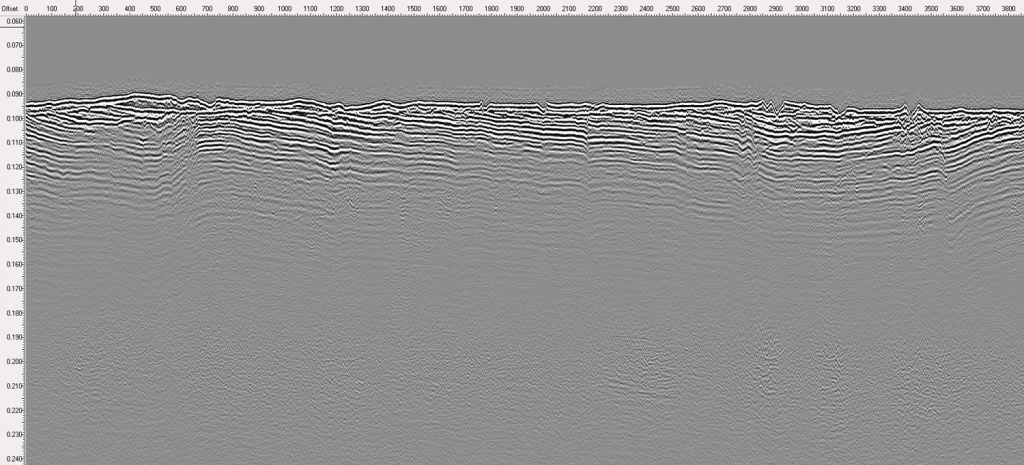
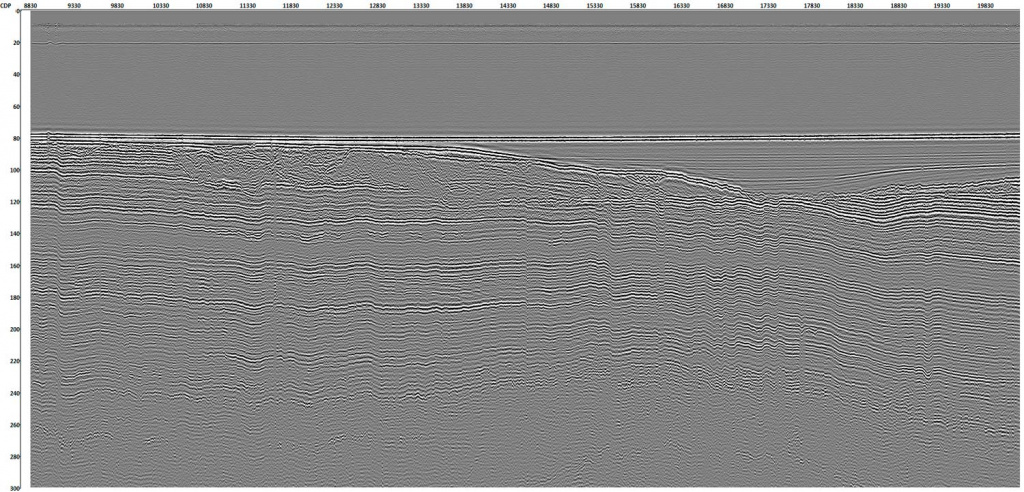
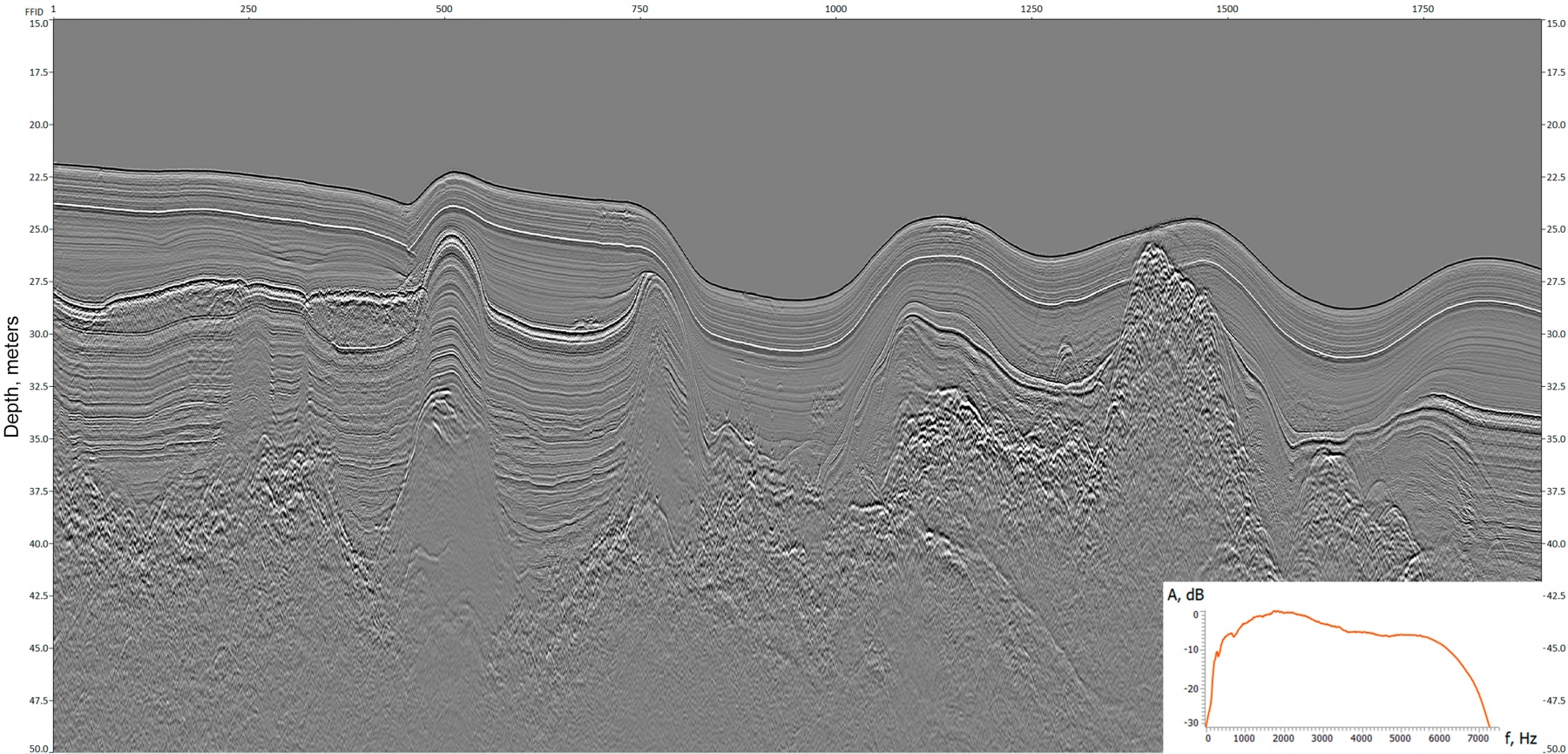
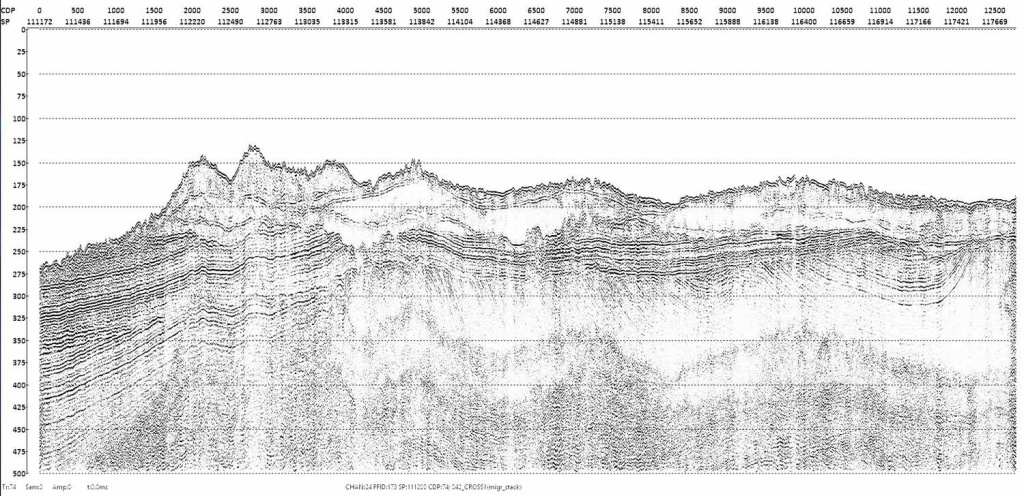
Data examples:
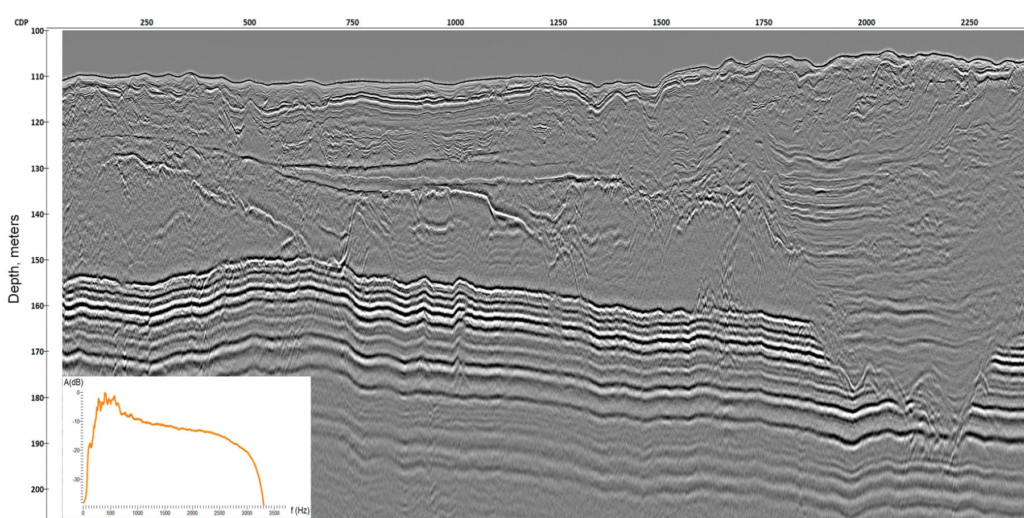
| Type | Model | Max energy | Levels | Max J at level | Tips at level | Groups at level | Recommended MultiJack | Recommended coaxial HV cable |
| Conventional marine | SWS-125 | 1 250 | 1 | 1250 | 126 | 2 | 1250HP1.5 | 2×10 |
| SWS-250 | 2 500 | 1 | 2500 | 252 | 4 | 2500HP3.0 | 4×12.5 | |
| SWS-500 | 5 000 | 1 | 5000 | 500 | 4 | 5000HP6.0 | 4×12.5 | |
| SWS-1000 | 10 000 | 1 | 10000 | 1008 | 4 | 10000HP12 | 4×12.5 | |
| SWS-2500 | 25 000 | 1 | 25000 | 2520 | 6 | 25000HP12 | 6×16.7 | |
| Dual-level marine sparkers | 2×SWS-250 | 5 000 | 2 | 2500 | 252 | 2 | 2×2500HP3.0 | 4×12.5 |
| 2×SWS-500 | 10 000 | 2 | 5000 | 504 | 4 | 10000HP12 or 2×5000HP6.0 | 2×(4×12.5) | |
| 2×SWS-1000 | 20 000 | 2 | 10000 | 1008 | 4 | 25000HP12 or 2×10000HP12 | 2×(4×12.5) | |
| 2×SWS-2500 | 50 000 | 2 | 25000 | 2520 | 6 | 50000HP12 or 2×25000HP12 | 6×50 | |
| Triple-level marine sparkers | 3×SWS-250 | 7 500 | 3 | 2500 | 252 | 2 | 3×2500HP3.0 | 6×16.7 |
| 3×SWS-500 | 15 000 | 3 | 5000 | 504 | 2 | 3×5000HP6.0 | 6×16.7 | |
| 3×SWS-1000 | 30 000 | 3 | 10000 | 1008 | 2 | 3×10000HP12 | 6×50 | |
| 3×SWS-2500 | 75 000 | 3 | 25000 | 2520 | 2 | 3×25000HP12 | 6×50 |
DWS sparker for deep-towed high-resolution systems
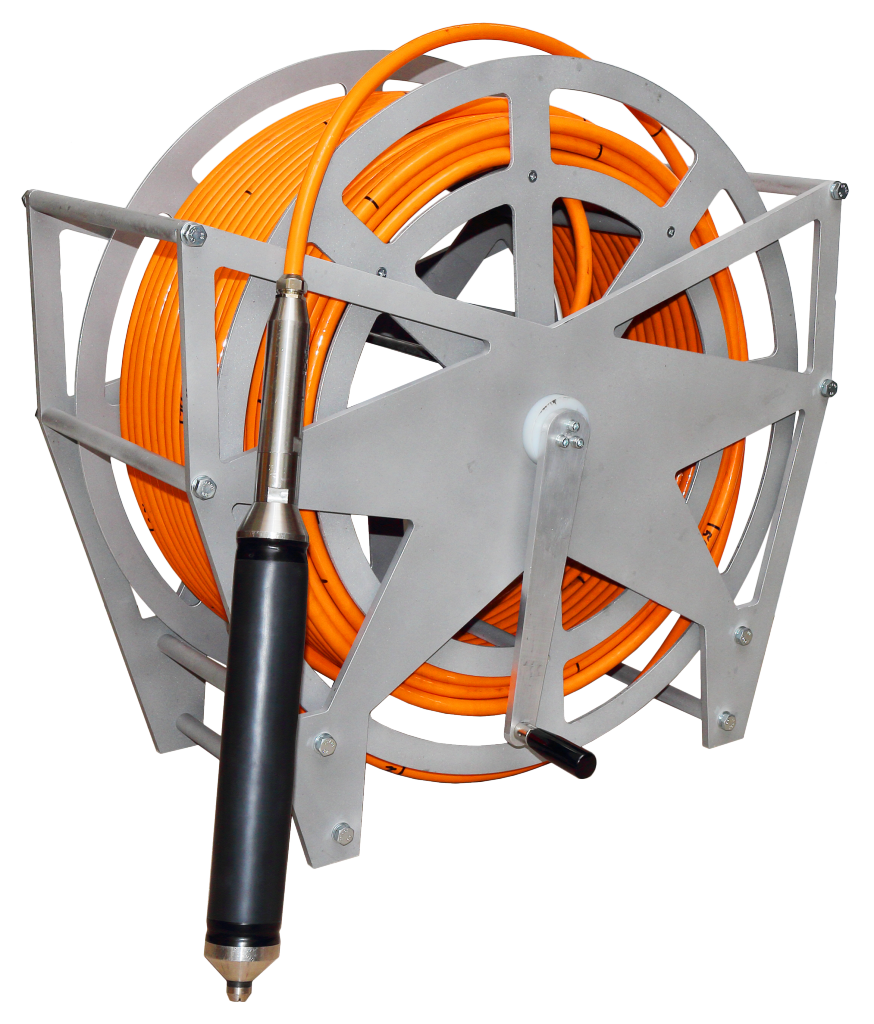
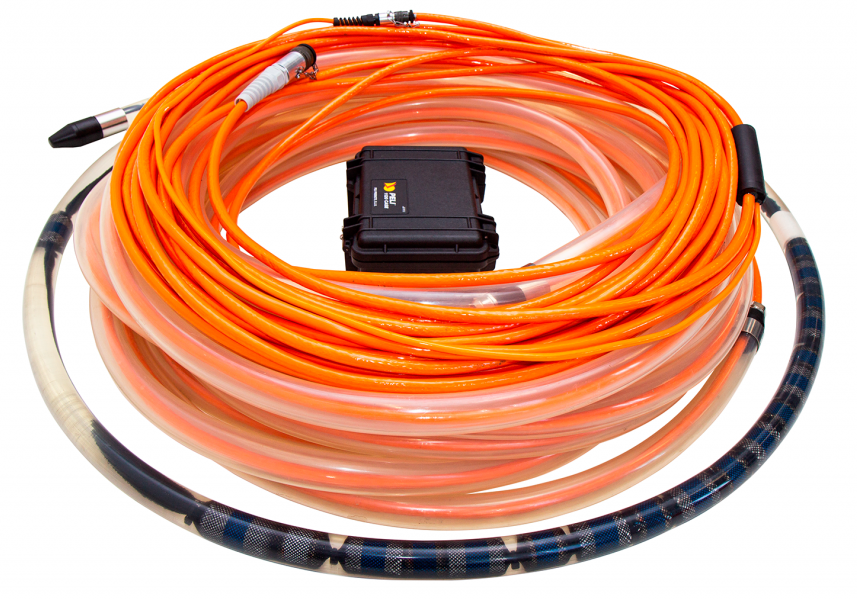
Towed HRStreamer for high resolution and ultra-high resolution marine seismic
- Suitable for all types of HR/UHR surveys
- Supports optimal towing depth, slanted cable and deep tow acquisitions
- High sensitive hydrophones, protected from acceleration noise
- AVO friendly
- Custom configurations available
HRStreamer is an easy-to-operate seismic streamer, which perfectly suits for basic UHR/HR marine seismic surveys.
HRStreamer is protected from acceleration noises and allows to receive broadband signal in 10-10000Hz frequency range, which ensures registering the signal from UHR sources without any high frequency energy loses.
Main advantage of the streamer is its flexibilty in terms of group adjustment. We designed unique streamer, which can be applied for wider depth range without loss of resolution comparing to traditional single-channel streamers.
We use 4 groups with variable length, starting from the pure single hydrophone group and ending up with 48 hydrophones per group. These groups receive signal separately and can be used on its own or/and stacked together to increase signal-to-noise ratio.
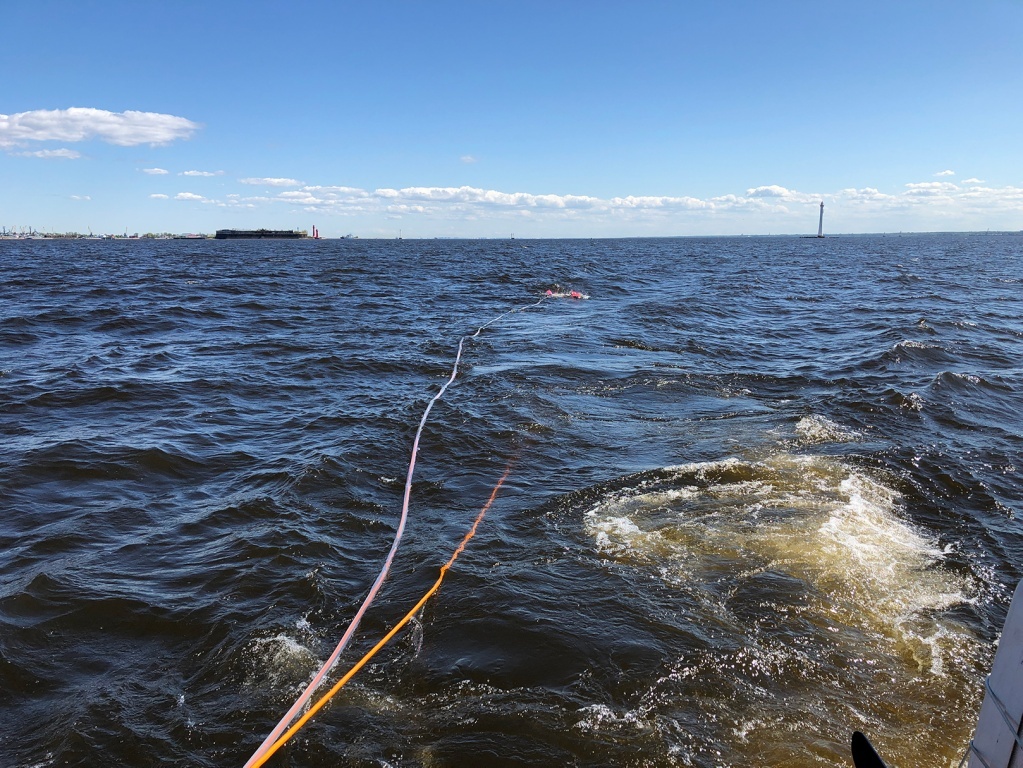
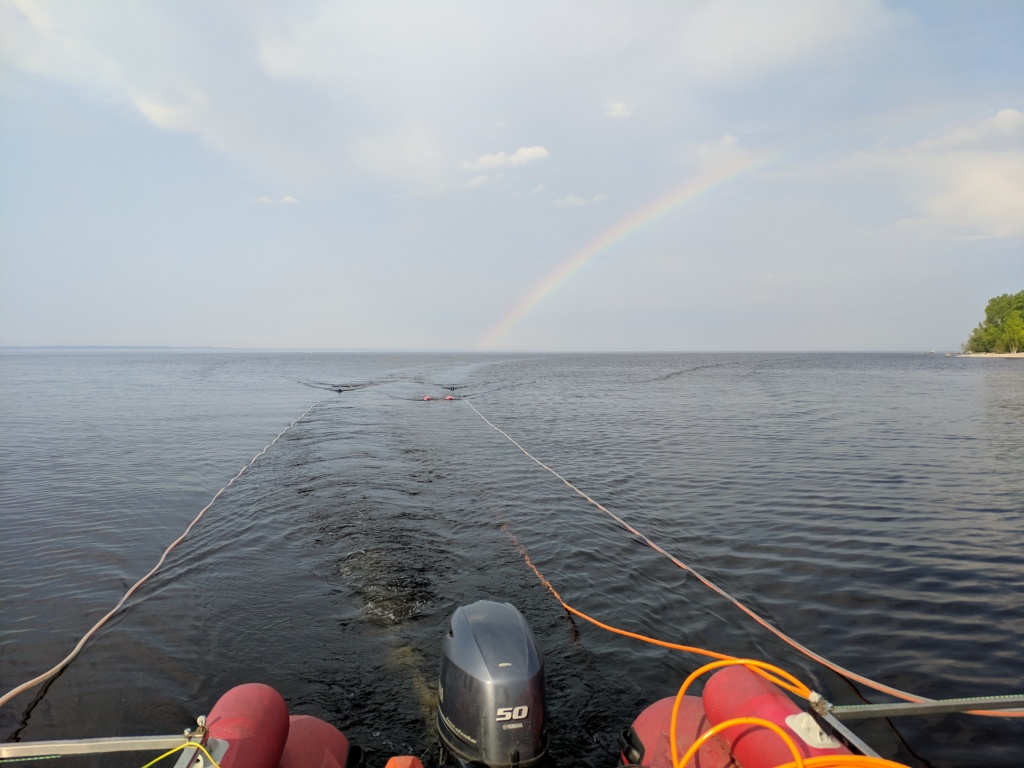
Single channel HRStreamer can be easily placed on a small boat and deployed/retrieved by a single person.
Key features:
- Wide depth range application due to variable length of hydrophone groups
- Broadband signal registration: 10-10000 Hz
- Towed buoys with positioning system
- Noise acceleration protection
- Environmental and shipping friendly (non-flammable filler)
- Can be used with any HR/UHR source (sparker, boomer)
- Easy to operate and maintenance
In addition to HRStreamer the following items can be purchased:
- High-frequency seismic station
- Deck winch
- Towed buoys with positioning system
- Paravan for 3D system
- Towed sparkers and boomers with MultiJack energy sources
- Software for quality control and data processing
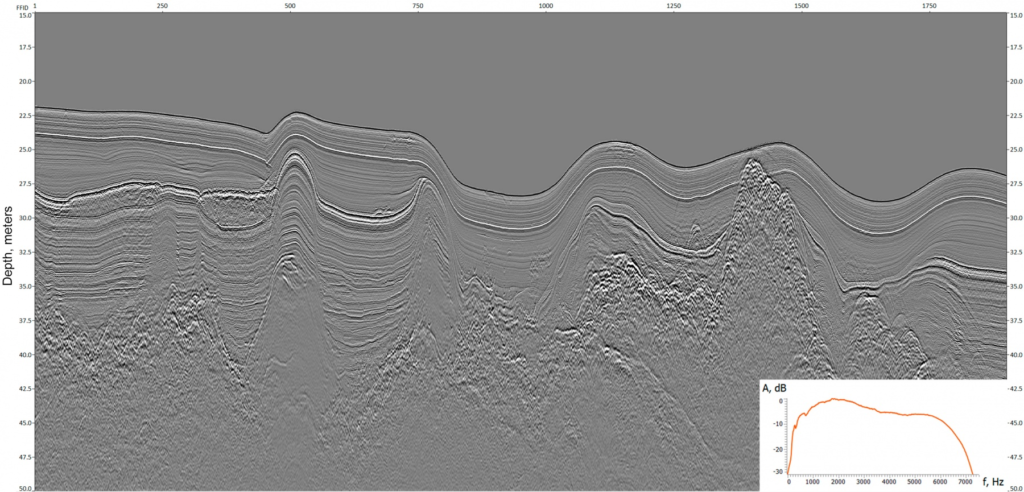
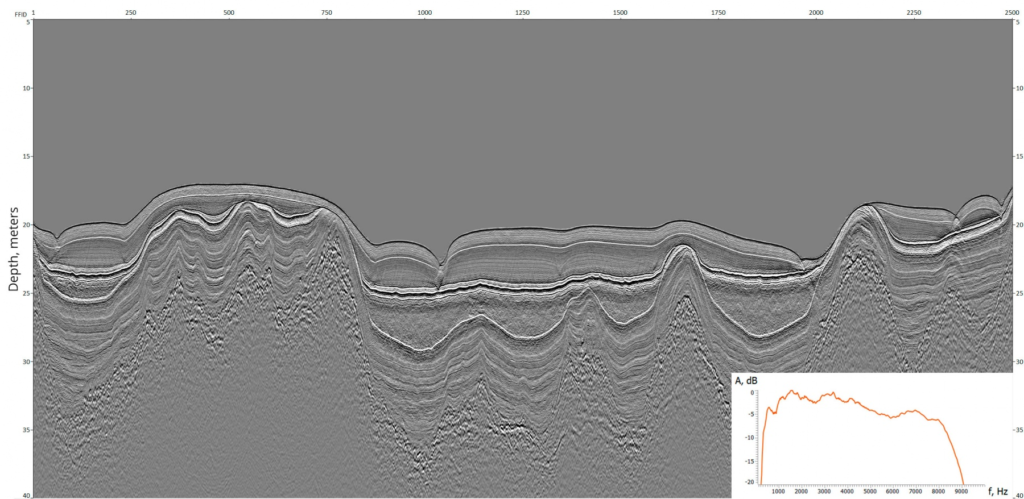
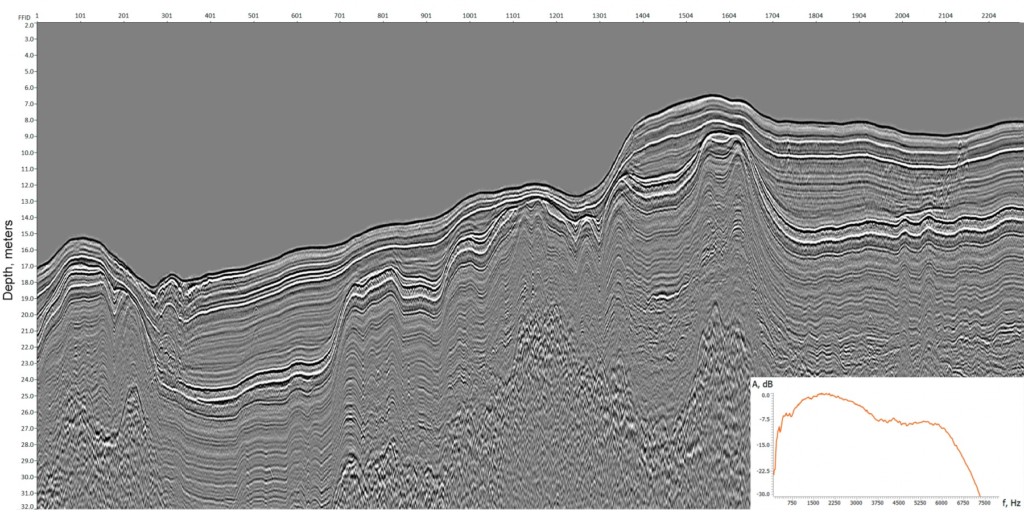
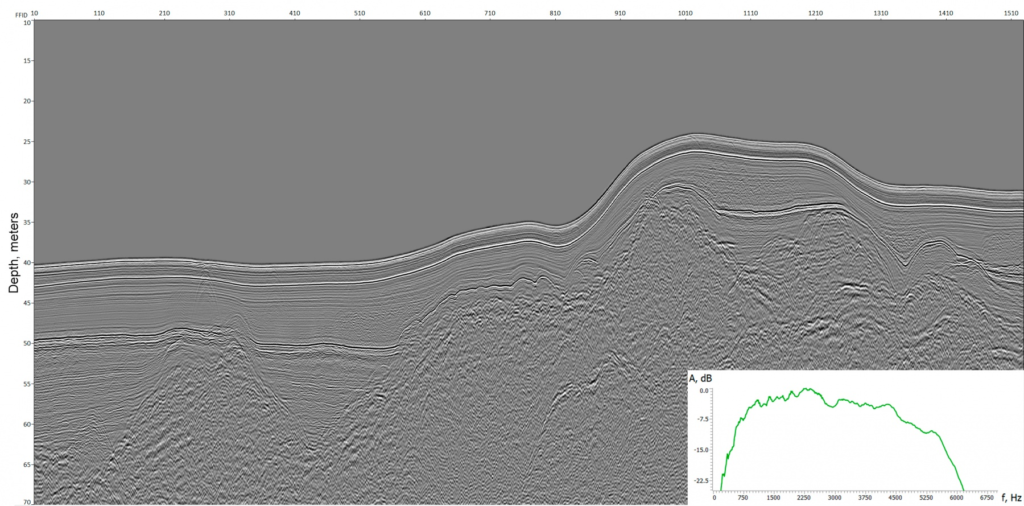
Lake, G-Boomer HF source, MultiJack-500HP1.5 energy source, HRStreamer:
| Cable system | |
| Type | linear with preamplifiers |
| Number of channels | 1-4 |
| Channel spacing | as agreed |
| End connector type | as agreed |
| External diameter | 32 mm |
| Piezoelectric element | |
| Operating frequency range | 10 – 10 000 Hz |
| Sensitivity | 180 uV/Pa |
| Capacity | 4000 pF |
| Maximum operating pressure | 40 atm |
| Preamplifier | |
| Type | low-noise asymmetric |
| Gain | 6 dB |
| Current consumption per channel | 10 mA |
| Output impedance | 395 Ohm |
| Supply voltage | ±12 V, bipolar |
| Maximum output level | ±3.8 V |
| RMS voltage of the intrinsic electrical noise, given by output, in the operating frequency band | ≤10 mkV |
| Operation conditions | |
| Operating temperature range | -10 ÷ +70 °С |
| Storage temperature range | -40 ÷ +70 °С |
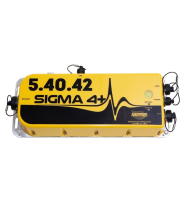
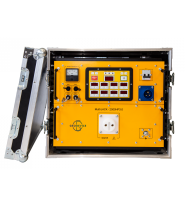
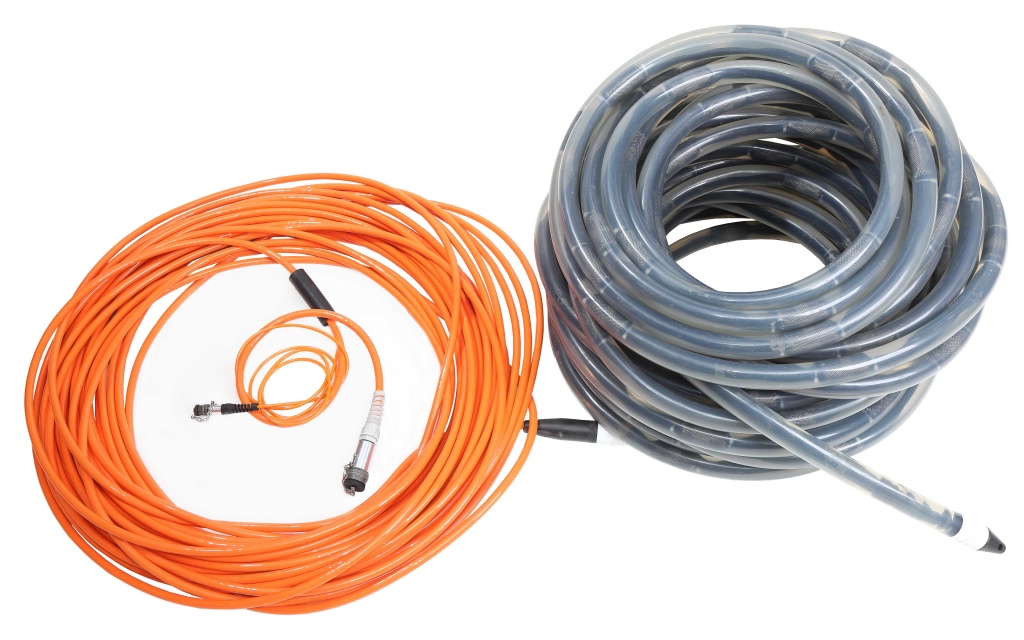
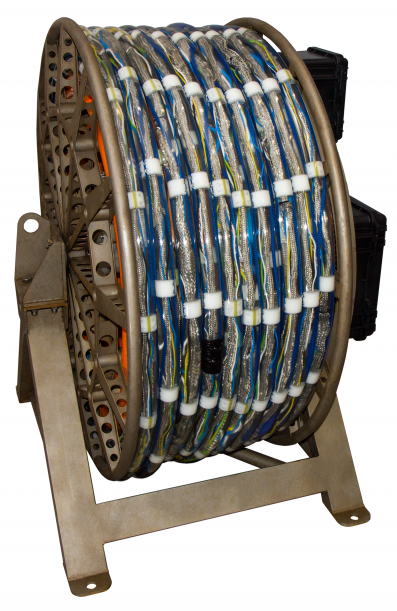
Multichannel towed hydrophone streamers HRStreamer-24 and HRStreamer-48
- Registration in a wide frequency range
- Acceleration-insensitive hydrophones
- Groups or single receivers
- Low-noise preamps
- Optional pressure sensors
- Eco-friendly and safe filler
Multichannel HRStreamer is an easy to operate robust hydrophone array with up to 48 channels. We produce streamers with various group spacing, depending on the acquistion task – it can be 1 m, 2 m, 3.125 m or 6.25 m between groups.
Number of channels in the streamer and separation between them mostly depends on the required resolution of the study. Typically, stratigraphy and shallow gas detection surveys are performed with 48 channel streamers with 3.125 m separation in between. Studies, which require identification of finer details, such as boulder detection for windfarm installations, are performed with 1 or 2 meter separation between the channels, resulting in 0.5/1 meter bin size.
Hybrid hydrophone spacing, which is also available for manufacture, could provide a good trade-off between streamer length and trace density in the upper part of the section.
All hydrophones are protected from acceleration to ensure the lowest noise level, resulting in high quality seismic images.
HRStreamer is suited for all types of modern high resolution acquisitions, such as conventional surveys with optimal towing depth or slanted cable. Maximum allowable working pressure of 40 atm also allows to use HRStreamer for deep towed marine acquisition surveys. High accuracy depth control sensors, distributed along the receiver array provide exact measurements of streamer towing depth in real time to meet your acquisition expectations.
For the best storage and usage experience all mutichannel streamers are supplied on deck winches. Manual and automatic versions of reels are available for purchase.
Key features:
- Applicable for all modern HR/UHR seismic surveys
- Compatible with all types of high-resolution seismic sources
- Towing depth control
- Broadband signal registration: 10-10000 Hz
- Noise acceleration protection
- Environmental and shipping friendly (non-flammable filler
Package contents:
- Seismic streamer
- Tow cable
- Tensioner with draw bar
- Battery pack
- Battery charger
- Technical documentation
- Low-noise power supply (optional)
- Built-in pressure sensors and INS (optional)
Marine (SWS), freshwater (FWS) or deep-water (DWS) sparkers are used as high-frequency sources along with MultiJack energy sources. Data logging is provided by multi-channel high-frequency seismic stations. Specially designed SDW deck winches ensure the safety and convenience of performing descent lifting operations, towing and storage of streamers.
In addition to HRStreamer the following may be purchased:
- Towed buoys with positioning system
- Paravane for diverting the streamer from the wake or creating a 3D observation system
- Software for quality control and data processing
To select the right configuration of the streamer or to draw up a technical specification for the purchase / rental of a complete equipment set for performing the survey, contact us in any way specified on the website. The data processing capabilities can be found here. We can also provide training for your staff in equipment and data processing skills as well as accompany or launch your project.
| Streamer | |
| Type | linear with pre-amplifiers |
| Number of channels | 24 or 48 |
| Interval between channels | as agreed |
| Type of end connector | as agreed |
| Outer diameter | 42 mm |
| Piezoelectric element | |
| Operating frequency range | 10 – 10 000 Hz |
| Sensitivity of piezoelectric element | 180 dB |
| Capacitance of piezoelectric element | 4000 pF |
| Maximum operating pressure | 40 atm |
| Preamplifier | |
| Type | low-noise asymmetric |
| Gain factor | 6 dB |
| Current consumption per channel | 10 mА |
| Output impedance | 395 Ohm |
| Supply voltage | ±12 V, bipolar |
| Maximum output level | ±3.8 V |
| RMS voltage of the intrinsic electrical noise, given by the output, in the operating frequency band | ≤10 mkV |
| Operation conditions | |
| Operating temperature range | -10 ÷ +70 °С |
| Storage temperature range | -40 ÷ +70 °С |
BHStreamer − Bottom hydrophone streamer
- Streamlined solid-state design
- Wide frequency range (1 ÷ 8 000 Hz)
- Low-noise preamps
- Optional pressure sensors
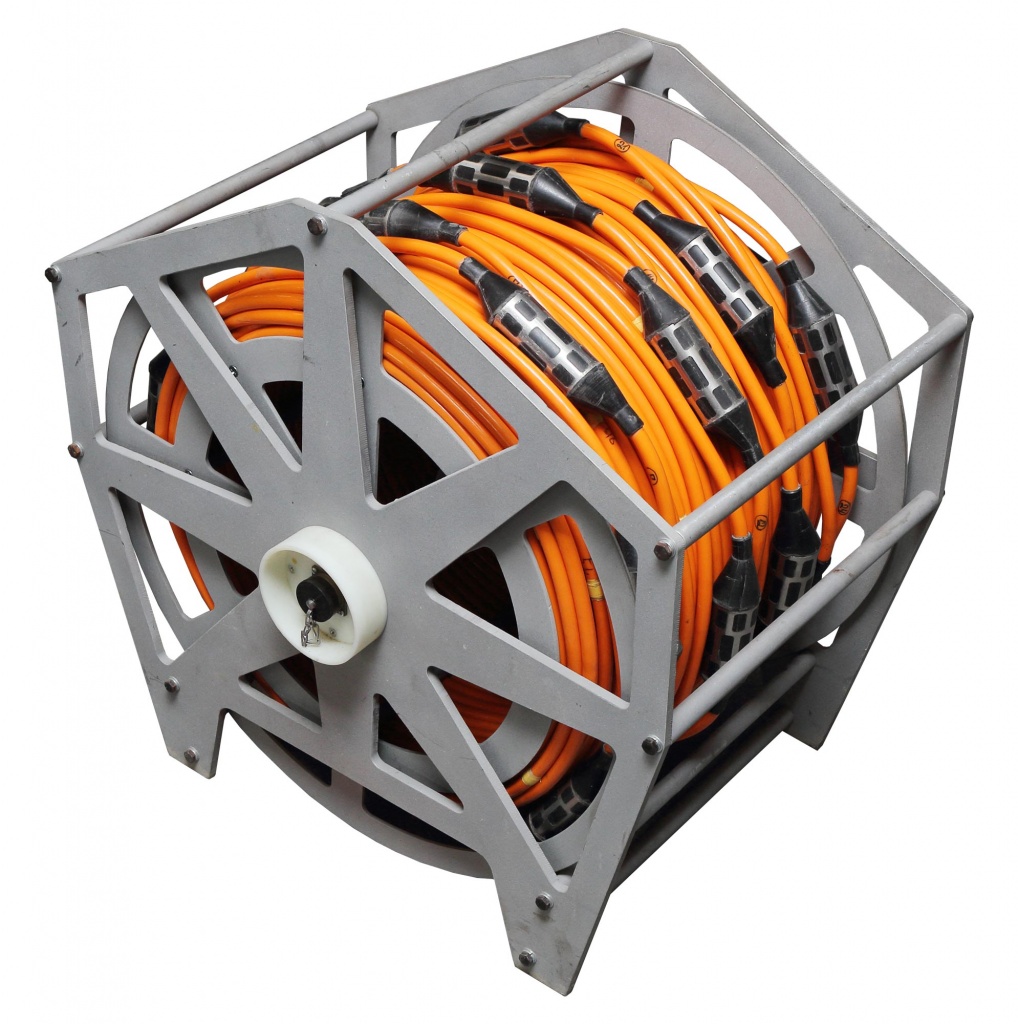
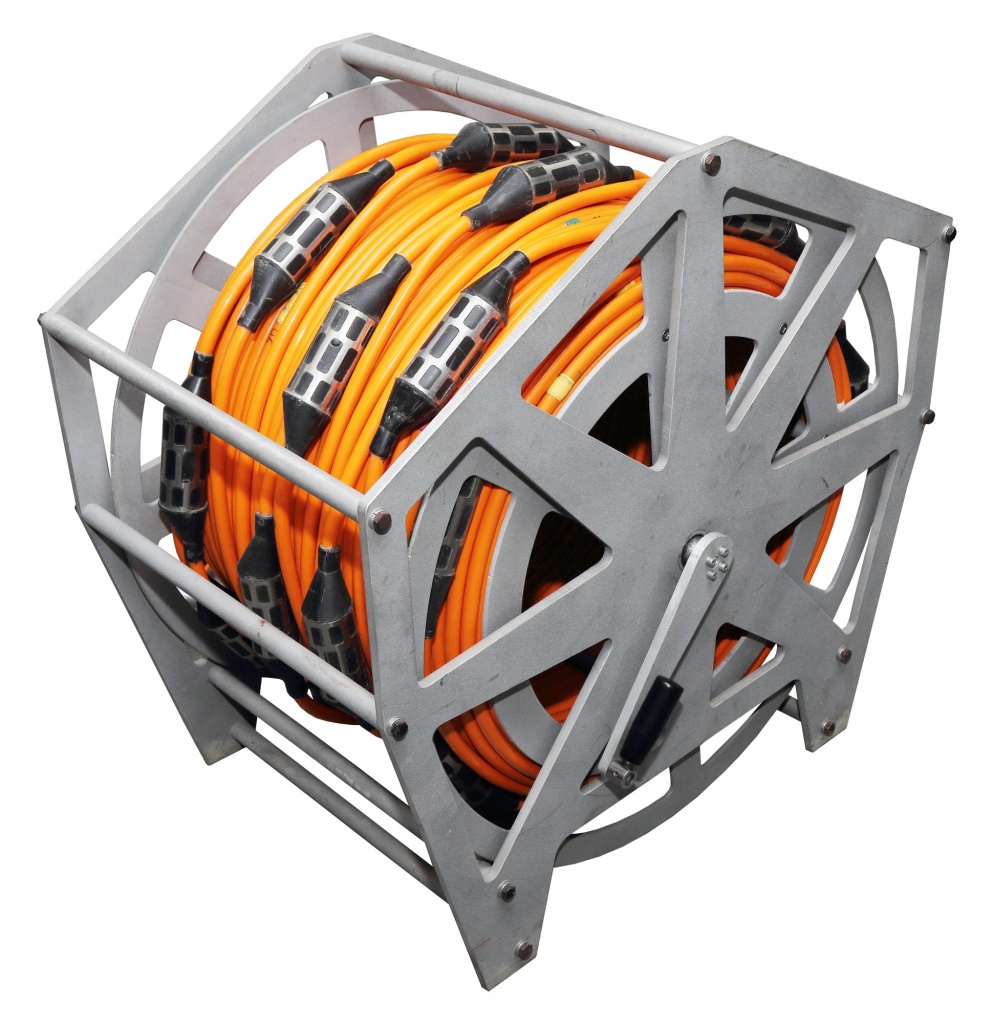
BHStreamer – a universal bottom hydrophone streamer designed for performing seismic surveys or monitoring in the water area. The streamer is manufactured in 24-channel or 48-channel versions with any pitch between single quick-response and acceleration-insensitive hydrophones. High-quality data is also ensured by low-noise preamps on each channel, shielded cables and a solid-state streamlined design without any cable tails.
A wide frequency range (1 ÷ 8 000 Hz) provides registration of all types of waves, including Scholte ones, which can be used to determine the velocities of guided S-waves in the upper part of the section via UMASW (Underwater Multichannel Analysis of Surface Waves) method.
BHStreamer can be connected to any modern linear seismograph – just provide us with the model of it so that we can install a compatible connector and ensure its correct pin arrangement.
While performing data processing, it becomes especially important to describe the acquisition layout, for which it is necessary to be capable to calculate the position of each hydrophone on the bottom. In shallow waters, this problem is resolved by simple referencing of each channel with standard features. At depths of more than 1 m, the coordinates can be calculated using optionally installed pressure sensors with the necessary step along the streamer or by calculating the RP coordinates through a direct wave from the source.
Specifically, for the BHStreamer we have developed 2 versions of shielded load-bearing cables with longitudinal sealing. The durable polyurethane cable sheath remains flexible in all weather conditions, does not break down on deck from UV light, is ideal for seawater and provides excellent maintainability. Kevlar reinforcement and stainless-steel Kellems grip installed at the beginning and end of the streamer ensure the safety and convenience of installing the receiving line on the bottom, using an anchor fixed at the end of the streamer, and its reliable fastening on the ship.
Power to the pre-amplifiers located in the immediate vicinity of the hydrophones is provided by the included battery pack or an optional low-noise power supply.
Marine (SWS), freshwater (FWS) or deep-water (DWS) sparkers along with MultiJack energy sources are used as high-frequency sources as well as seismic guns with civilian blank cartridges.
Package contents:
- Seismic Streamer
- Battery pack
- Battery charger
- Low-noise power supply (optionally)
- Reel or winch (optionally)
- Pressure sensors (optionally)
To select the right configuration of the streamer or to draw up a technical specification for the purchase or rental of a complete equipment set of equipment for performing the survey, contact us in any way specified on the website. The data processing capabilities can be found here. We can also provide training for your staff in equipment and data processing skills as well as accompany or launch your project.
| Streamer | |
| Type | linear with pre-amplifiers |
| Number of channels | 24 or 48 |
| Geophone group interval | 2, 4 and 5 m or as agreed |
| Type of end connector | as agreed |
| Outer diameter | 42 mm |
| Piezoelectric element | |
| Operating frequency range | 1 – 8 000 Hz |
| Sensitivity of the piezoelectric element | 180 mkV/Pa |
| Capacitance of the piezoelectric element | 4000 pF |
| Maximum operating pressure | 40 atm |
| Preamplifier | |
| Type of pre-amplifier | low-noise asymmetric |
| Gain factor | 6 dB |
| Current consumption per channel | 10 mА |
| Output impedance | 395 Ohm |
| Supply voltage | ±12 V, bipolar |
| Maximum output level | ±3.8 V |
| The root-mean-square voltage of the intrinsicelectrical noise, given by the output, in the operating frequency band | ≤10 mkV |
| Operation conditions | |
| Operating temperature range | -10 ÷ +70 °С |
| Storage temperature range | -40 ÷ +70 °С |
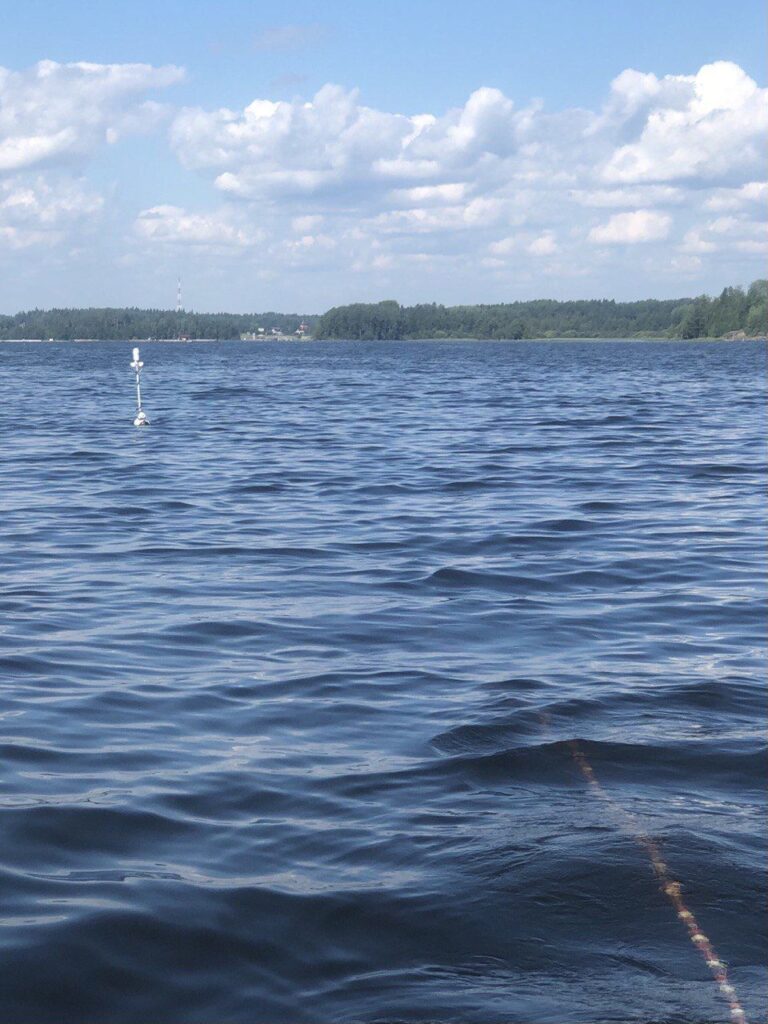
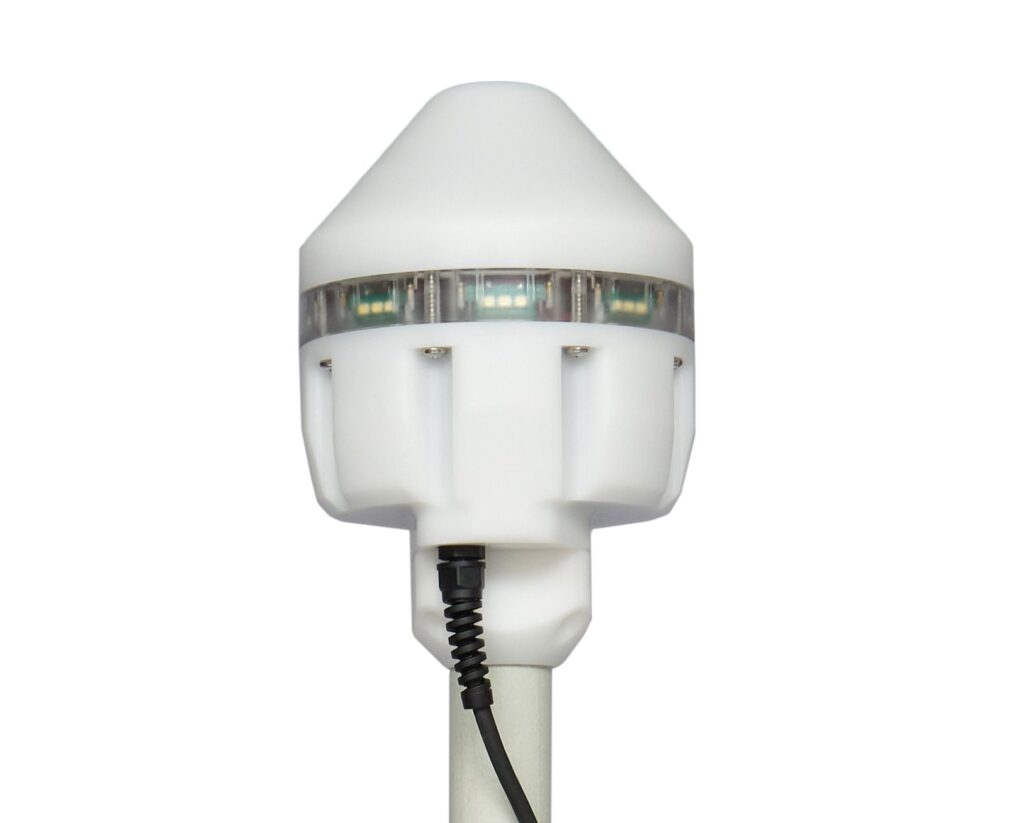
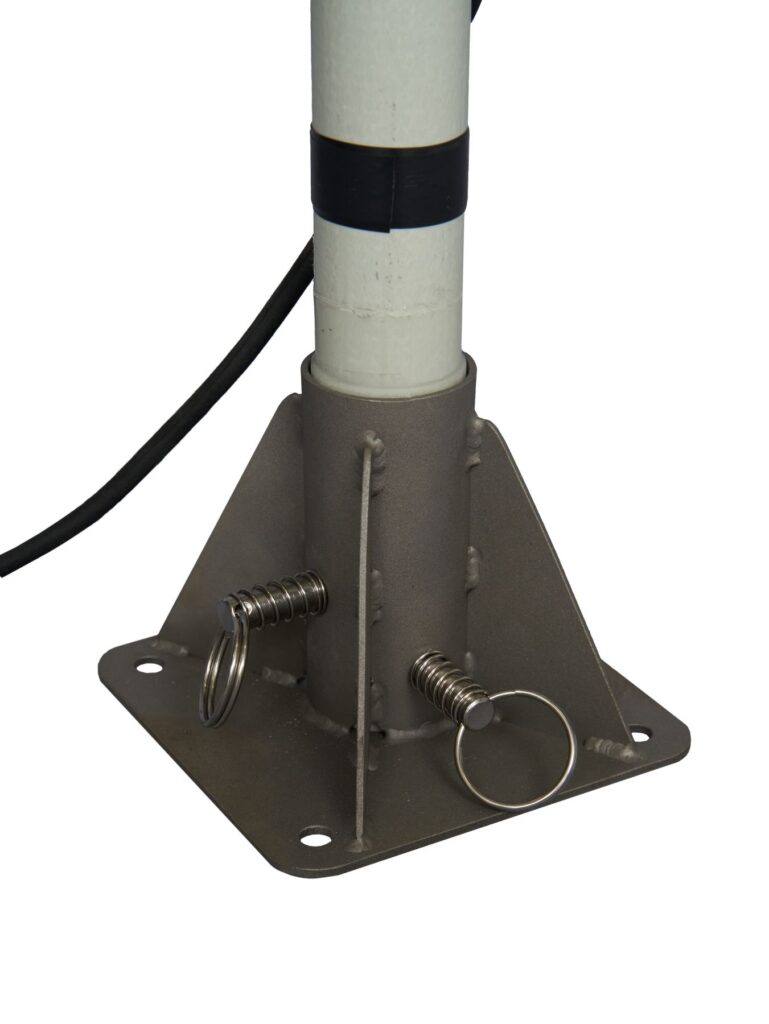
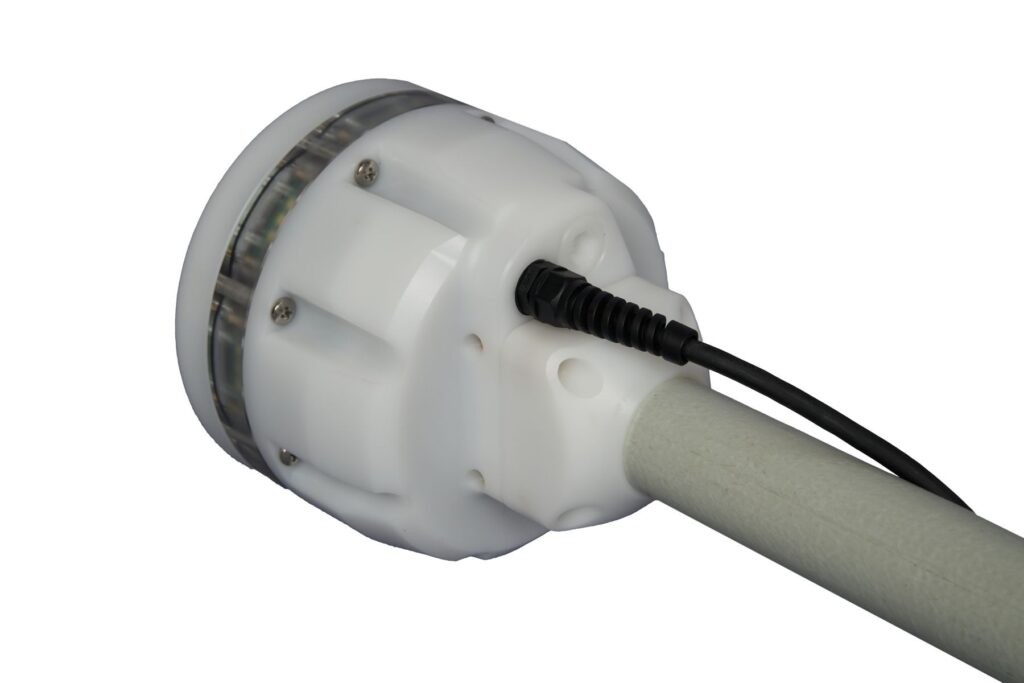
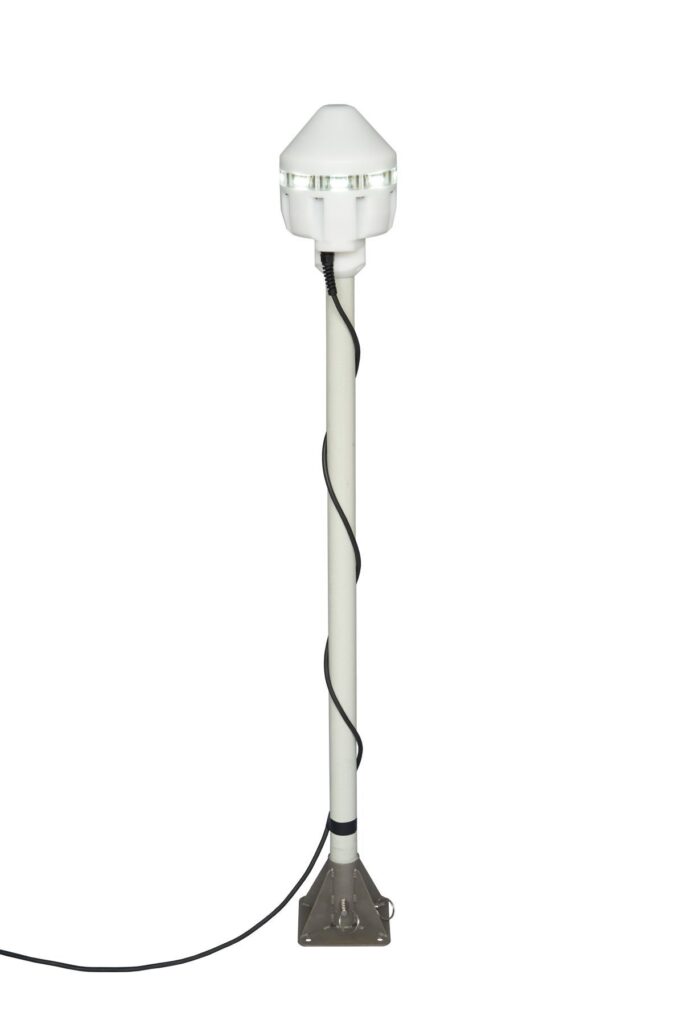
Front and tail buoys
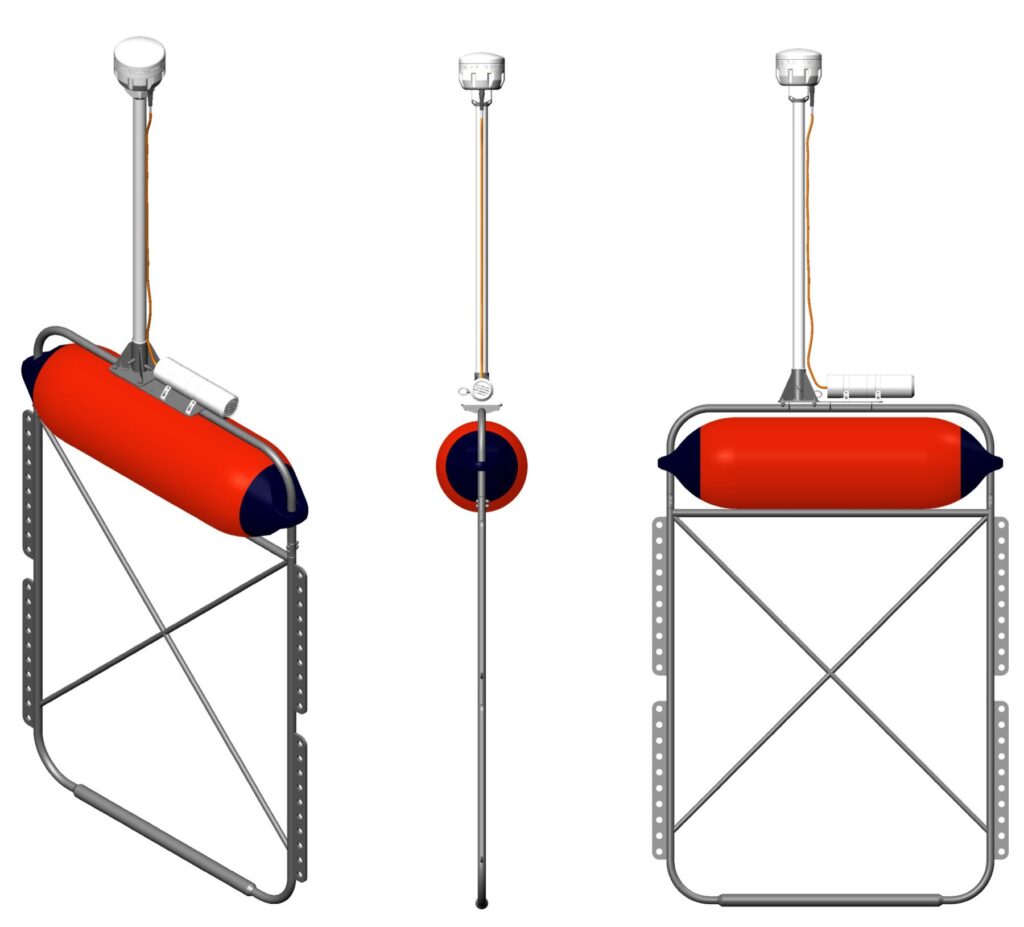
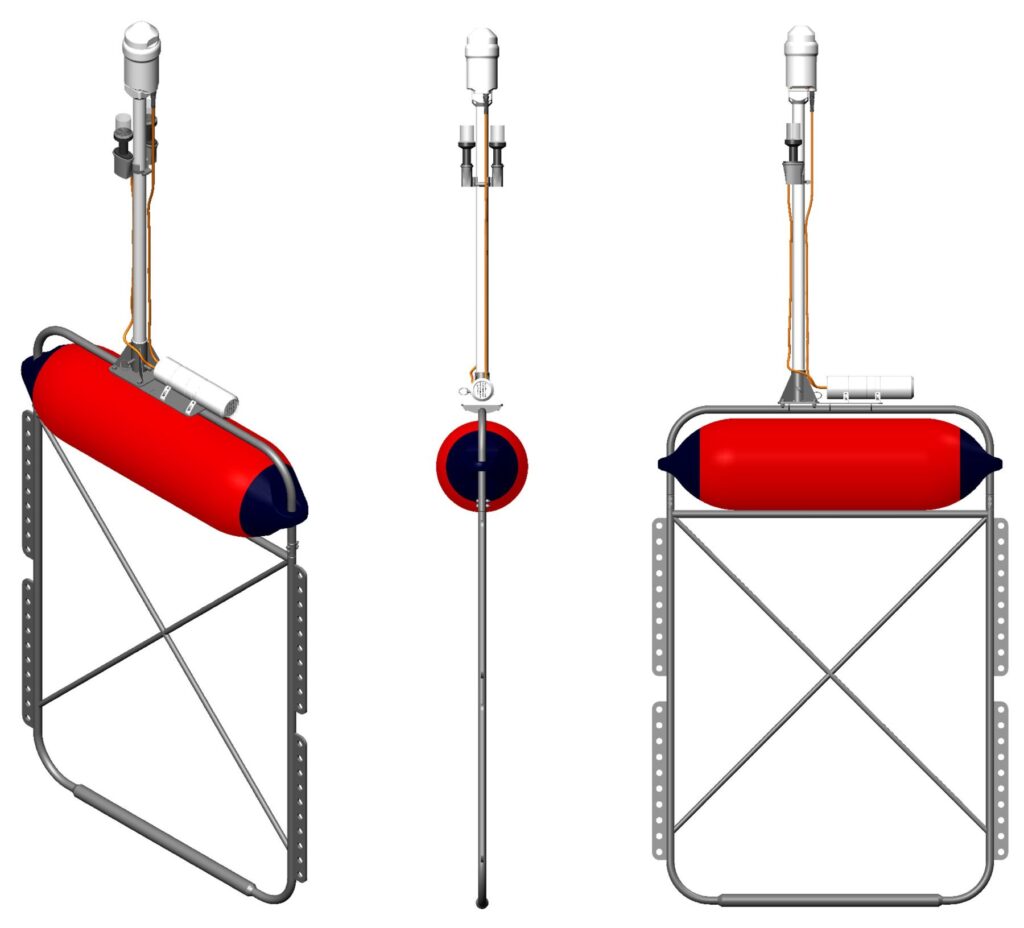
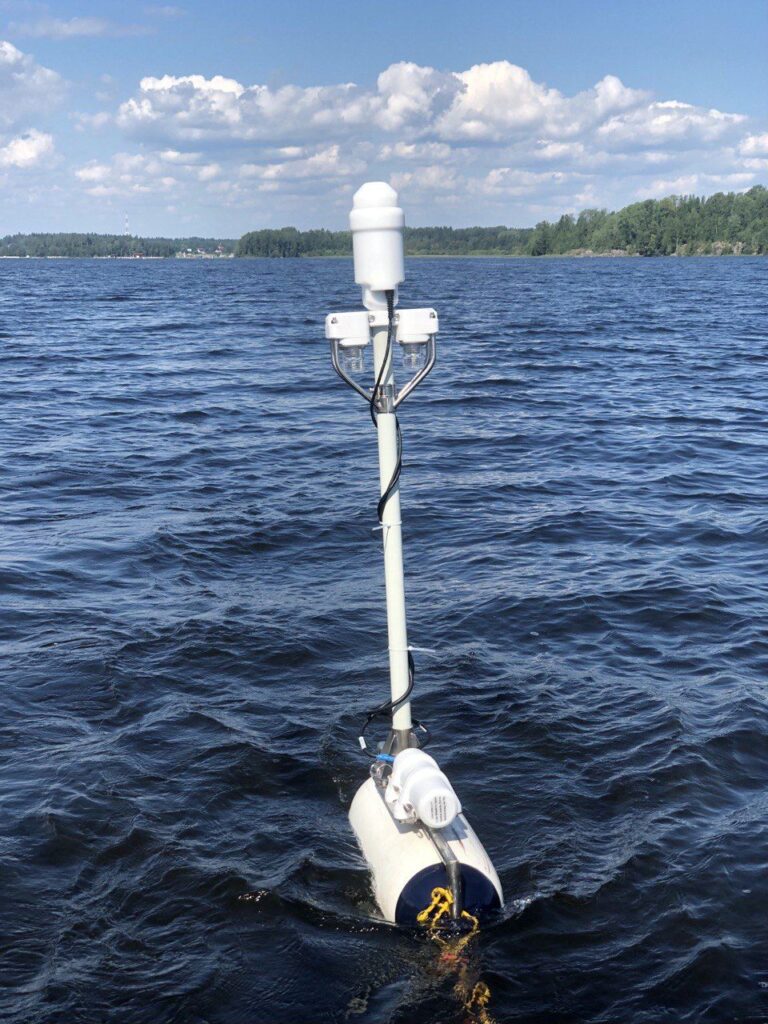
Multi-band L1/L2 RTK/PPK GNSS receivers NK and FD for geophysical and hydrographic applications
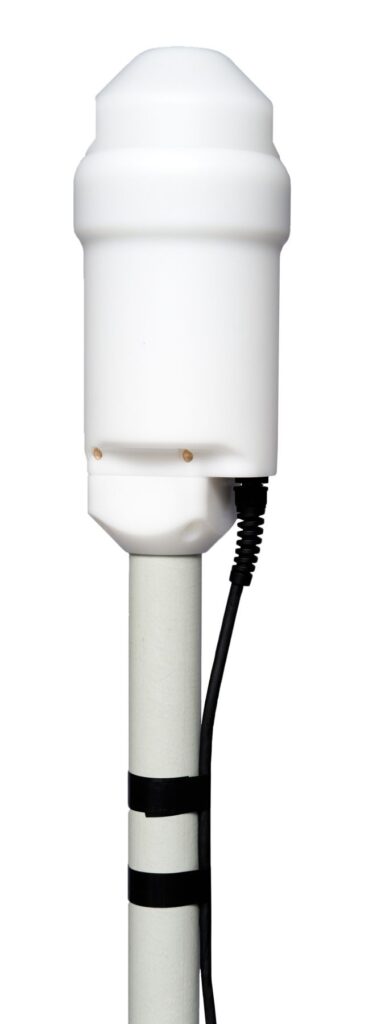
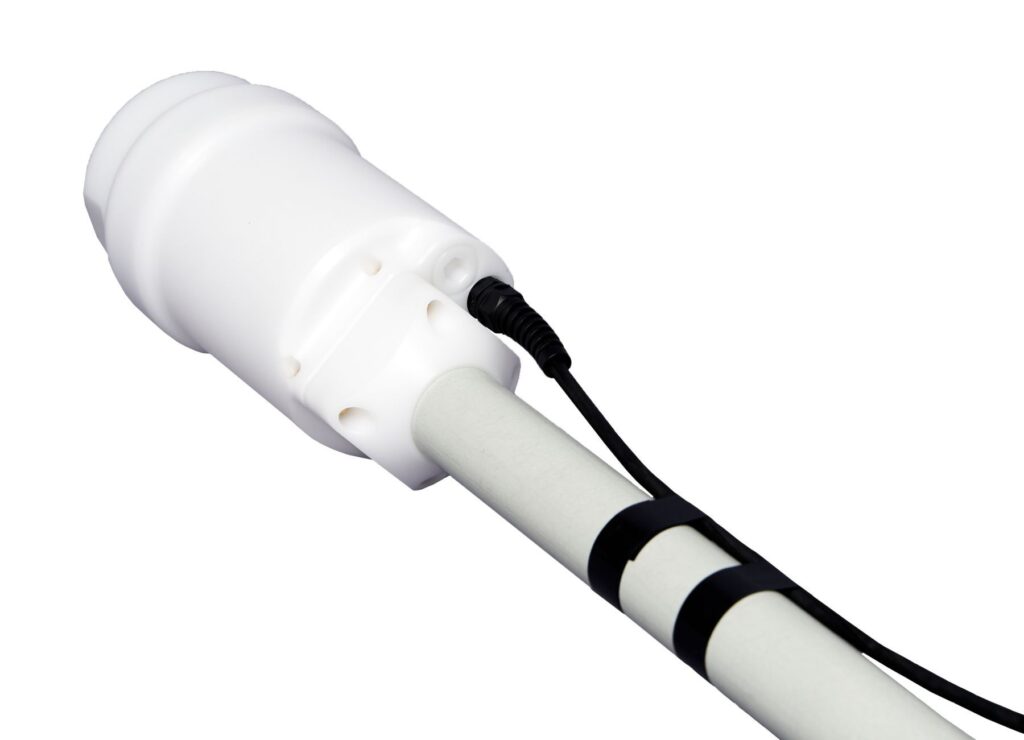
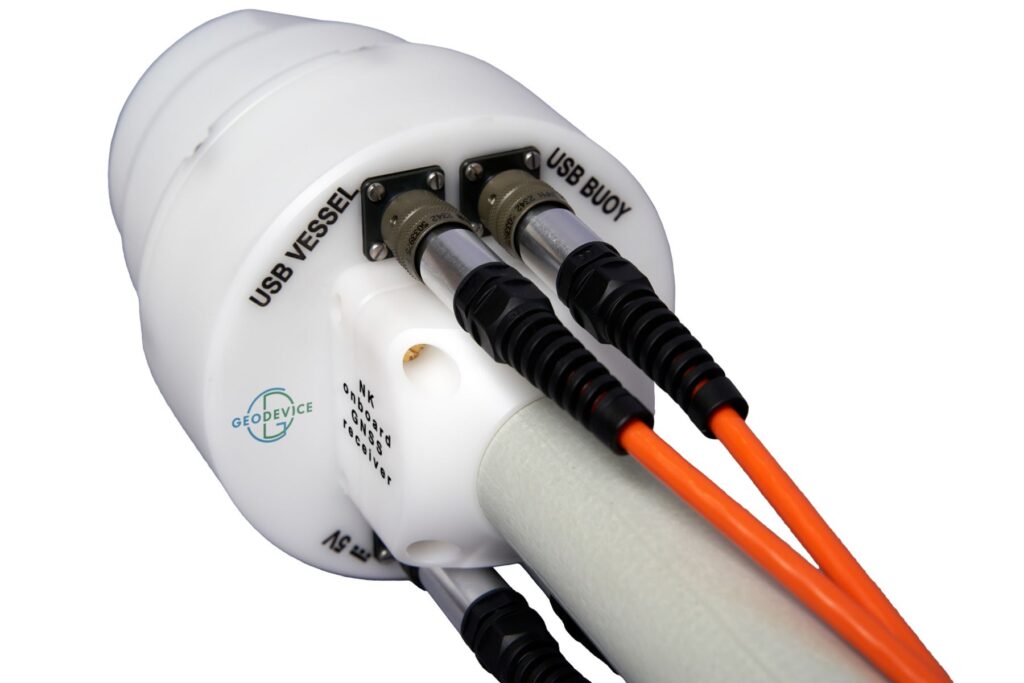
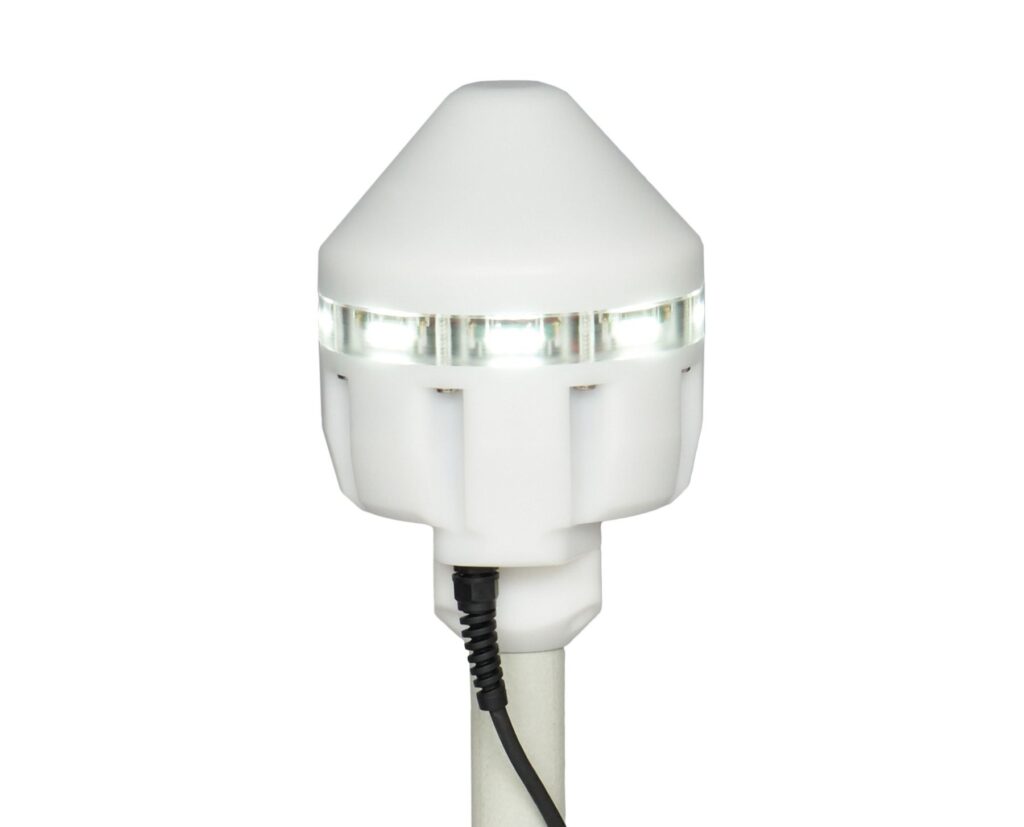
Deck winch DW
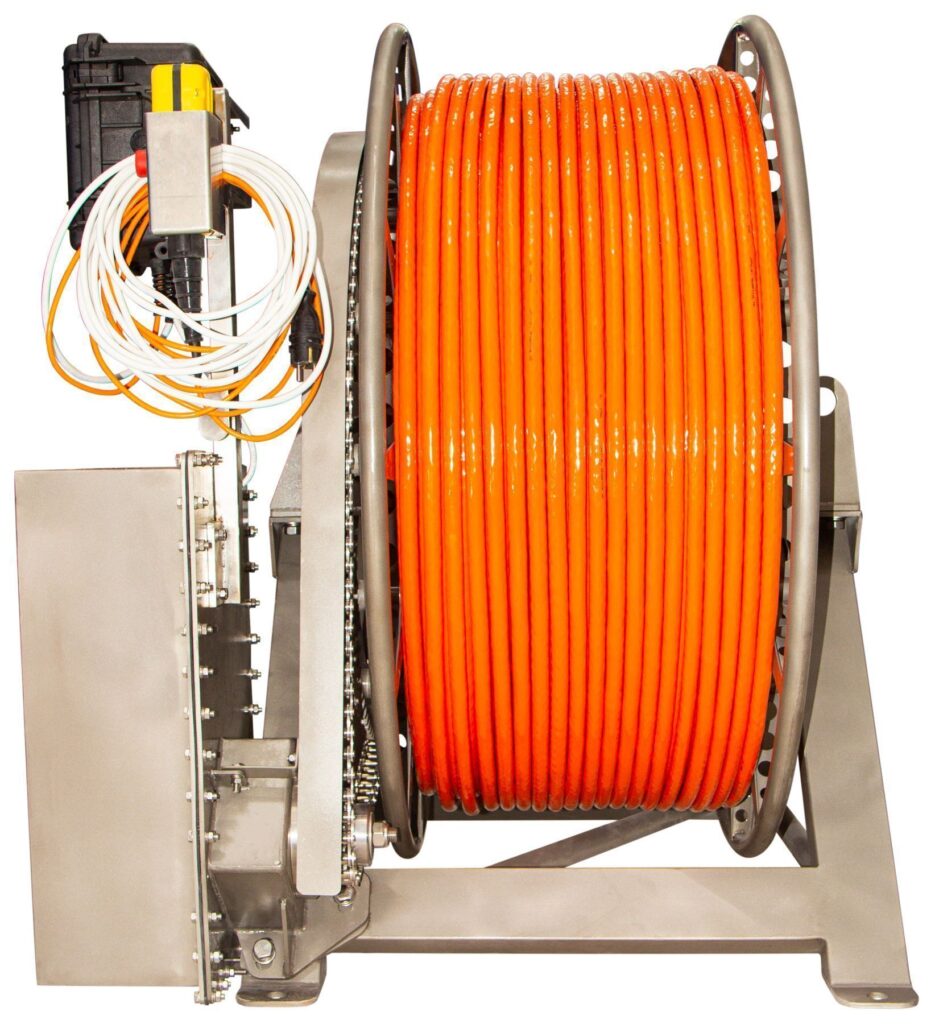
- IP-66 protection
- High-voltage slip ring
- Integrated patch panel
- Stainless steel frame and drum
- Manual or electric drive
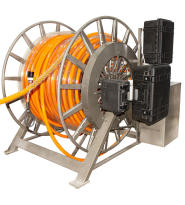
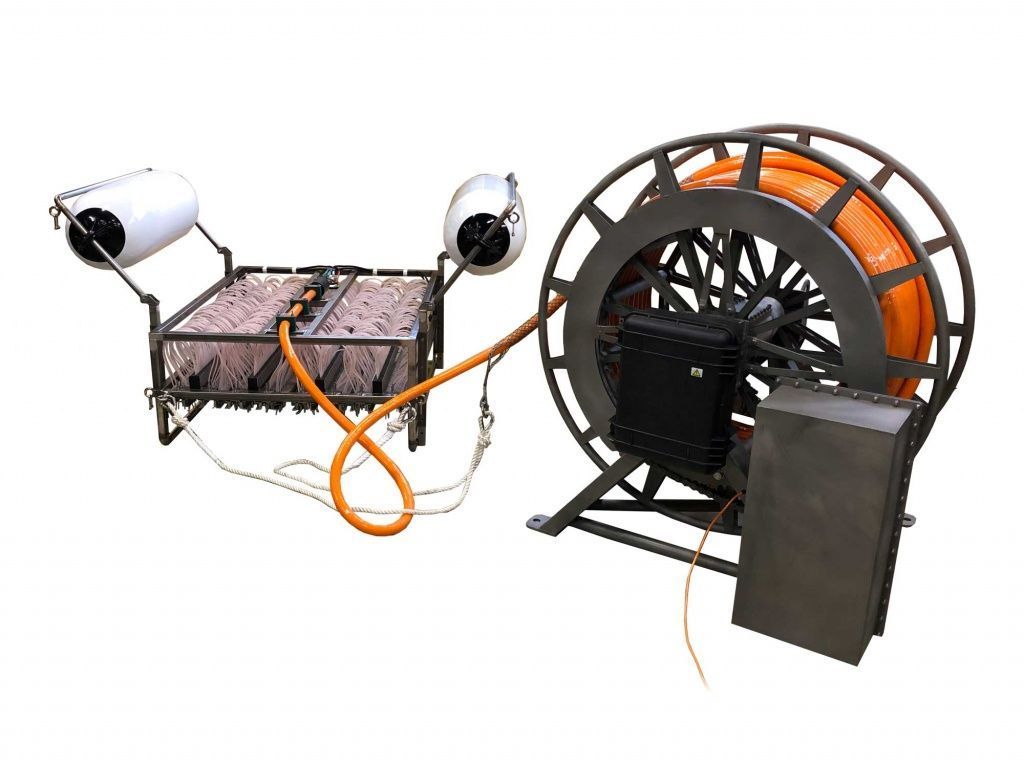
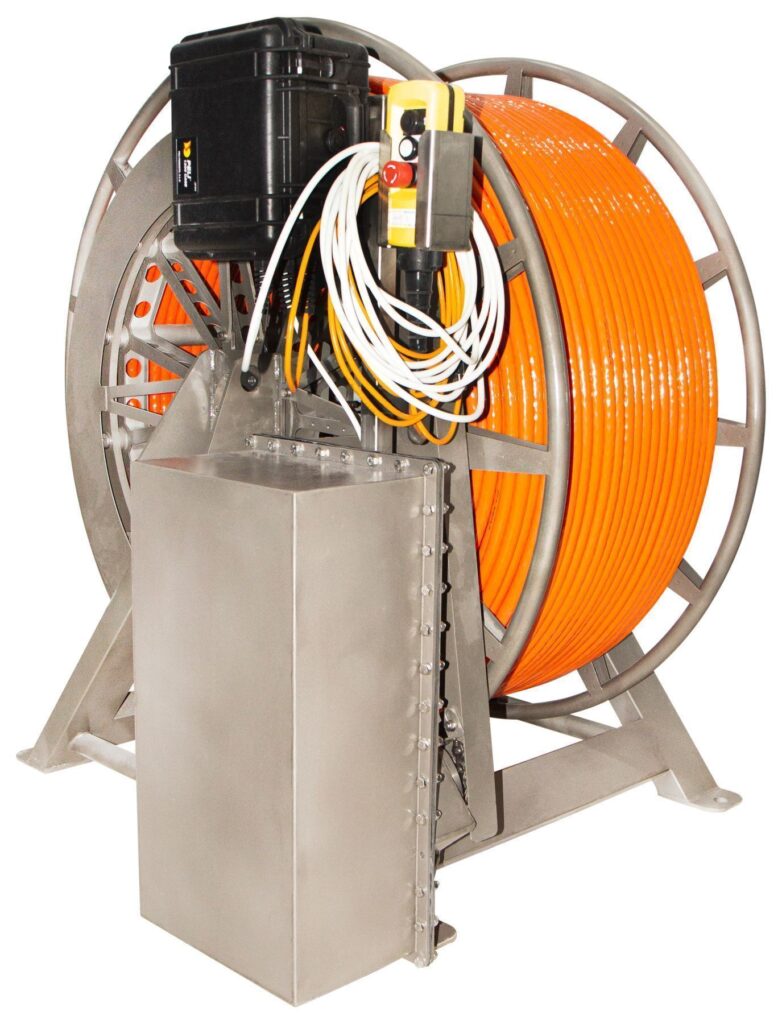
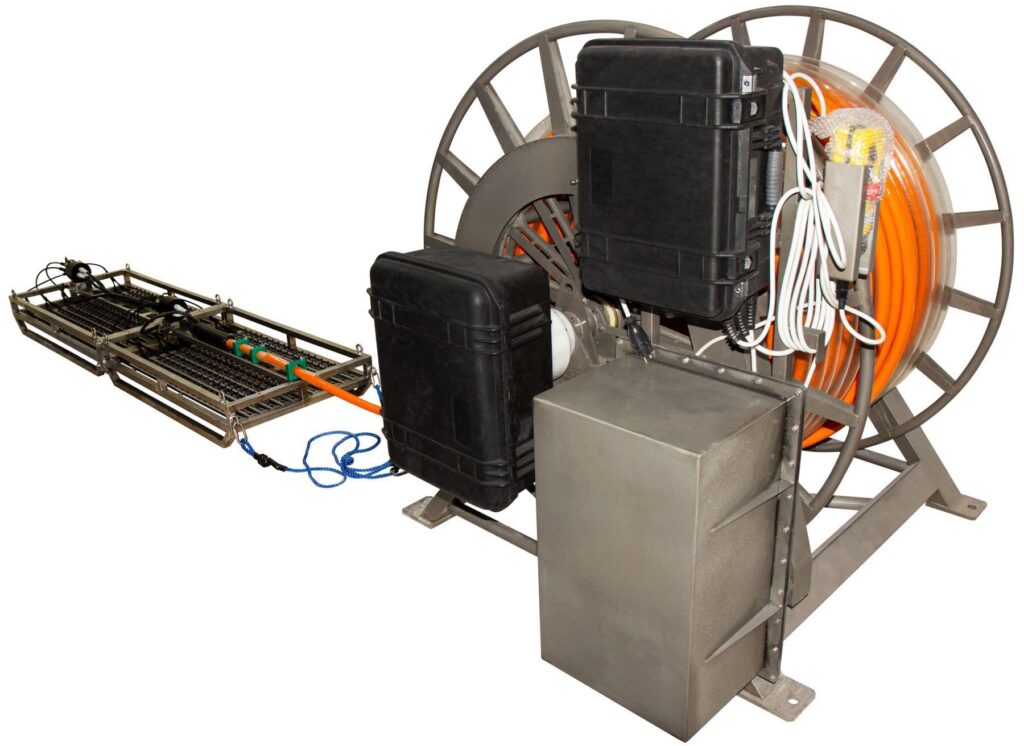
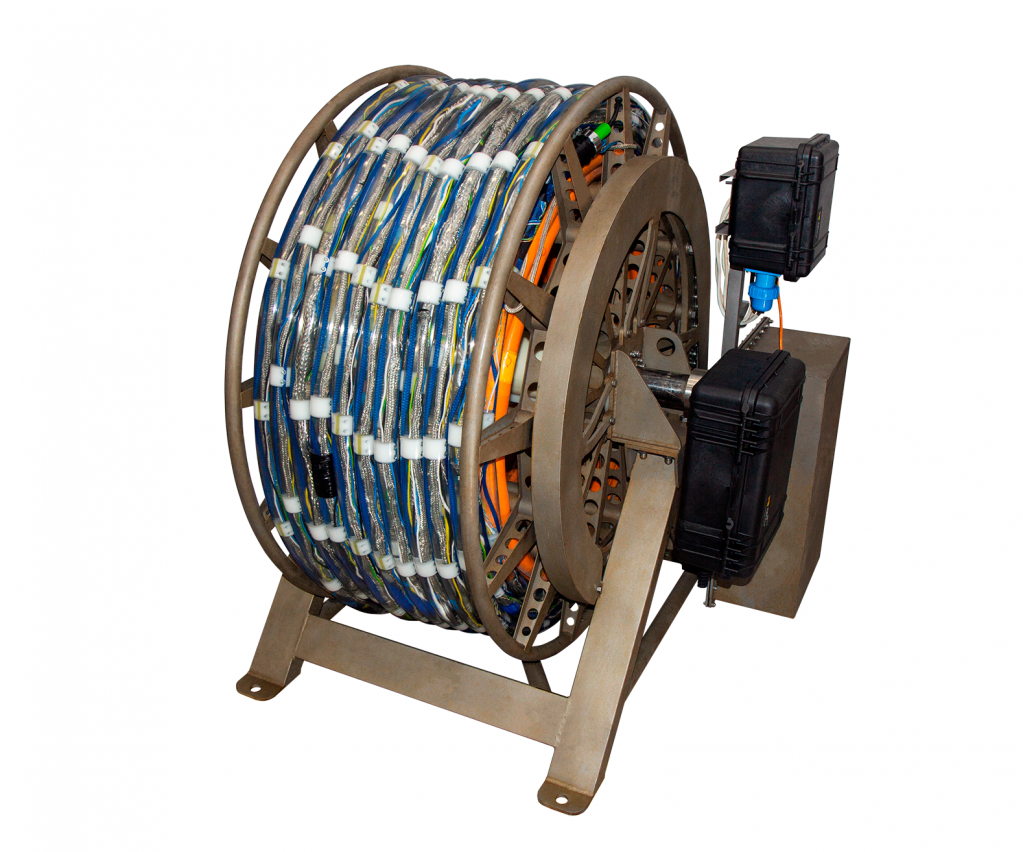
Our deck winches are specifically engineered for use on seismic vessels to handle seismic streamers and high-voltage power cables.
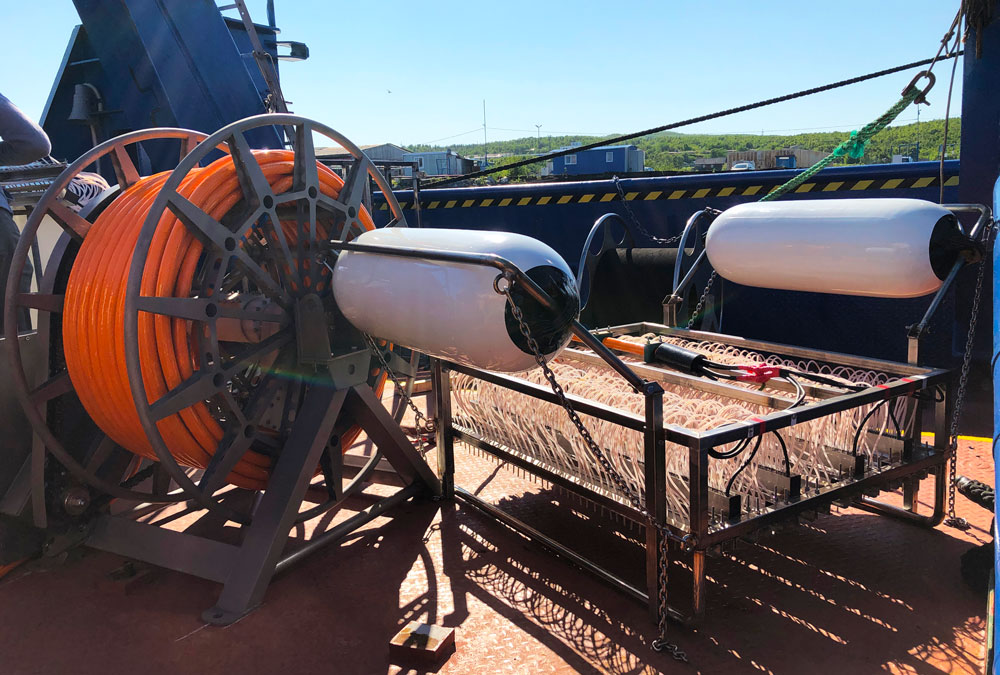
The use of winches significantly speeds up deployment and recovery operations while providing full control over the process. The winches are suitable for both 2D and sophisticated high-resolution and ultra-high-resolution 3D seismic surveys, making them a versatile option for any type of project.
Our motorized winches are ideal for deploying and recovering 48-channel streamers and sparker power cables. Manual reels, on the other hand, are well suited for small vessels. The use of winches and reels greatly improves acquisition efficiency and operational safety. IP-67 protection and high quality materials make winches extremely durable and optimal for rough offshore environments.
All sparker source winches come with a high voltage slip ring to ensure safe and efficient winch operation and an integrated patch panel for easy cable connection and source signature control.
Check our video demonstrating the use of a reel on a seismic vessel:
| Model | DW-250SR | DW-450SR | DW-600SR | DW-300_MariMag |
| Compatible equipment | HRStreamer-1×48/0.5/250m | HRStreamer-24х1/1/75mHRStreamer-24х1/2/75mHRStreamer-24х4/3.125/75mHRStreamer-48×1/1/75mHRStreamer-48×1/1-2/75mHRStreamer-48×1/2/75m | HRStreamer-48×4/3.125/75mHRStreamer-24×4/6.25/100m | MariMag tow cable:- 450 m of floating cable |
| Materials | stainless steel | |||
| Built-in sealed case | – | |||
| Slipring | low voltage | |||
| Drum pitch diameter, mm | 500 | 800 | ||
| Drum outer diameter, mm | 1 000 | 1 400 | 1 200 | |
| Drum width, mm | 400 | 450 | 600 | 450 |
| Drive | electric gear motor | |||
| Motor power, W | 1 100 | |||
| Power supply | 220 or 380 VAC 50/60 Hz | |||
| Weight without cable, kg | 200 | 290 | 300 | 220 |
| Dimensions, mm | 1100×985×980 | 1440×1470×1180 | 1440×1470×1330 | 1200×1270×1125 |
| Protection | IP 67 | |||
| Model | DW-300HV | DW-600HV | DW-800HV | |
| Compatible equipment | sparker/boomer tow cable:- 1×50/50m- 1×50/75m- 1×100/50m- 4×11/50m- 4×11/75m | sparker/boomer tow cable:- 1×100/75m- 1×100/100m | sparker/boomer tow cable:- 6×16/75m | |
| Materials | stainless steel | |||
| Built-in sealed case | with patch panel | |||
| Slipring | high voltage | |||
| Drum pitch diameter, mm | 800 | |||
| Drum outer diameter, mm | 1 200 | 1 400 | ||
| Drum width, mm | 450 | 600 | 800 | |
| Drive | electric gear motor | |||
| Motor power, W | 1 100 | |||
| Power supply | 220 or 380 VAC 50/60 Hz | |||
| Weight without cable, kg | 250 | 330 | 350 | |
| Dimensions, mm | 1200×1270×1125 | 1440×1470×1330 | 1440×1470×1620 | |
| Protection | IP 67 | |||

Equipment & Software for Geophysical Surveys: Design, Manufacture, Support, Supply
GEODEVICE is a group of specialized companies that develops, manufactures, and supplies
advanced geophysical equipment and software for a wide range of applications, from land-
based surveys to marine and borehole explorations.
The key areas of GEODEVICE developments are high and ultra-high resolution marine seismic,
borehole seismic, land, drone and marine magnetic.
The focus is on a broad range of industries and scientific fields, providing tailored solutions for:
- Geotechnical Monitoring
- Engineering Surveys
- Environmental Surveys
- Archaeological Surveys
- Geophysical Support for Geological Exploration
Let’s Connect
Need assistance? Get in touch with our team.